JournalPlanning
The best time to visit Switzerland for wildlife photography
A month-by-month guide to wildlife photography in Switzerland: what is active in each season, from winter vultures to the autumn rut, and how to choose your dates.
The short answer is that it depends on what you want to photograph. Switzerland has no single wildlife season. Each part of the year has its own subjects, and some of the best are in the months when the fewest visitors come.
This guide goes through the year in two-month steps. For a quick overview, see the seasonal calendar.
January and February: deep winter
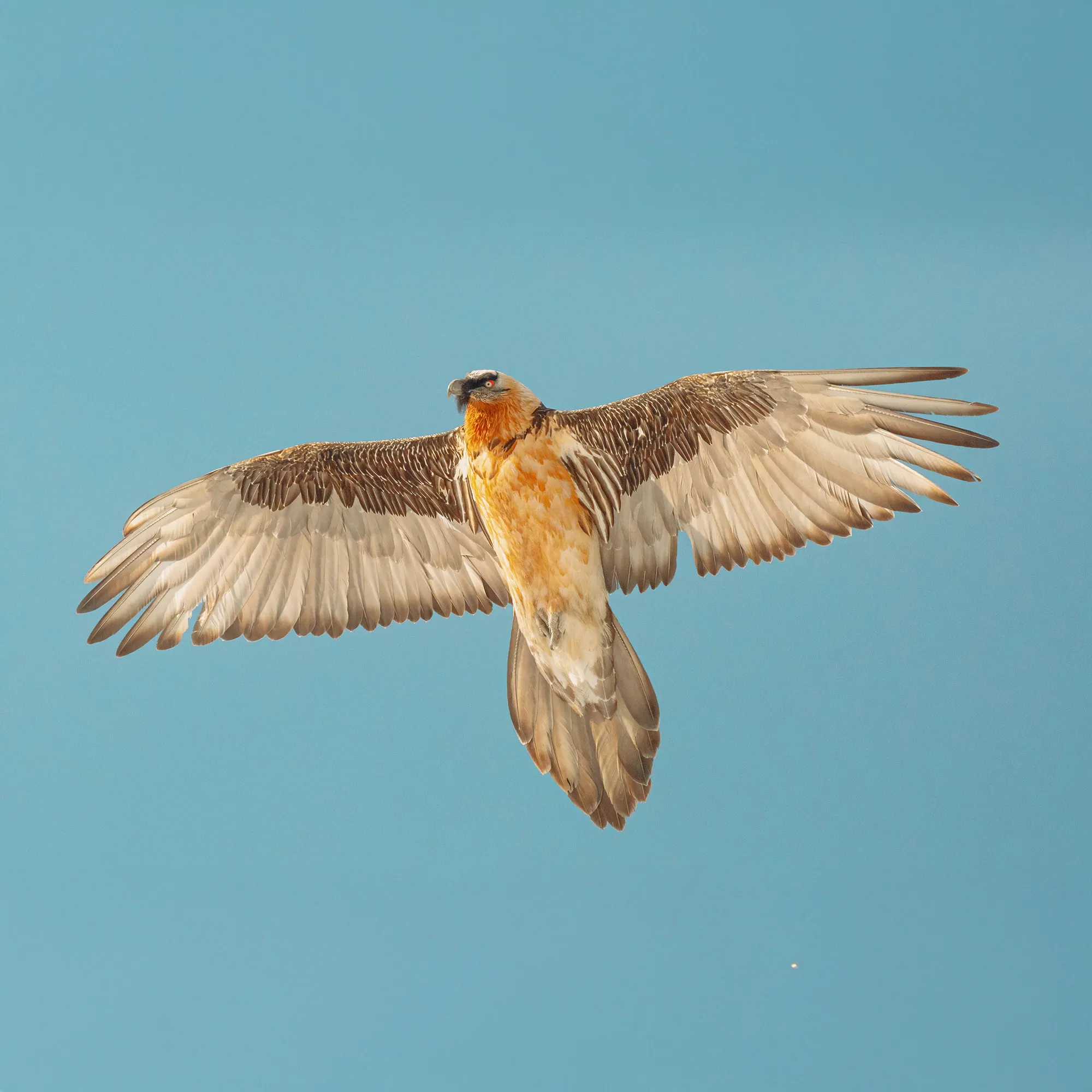
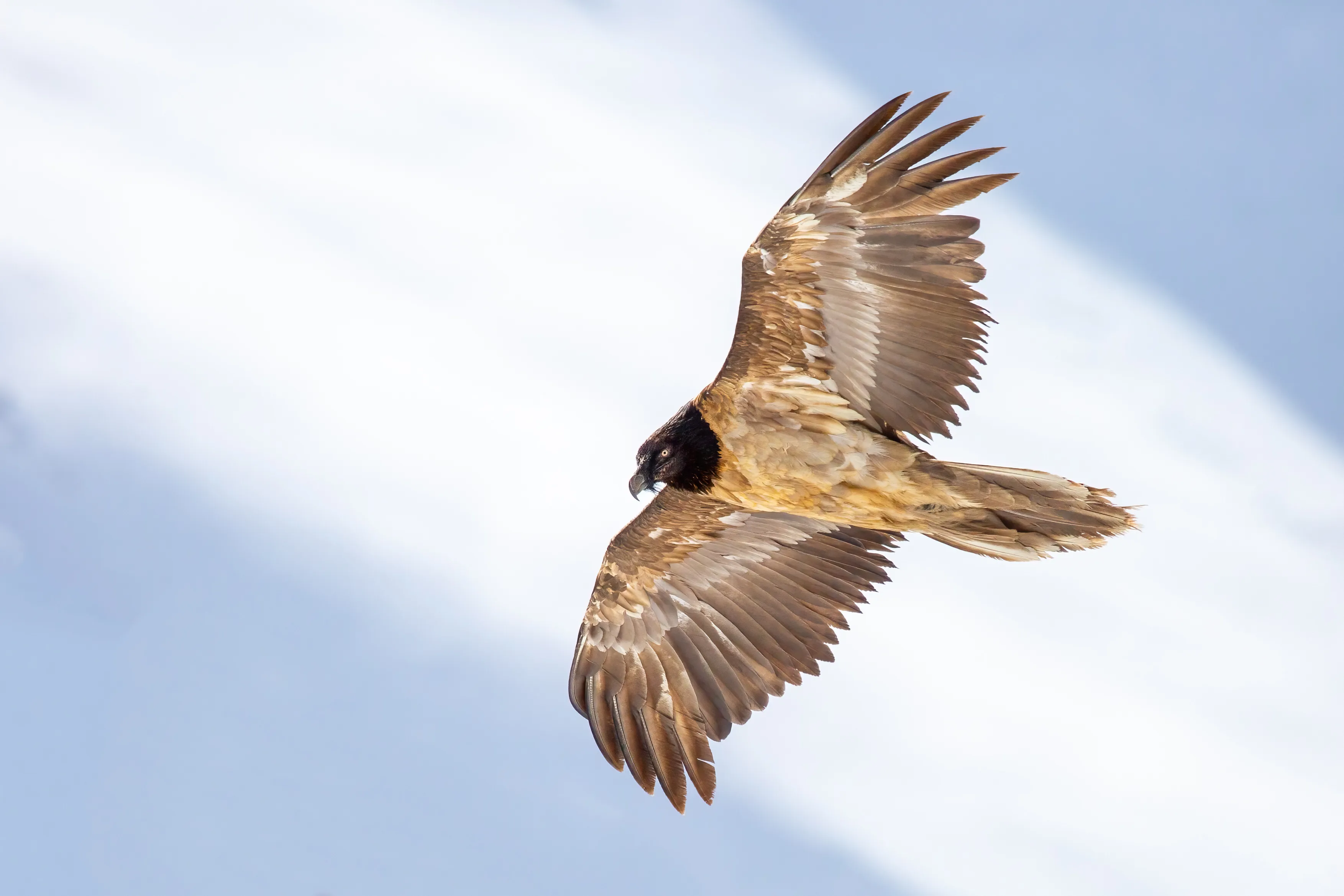
The strongest season for large raptors. Bearded vultures are breeding and hold close to their territories, and golden eagles begin their display flights. Snow lights both from below.
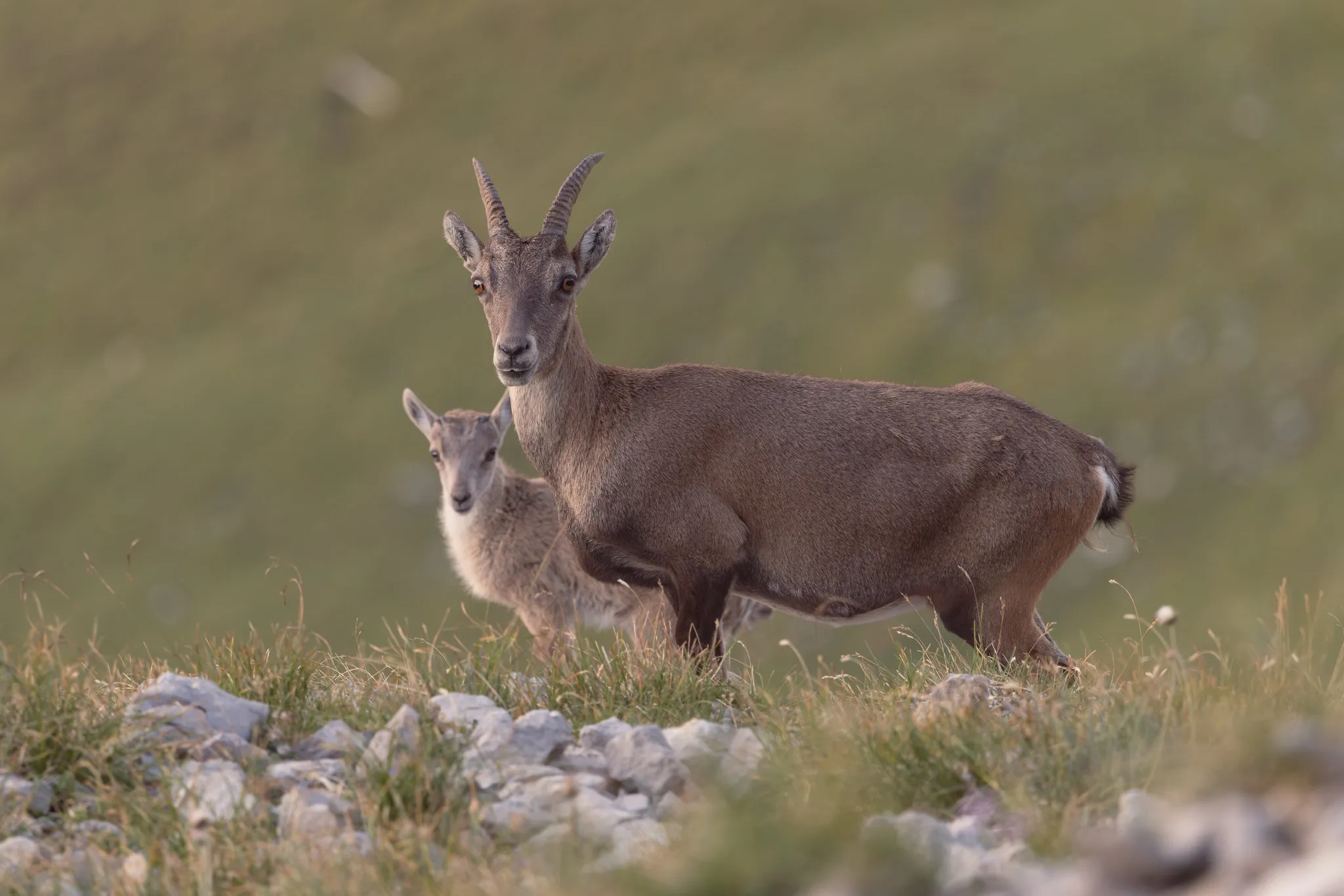
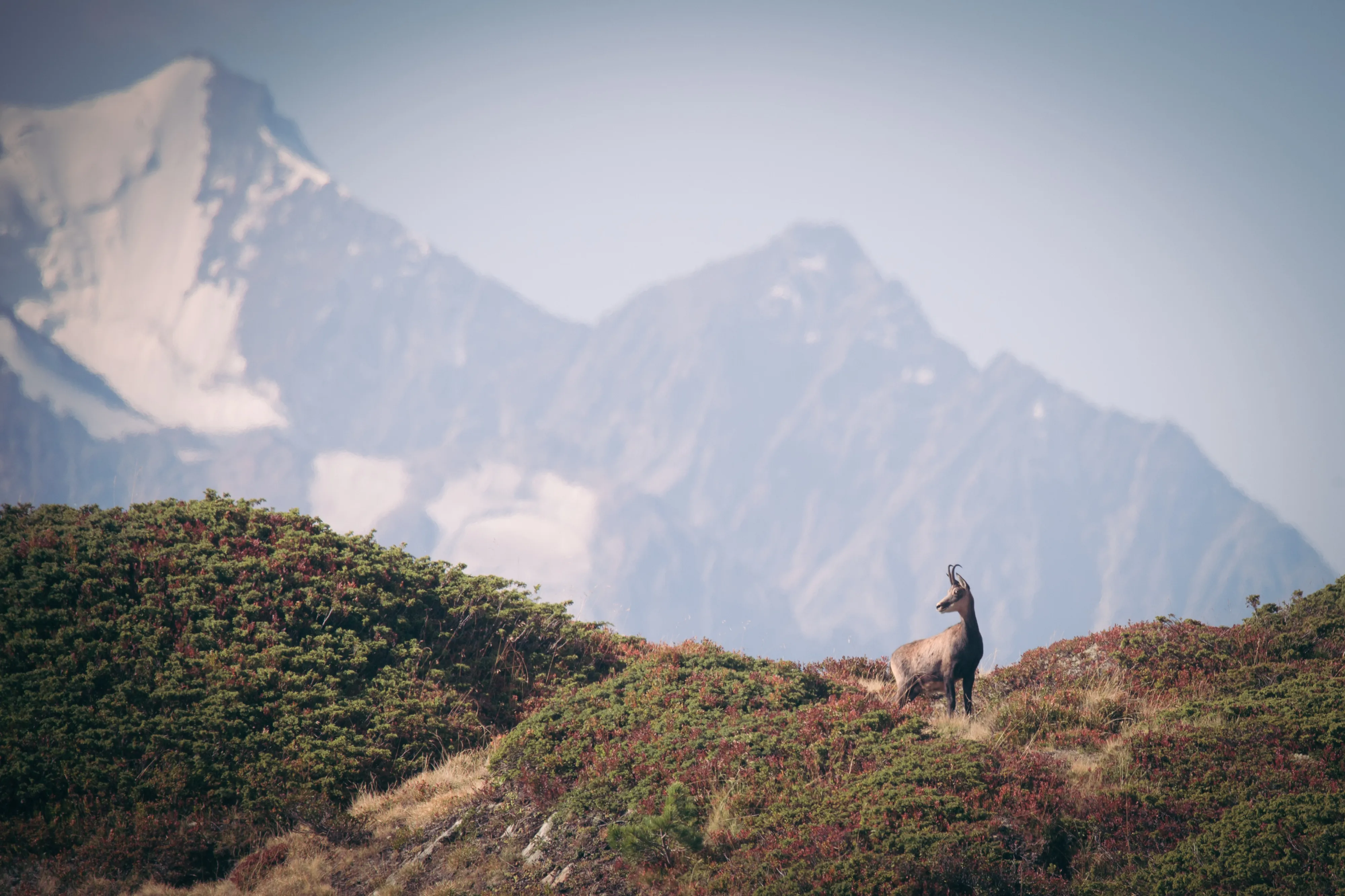
Chamois are in their black winter coats and ibex are down on the lower, sunnier slopes. Around huts and cable-car stations at altitude, alpine accentors and snow finches come close, and crested tits work the snowy spruce forests below.
Good for: birds in flight, clean backgrounds, graphic images. Be ready for: real cold, short days and some limits on access.
March and April: first thaw
Ibex gather on the first snow-free slopes to feed and are often at their most approachable. Red foxes are active in daylight, stoats are changing from white to brown, and migrating raptors pass along the ridges. Black grouse display at first light.
Good for: mammals against patchy snow, behaviour. Be ready for: unsettled weather and mud. Many mountain roads and lifts are still closed.
May and June: new life
The busiest season for young animals. Ibex kids appear on the cliffs, marmots are out of hibernation, and in the lowlands kingfishers are feeding their first broods. Bee-eaters arrive from Africa in May. Meadows are in flower and the days are long.
Good for: variety, family behaviour, colour. Be ready for: early starts. Sunrise is before six.
July and August: high summer
The high Alps are fully open. Bee-eater colonies are at their busiest, marmot young are above ground, and alpine swifts and rock martins fill the air around cliffs. Butterflies and reptiles add subjects for a macro lens.
It is also the best time for the night sky, with mild nights and the Milky Way high after dark.
Good for: high-altitude access, small birds, astrophotography. Be ready for: harsh light in the middle of the day and more people. Shoot at the ends of the day.
September and October: rut and colour
The season with the most atmosphere. Red deer stags roar through late September and early October. Larch forests turn gold, the low slopes turn red, and chamois stand out against both. Mornings bring fog in the valleys and clear air above.
Good for: drama, colour, big mammals. Be ready for: low light at dawn and dusk, when most of the action happens.
November and December: first snow
The quietest months for visitors and the return of the winter subjects. Bearded vultures and eagles are back over the snow, ibex are rutting, and wallcreepers come down to lower cliffs. Long, dark nights suit winter landscapes and night skies.
Good for: raptors, low sun all day, solitude. Be ready for: short days and fast-changing mountain weather.
How to choose
- You have a species in mind. Let the animal set the dates. A week either side of the peak can make a large difference.
- You have fixed dates. Tell us when you are coming and we will tell you what is at its best.
- You want the widest variety. May and June.
- You want the most dramatic images. January and February for birds, late September for mammals.
- You want to avoid crowds. November, and January outside the ski resorts.
One piece of advice
Give yourself more than one day. Wildlife does not keep appointments and mountain weather changes by the hour. Two or three days on a single subject will nearly always beat one day each on three.
When you have a rough idea of your dates, send them to us and we will suggest where to spend them.