ToursNeuchâtel Jura
Ibex in Neuchâtel
- Subject
- Alpine ibex Capra ibex
- Region
- Neuchâtel Jura
- Best season
- Year-round, kids from late spring
- Format
- Full day, private
Most people picture ibex on four-thousand-metre faces. Fewer know there is a colony on the limestone cliffs of the Neuchâtel Jura, around the great rock amphitheatre of the Creux du Van. The animals here are settled and unhurried, which makes this the tour for portraits.
With a subject that stays put you can do what flight photography never allows: change your angle, wait for the light to move, and try the same frame three different ways.
The animal
The Alpine ibex came within a few hundred animals of extinction in the nineteenth century. Every ibex in Switzerland today descends from reintroductions that began in the early 1900s. Males carry ridged horns that can reach around a metre; females and young are lighter, quicker and more curious.
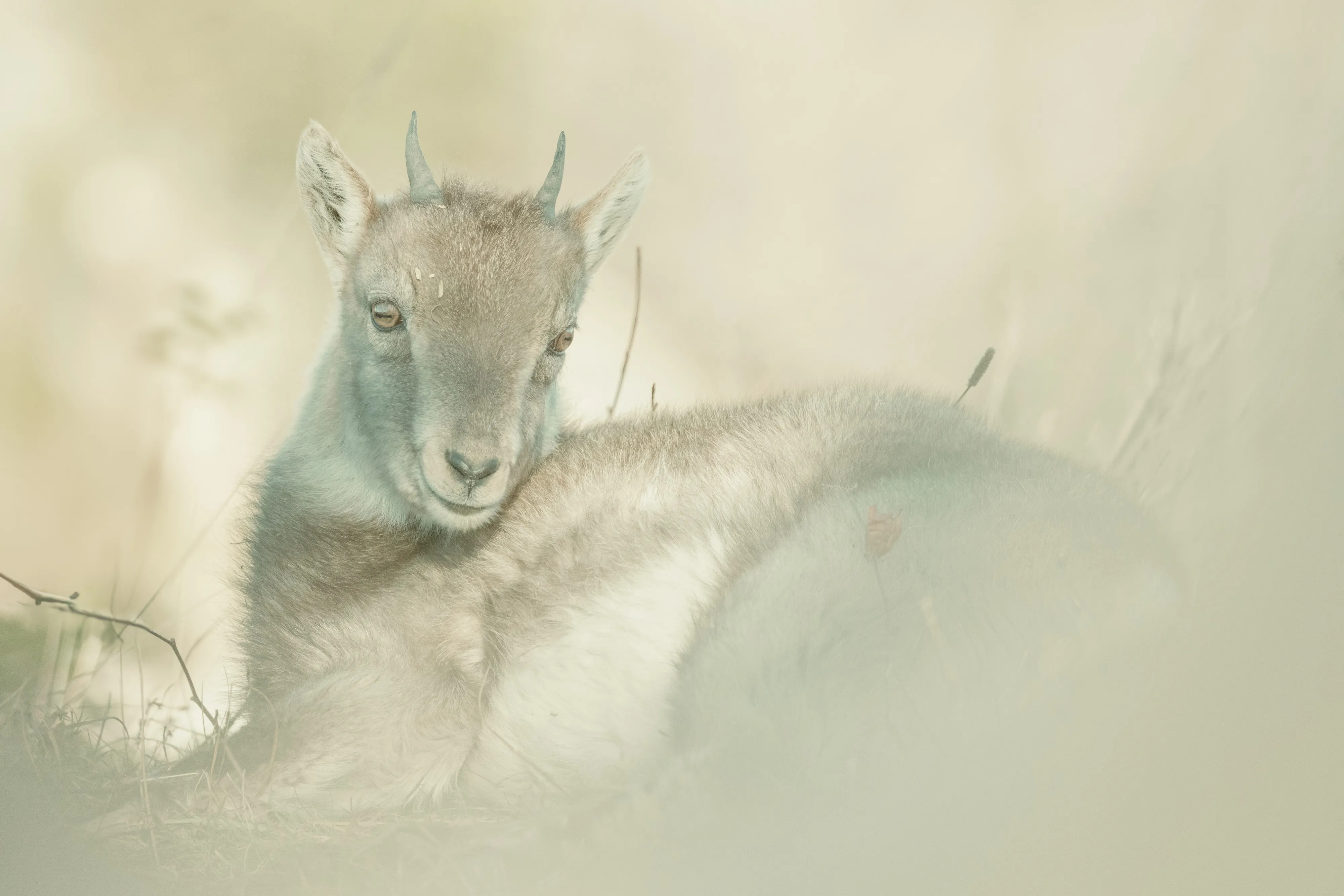
Kids arrive in late spring and spend their first weeks close to the cliffs. Early winter brings the rut, when the big males are at their most active.
The photography
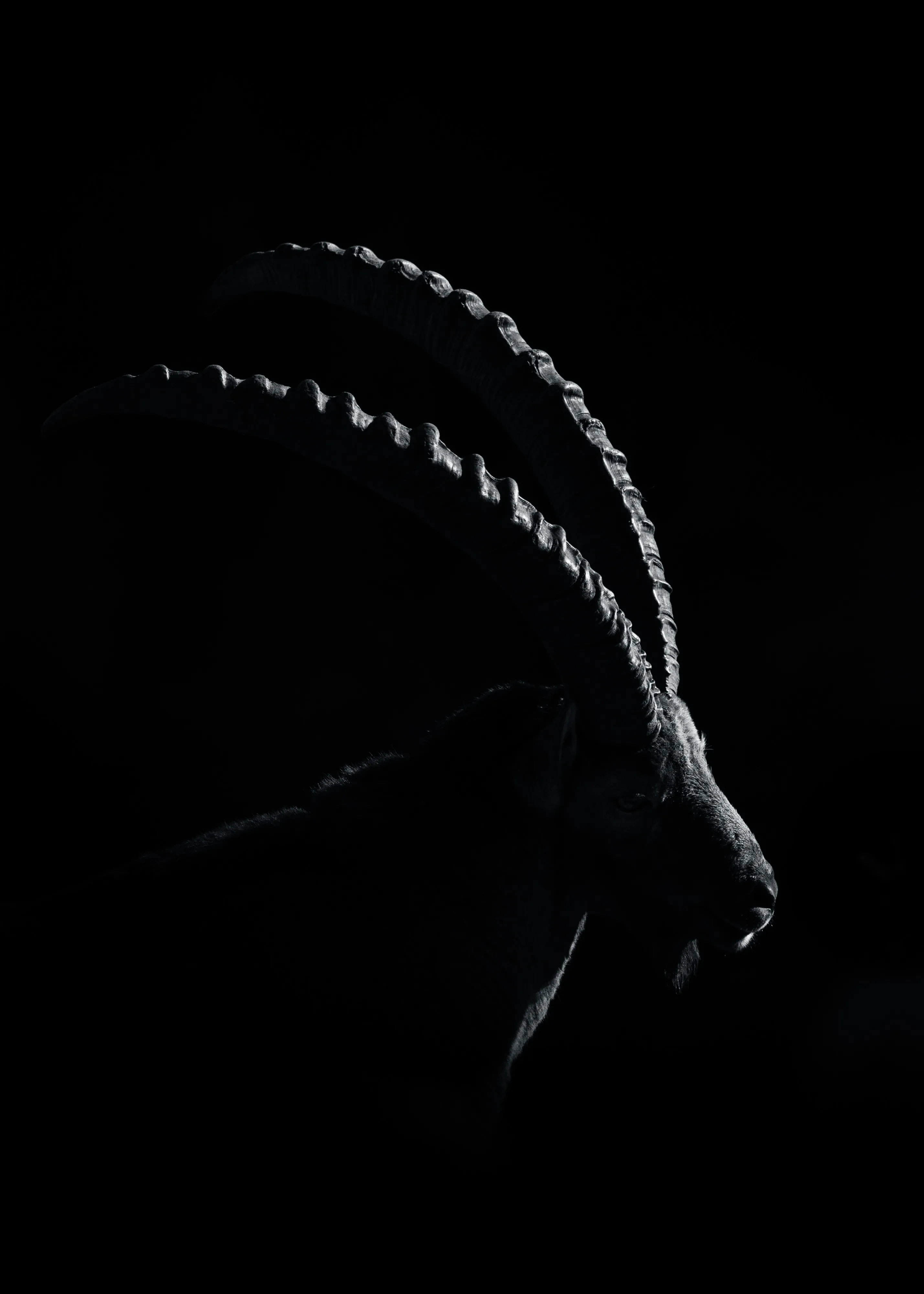
We start with clean portraits, then push further: backlight and rim light on the horns, low-key exposures that let the background fall to black, and soft foregrounds shot through grass and haze.
Because the animals tolerate a quiet presence, this is also the best day to learn fieldcraft: how to read posture, how to approach without pressure, and when to stop.
How we work around them
We stay on the animals’ terms. We let them close the distance, we never get between a mother and her kid, and we do not push anything towards the cliff edge. Group size is kept small for that reason.
What we go looking for
- Rim-lit horns against a black background
- Soft, high-key portraits in morning haze
- Kids and family groups in late spring
- Animals on the skyline at the cliff edge
- Wide scenes of the limestone amphitheatre
What to bring
- A 70–200mm and something longer; ibex here suit mid-range lenses
- Sturdy boots for uneven limestone and wet grass
- Layers: the plateau is exposed and the wind is cold in any season
- A wide lens for the landscape
Plan your alpine ibex tour
Tell us when you would like to come and who is coming. We reply with a draft itinerary and exact pricing.
Keep exploring
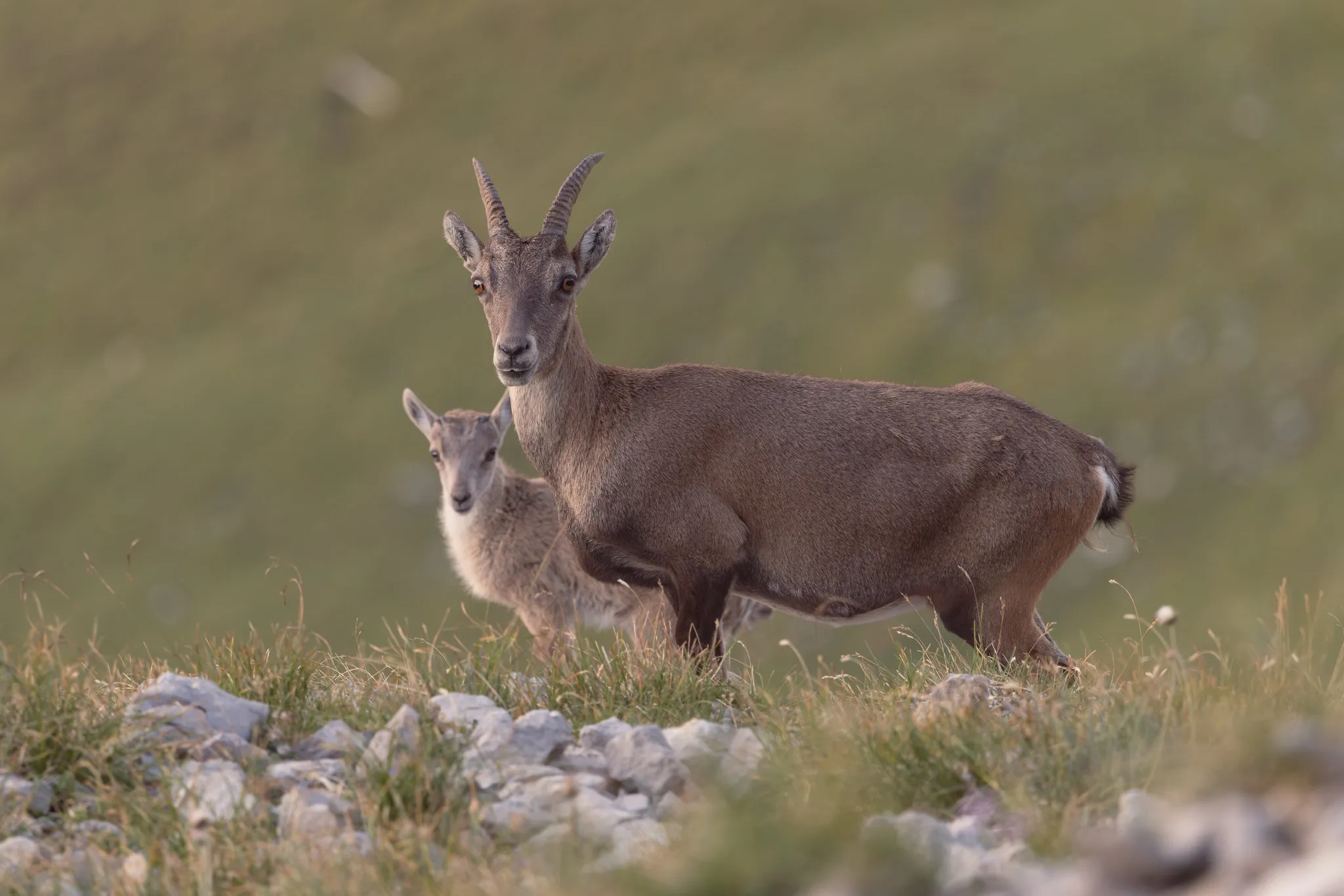
Chamois and Ibex on Pilatus
A wildlife photography day on our home mountain: ibex on the limestone ridges, chamois on the slopes, and Lake Lucerne far below.
From CHF 890
View tour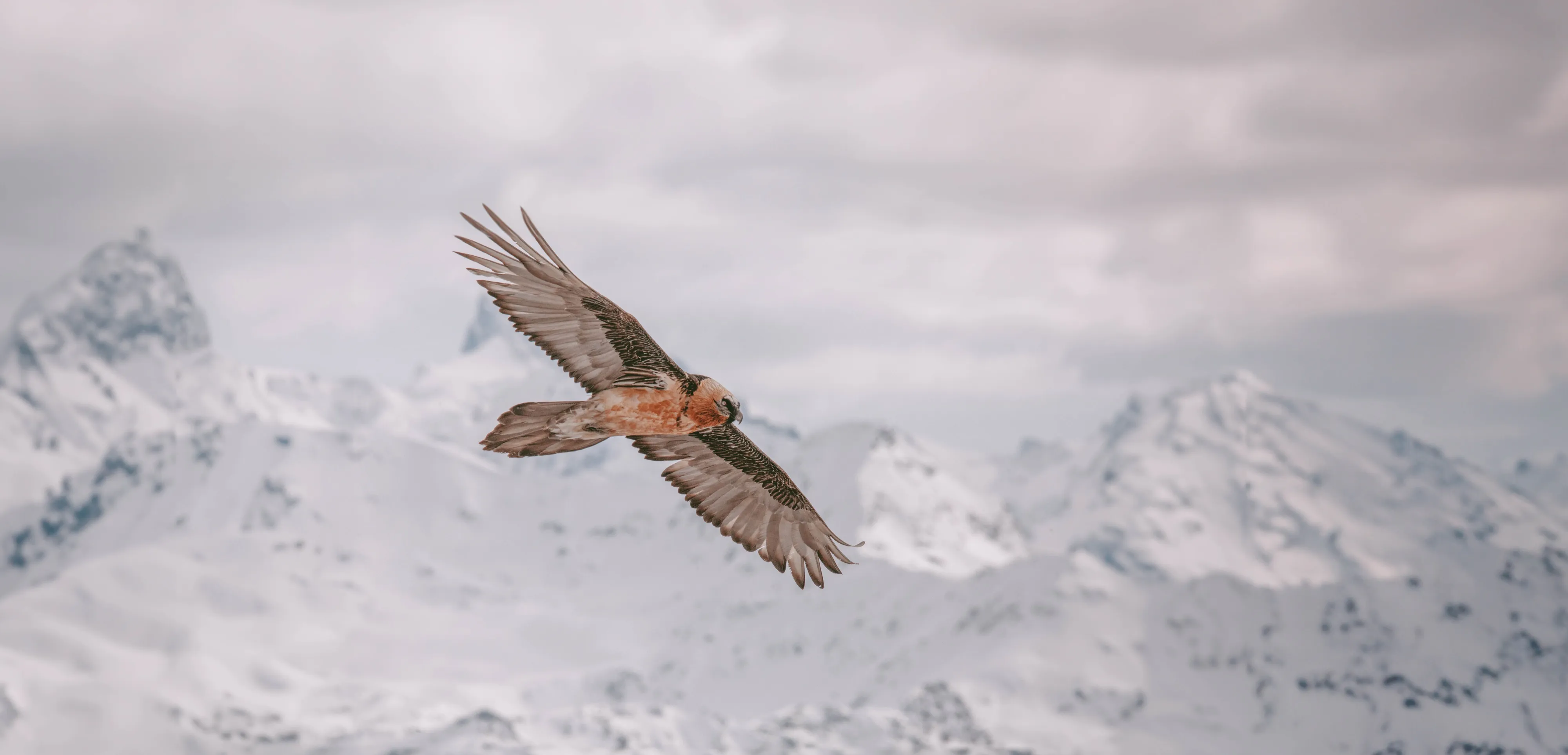
Bearded Vultures in Valais
Eye-level passes from the largest bird in the Alps, against snow, rock and winter light.
From CHF 1’590
View tour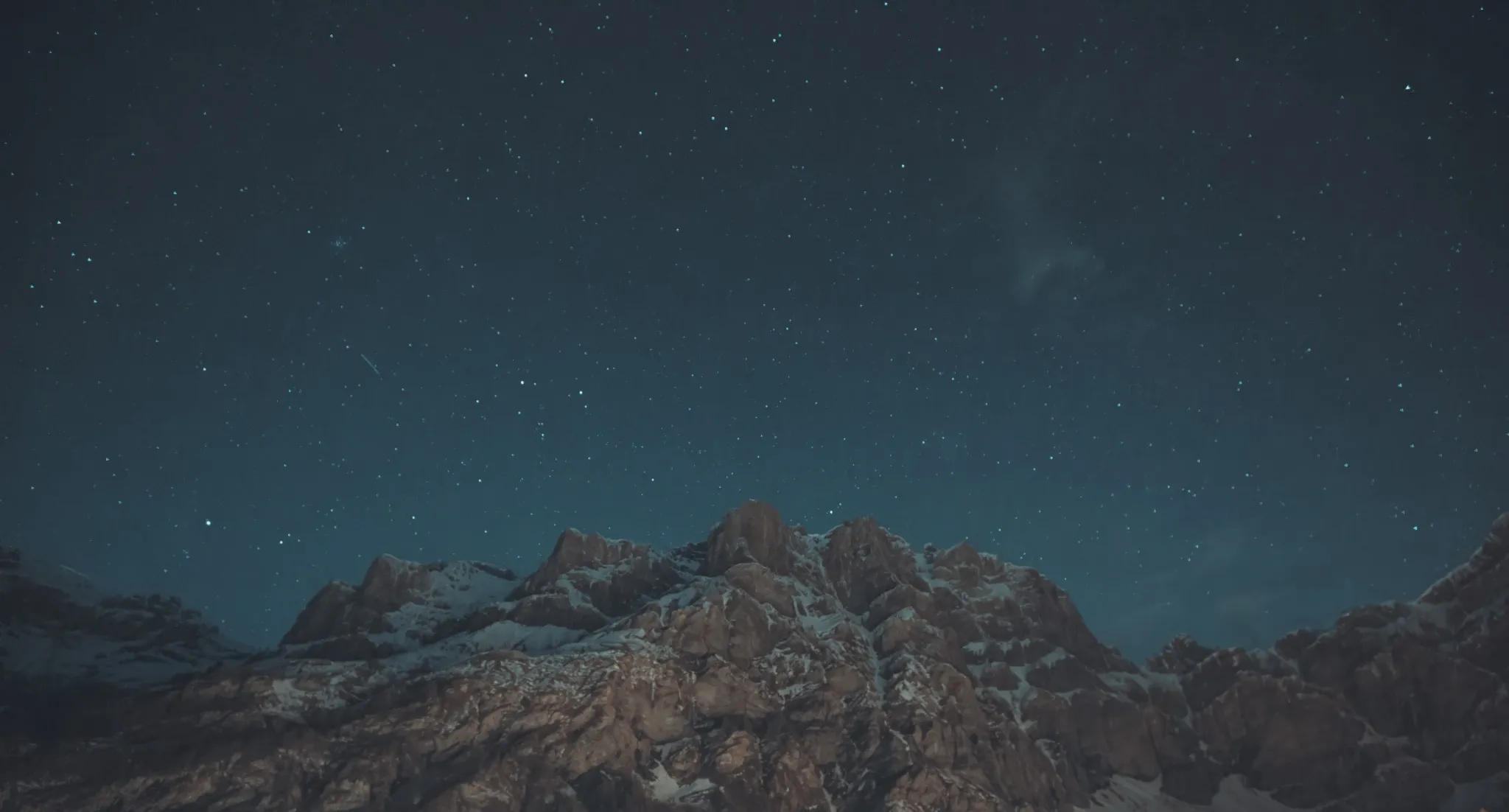
Switzerland’s Best Views
Mountain landscapes from first light to full dark, including the Milky Way over the high peaks.
From CHF 1’490
View tour