ToursPilatus, Lucerne
Chamois and Ibex on Pilatus
- Subject
- Chamois and Alpine ibex
- Region
- Pilatus, Lucerne
- Best season
- Year-round
- Format
- Half day or full day, private
Pilatus rises straight out of Lake Lucerne to more than 2,100 metres, and it is our home mountain. Both of Switzerland’s wild mountain ungulates live on it: ibex on the limestone ridges near the top, chamois across the steep slopes below.
Being local changes what a day here can be. We know the mountain in every season: which ridge holds the light at which hour, where the animals tend to be, and where to go when the cloud comes in.
The mountain
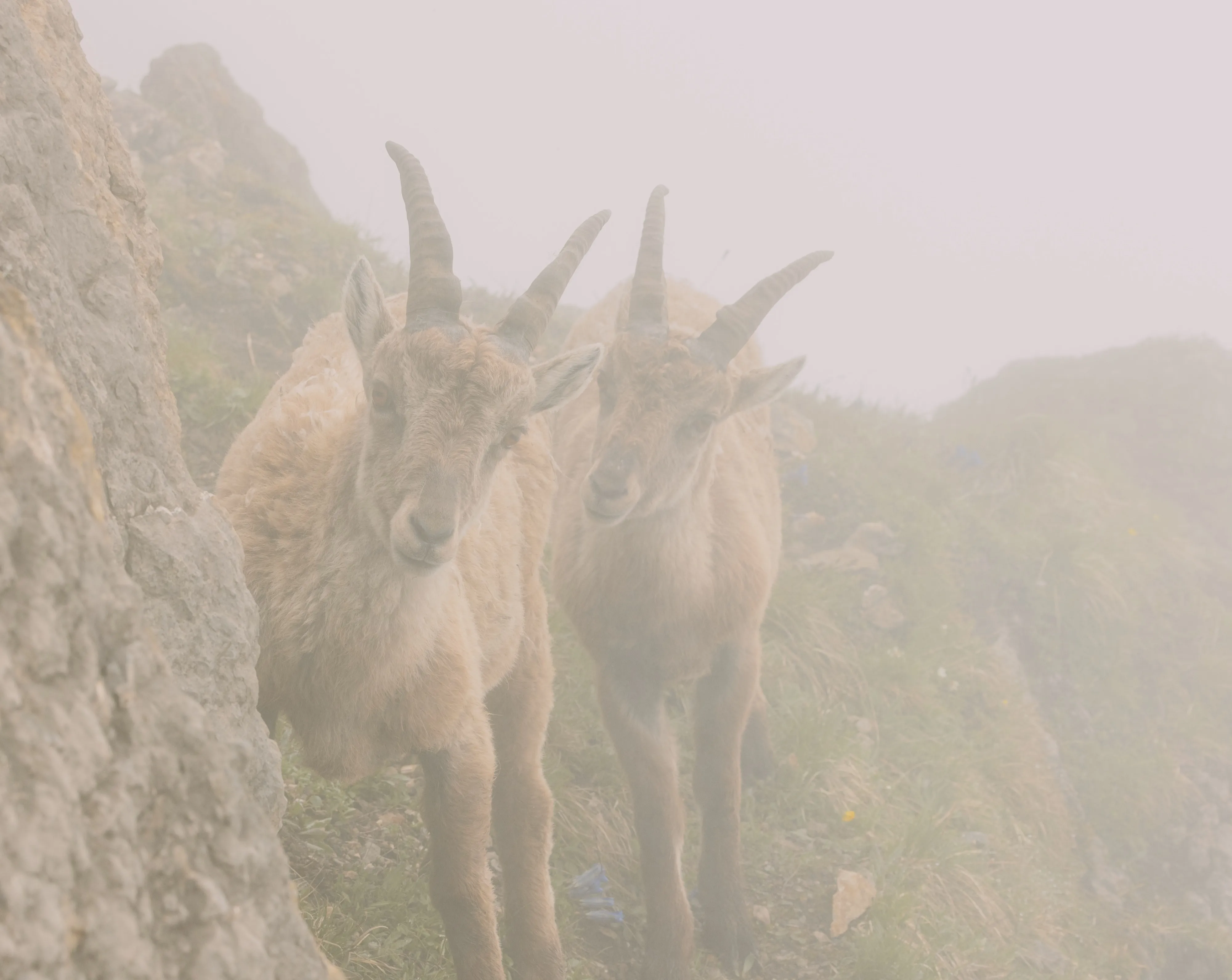
Pilatus is a long limestone ridge with several summits, cliffs on all sides and open views in every direction: Lake Lucerne and the lowlands to the north, the high Alps to the south. In autumn and winter the valleys often fill with fog and the mountain stands above a sea of cloud.
It is also easy to reach. A cableway runs up from Kriens, on the edge of Lucerne, and in the warmer months the cogwheel railway climbs from Alpnachstad. That means more of the day goes on photography and less on the approach.
The animals
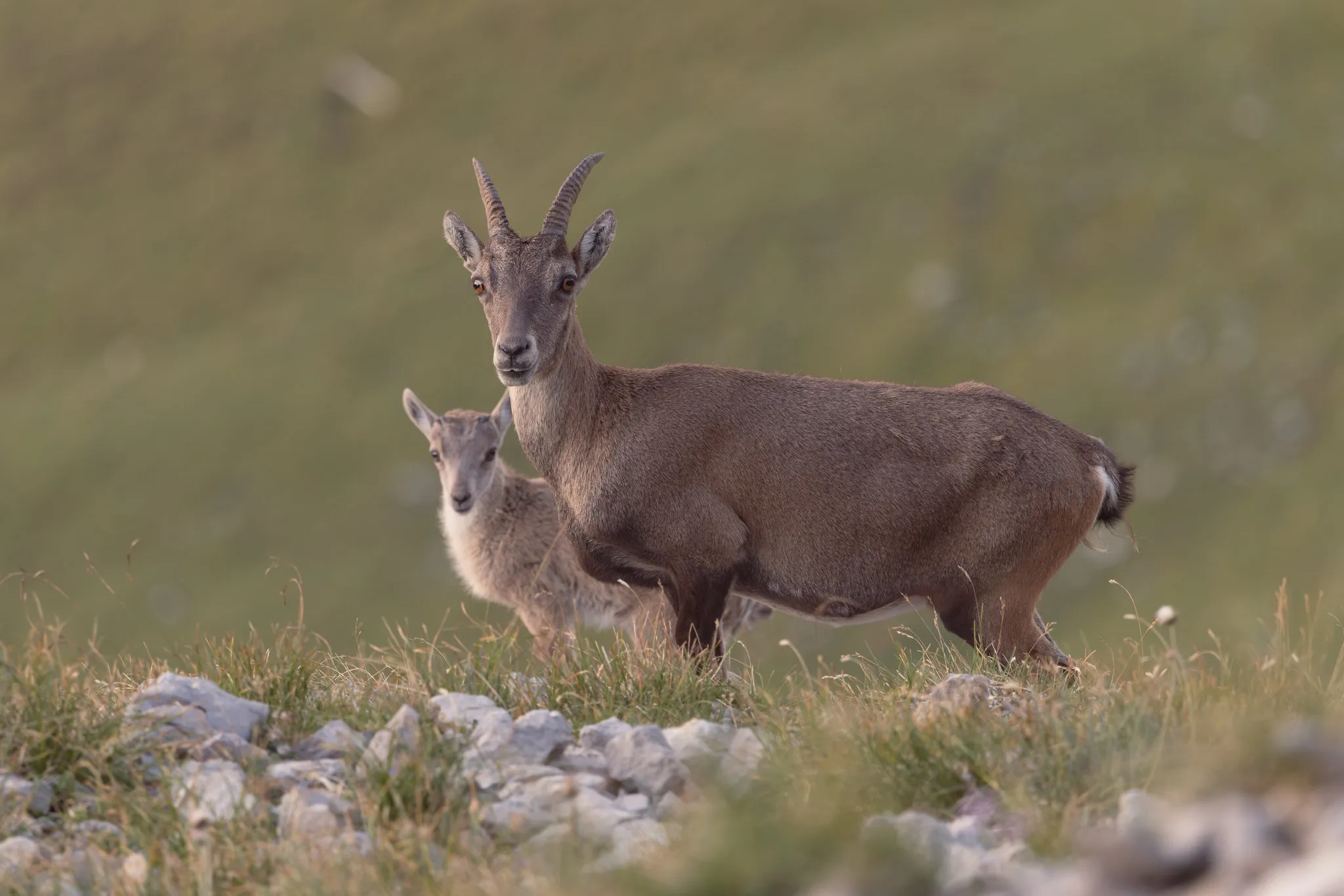
Ibex were brought back to Pilatus in the 1960s and are now well established. They are calm and often tolerant, which makes them the animal for portraits: horns against the sky, rim light, kids with their mothers in early summer.
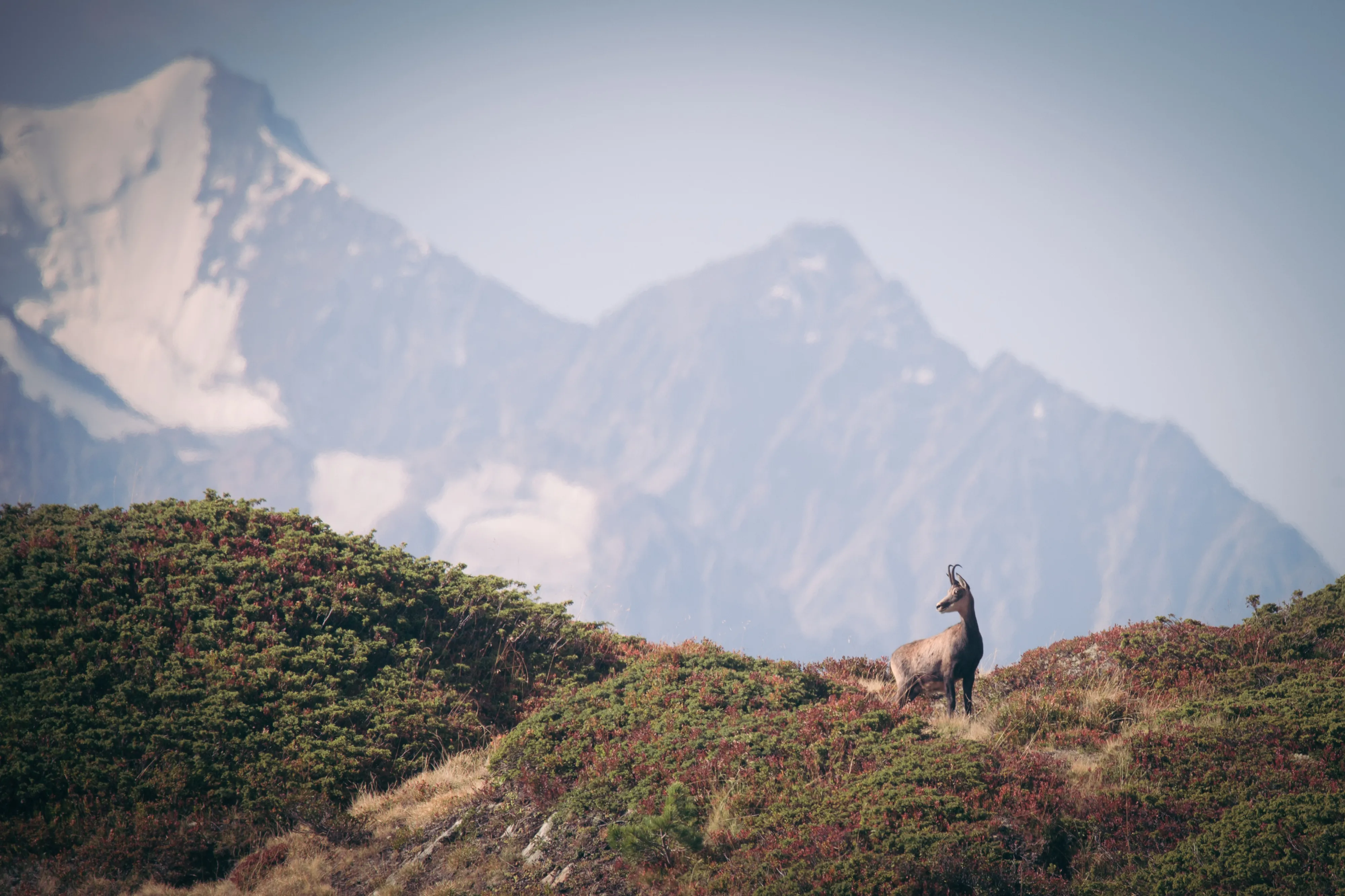
Chamois are warier and quicker. The pictures come from knowing the lines they use across a slope and being in place before they arrive. A chamois on a ridge with layered mountains behind is the classic Pilatus frame.
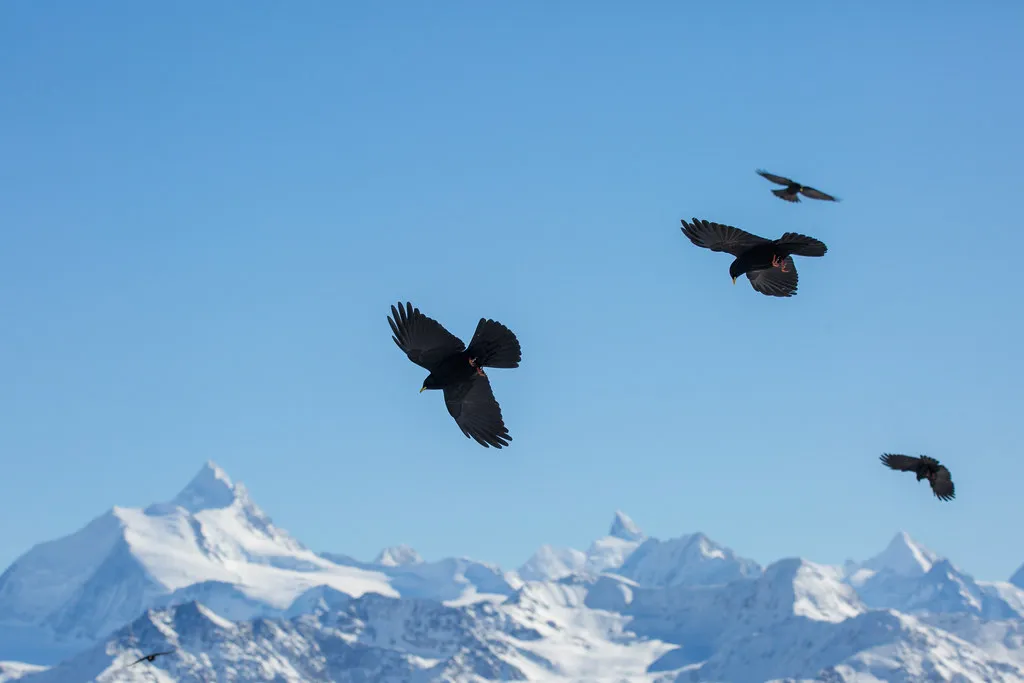
Around them are the birds of the high ground: alpine choughs along the cliffs, alpine accentors among the rocks, and now and then a golden eagle overhead.
The photography
With ibex we slow down and work on the picture: angle, background, foreground, light. With chamois we work on anticipation, tracking and using the terrain for depth and scale.
The day is paced for your level. Beginners get the foundations of exposure, focus and fieldcraft. Experienced photographers get help with the harder things: backlight, low-key portraits and animals small in a big landscape.
Through the year
Early summer brings ibex kids and green slopes. Autumn brings colour, fog in the valleys and chamois at their most active. In winter the chamois are almost black against the snow and the ibex are rutting.
Snow limits where it is safe to go in winter, so we plan each day around the conditions.
How we work around them
We let the animals set the distance. We never get between a mother and her kid, we do not push anything towards a cliff edge, and in winter, when every sprint costs energy an animal cannot spare, we give them more room still.
What we go looking for
- Ibex portraits with horns against the sky
- Kids and family groups in early summer
- Chamois on the skyline with layered peaks behind
- Animals above a sea of fog
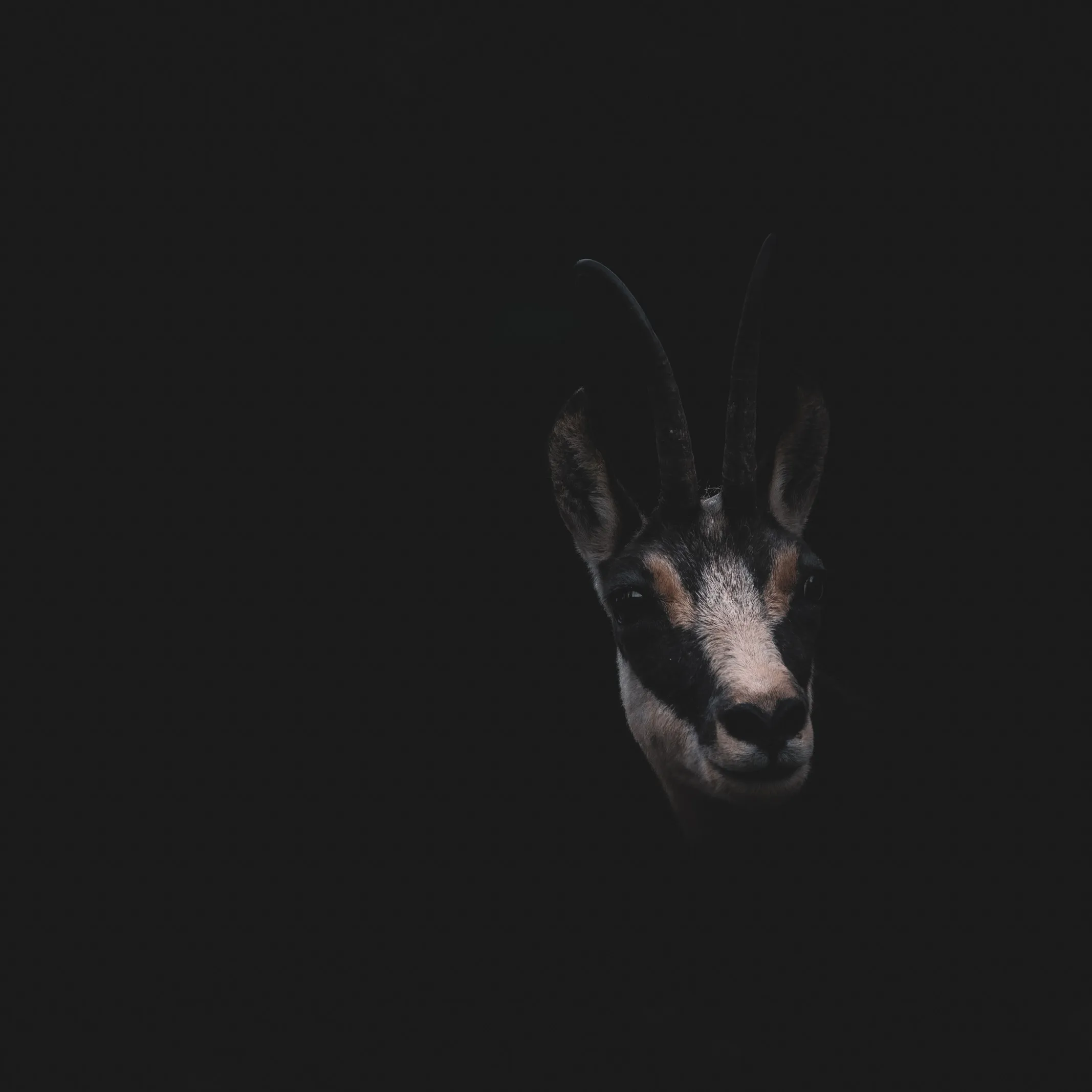
- Low-key and rim-lit portraits
- Alpine choughs and other mountain birds
What to bring
- A 100–400mm zoom covers most of the day; bring something wider for animals in the landscape
- Sturdy boots with good grip; the ground is steep and rocky
- Warm, windproof layers in every season
- Spare batteries and plenty of card space
- First and last light are best: tell us if you would like to plan around an overnight stay on the mountain
Plan your chamois and alpine ibex tour
Tell us when you would like to come and who is coming. We reply with a draft itinerary and exact pricing.
Read before you come
Wildlife photography on Pilatus: what you can see and when to go
A photographer’s guide to Mount Pilatus above Lucerne: ibex, chamois and alpine birds, the best light and seasons, how to get up there, and what to bring.
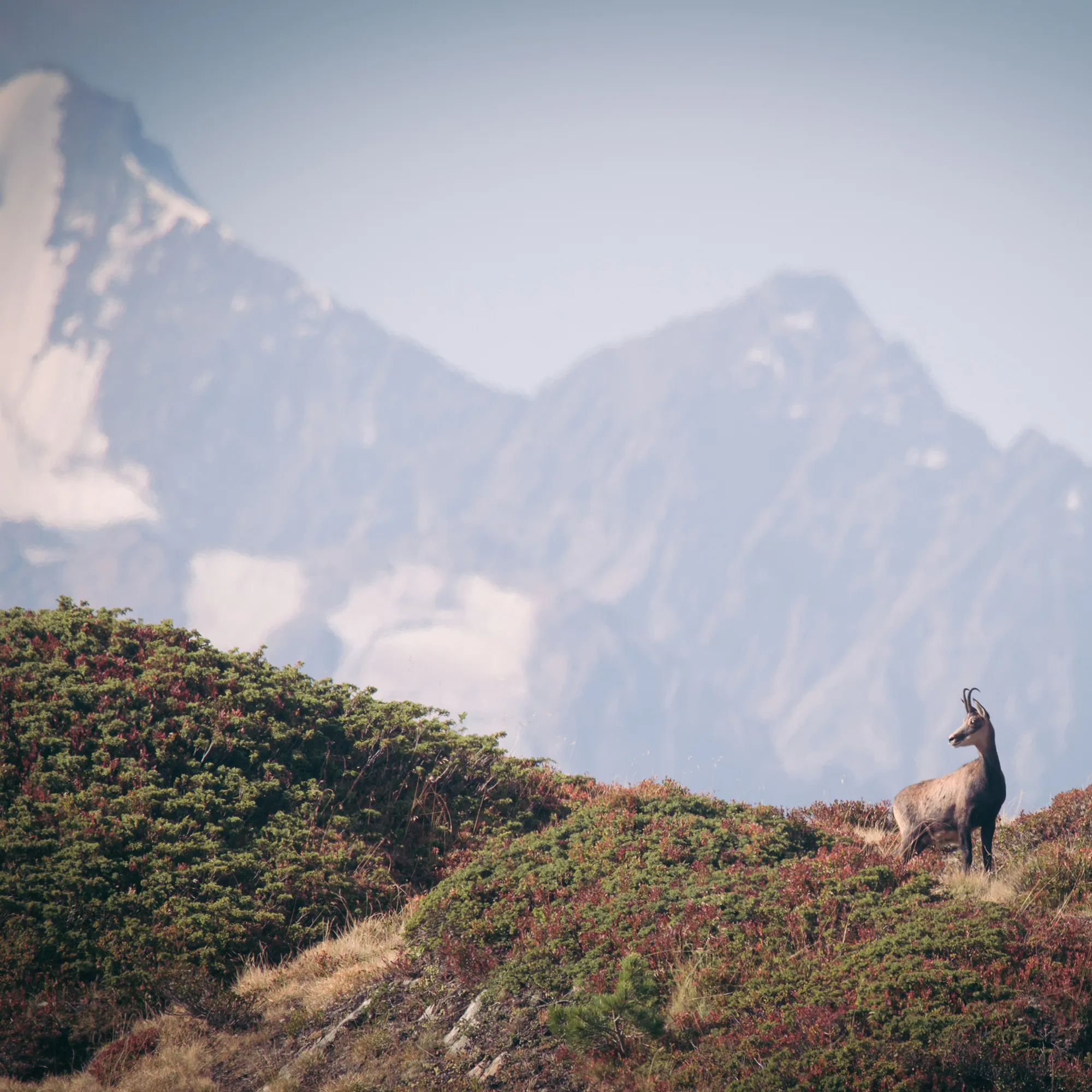
Chamois or ibex? How to tell them apart, and where to photograph each
The two wild mountain goats of the Swiss Alps are easy to confuse at a distance. Horns, face, size and behaviour: a quick field guide for photographers.
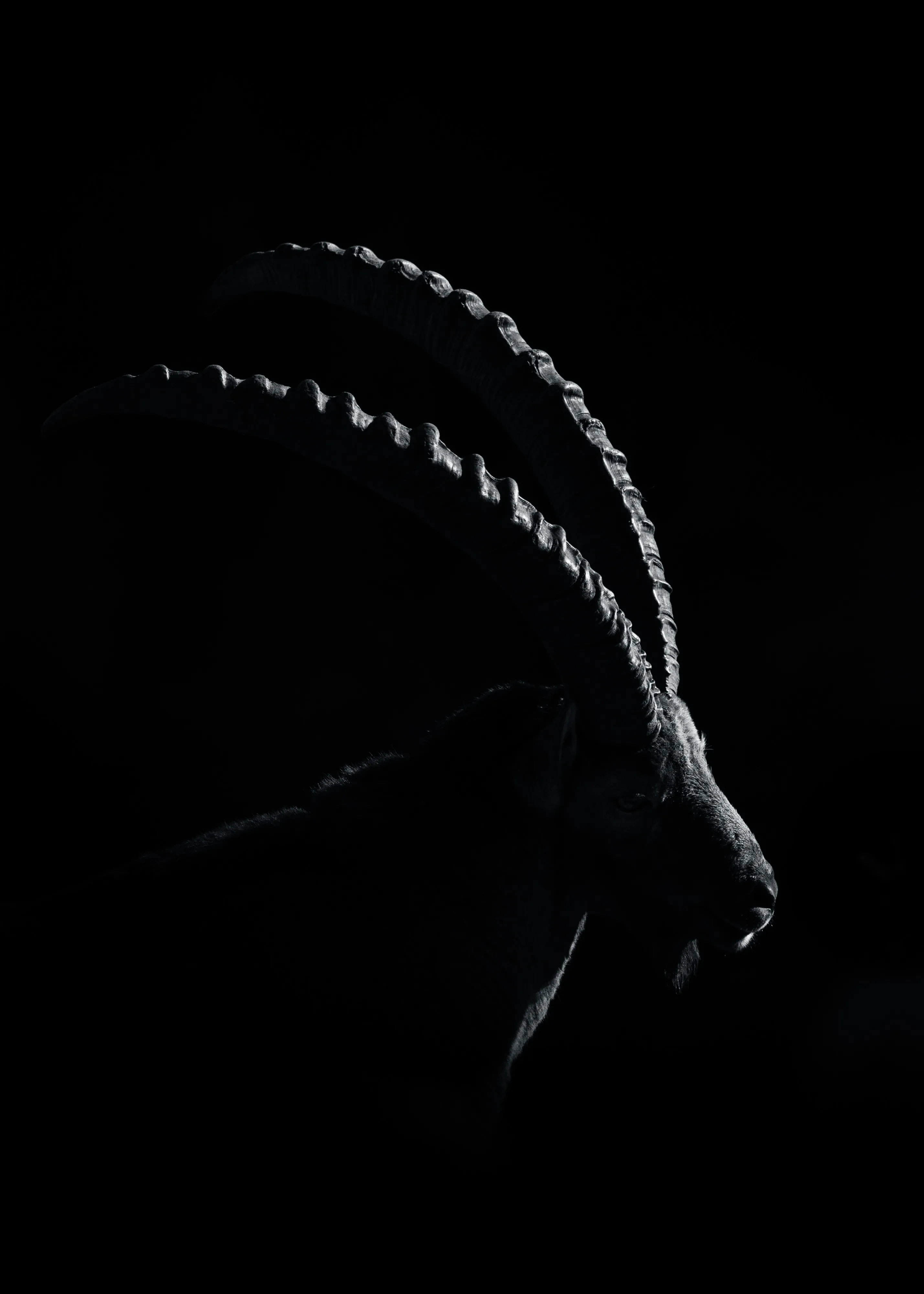
Low-key wildlife portraits: black backgrounds in daylight
How to photograph wildlife against a pure black background without flash or a studio: finding the light, exposing for the highlights, and finishing the edit.
Keep exploring
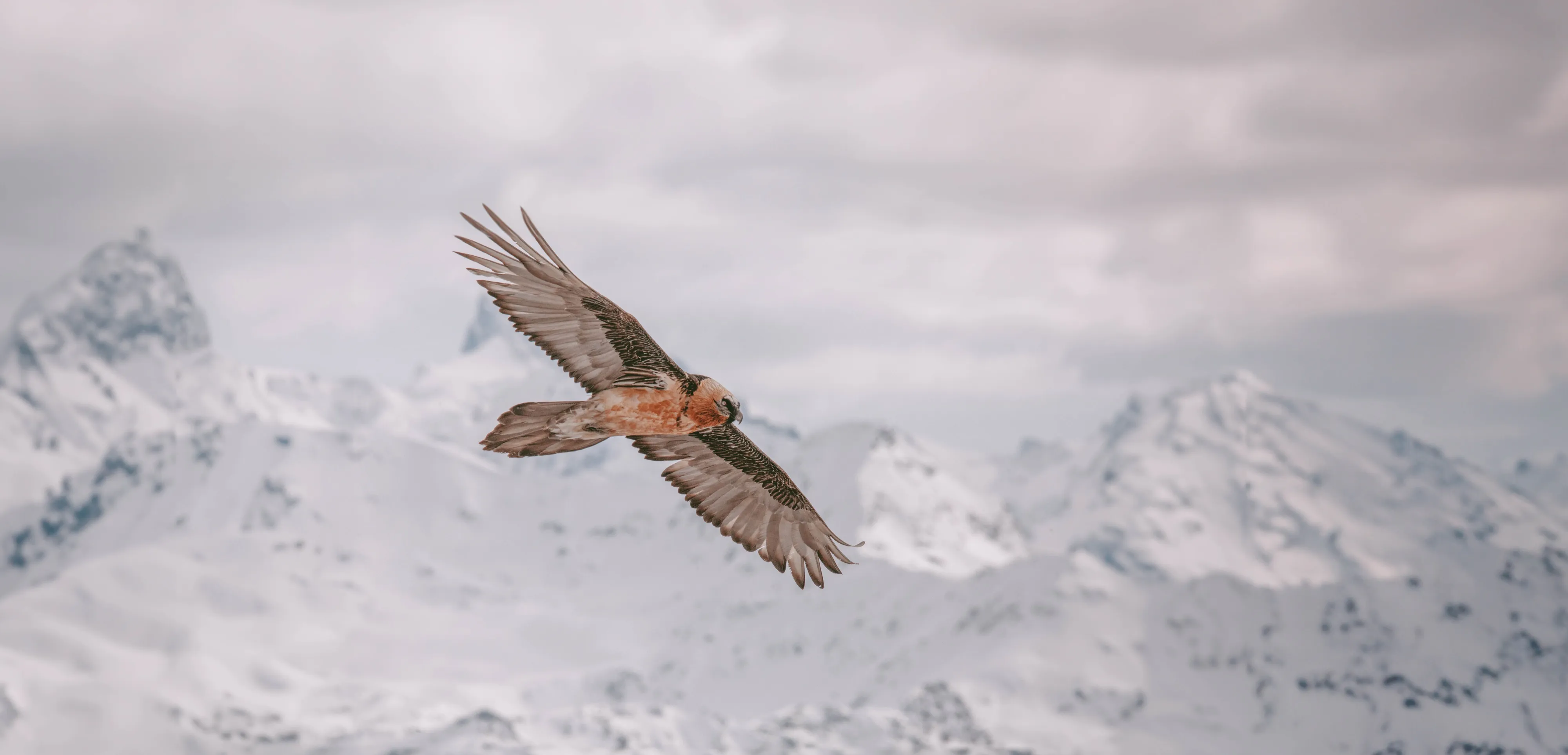
Bearded Vultures in Valais
Eye-level passes from the largest bird in the Alps, against snow, rock and winter light.
From CHF 1’590
View tour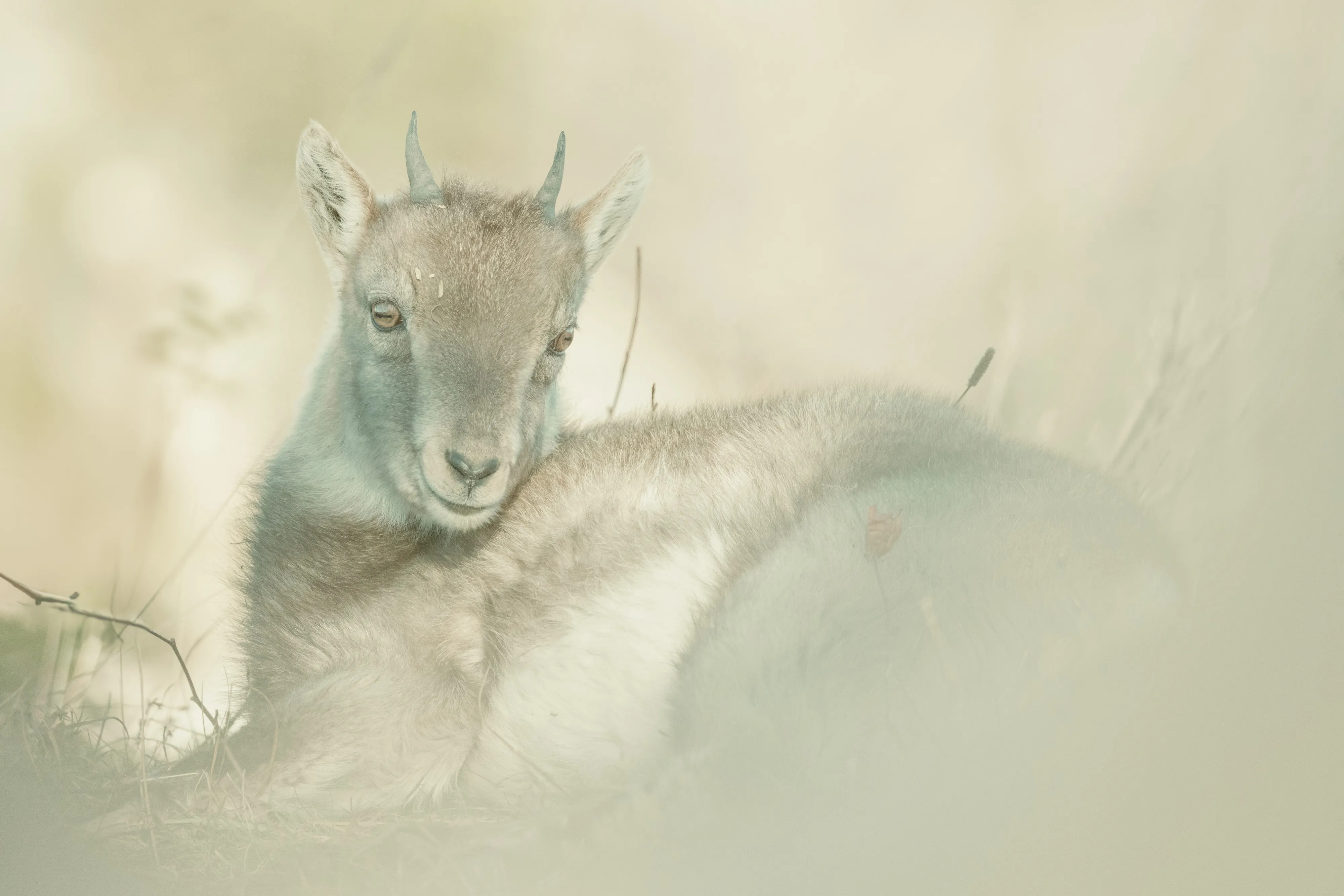
Ibex in Neuchâtel
Calm, approachable ibex on the limestone rim of the Jura, with room to slow down and build a portrait.
From CHF 1’490
View tour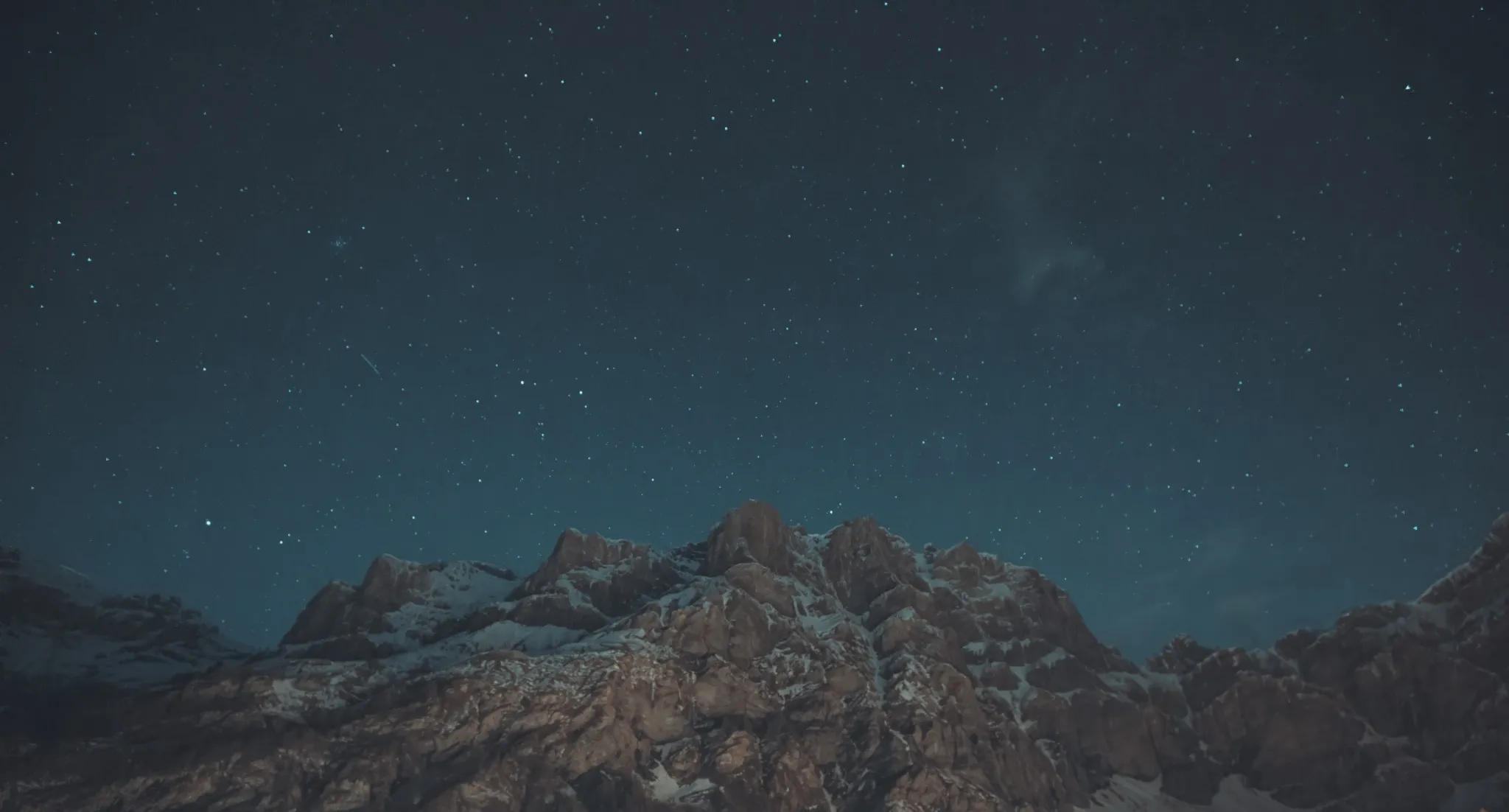
Switzerland’s Best Views
Mountain landscapes from first light to full dark, including the Milky Way over the high peaks.
From CHF 1’490
View tour