JournalPlanning
Wildlife photography on Pilatus: what you can see and when to go
A photographer’s guide to Mount Pilatus above Lucerne: ibex, chamois and alpine birds, the best light and seasons, how to get up there, and what to bring.
Most visitors go up Pilatus for the view. They ride to the top, photograph Lake Lucerne from the terrace and ride down again. Very few realise that the mountain they are standing on is one of the most accessible places in Switzerland to photograph wild ibex and chamois.
Pilatus is our home mountain. This is what we would tell a friend who was coming up with a camera for the first time.
The mountain in brief
Pilatus is a limestone massif on the edge of Lucerne, a long ridge with several summits. The highest, the Tomlishorn, reaches 2,128 metres. The summit station and hotels at Pilatus Kulm sit just below, with marked paths leading along the ridge in both directions.
There are two ways up.
- From Kriens, on the Lucerne side, by gondola and then aerial cableway. This runs for most of the year.
- From Alpnachstad, on the lake, by the cogwheel railway, the steepest in the world. It operates in the warmer months only.
Operating dates change with the season and there is usually a maintenance closure, so check before you plan.
What lives there
Ibex
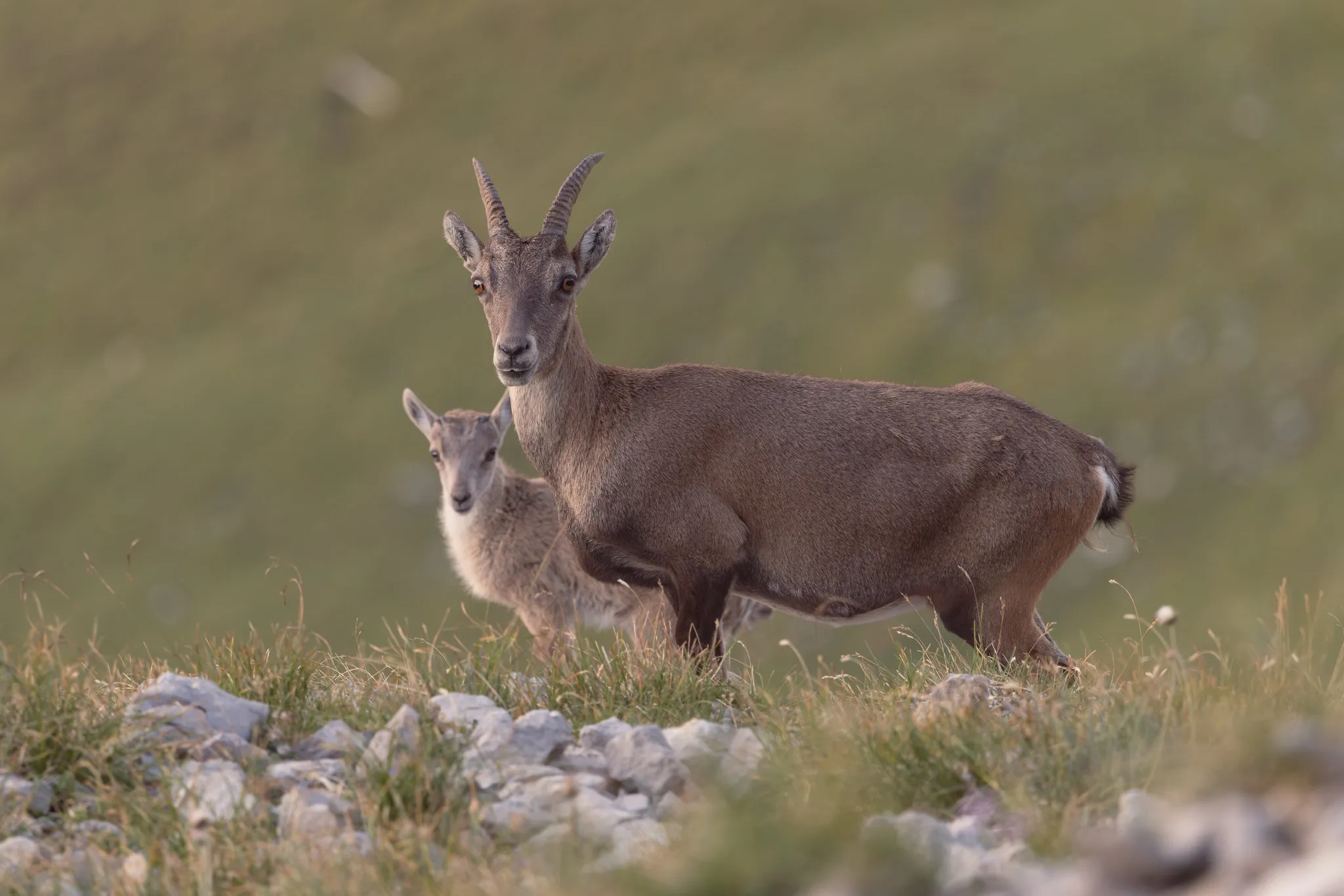
Ibex were reintroduced to Pilatus in the 1960s and have been there ever since. They keep to the rocky ridges and steep grass slopes near the top. Away from the busiest hours they are calm and often carry on feeding with a quiet photographer at a sensible distance.
Look for them early and late in the day, when the day visitors have gone and the animals move onto the open slopes.
Chamois
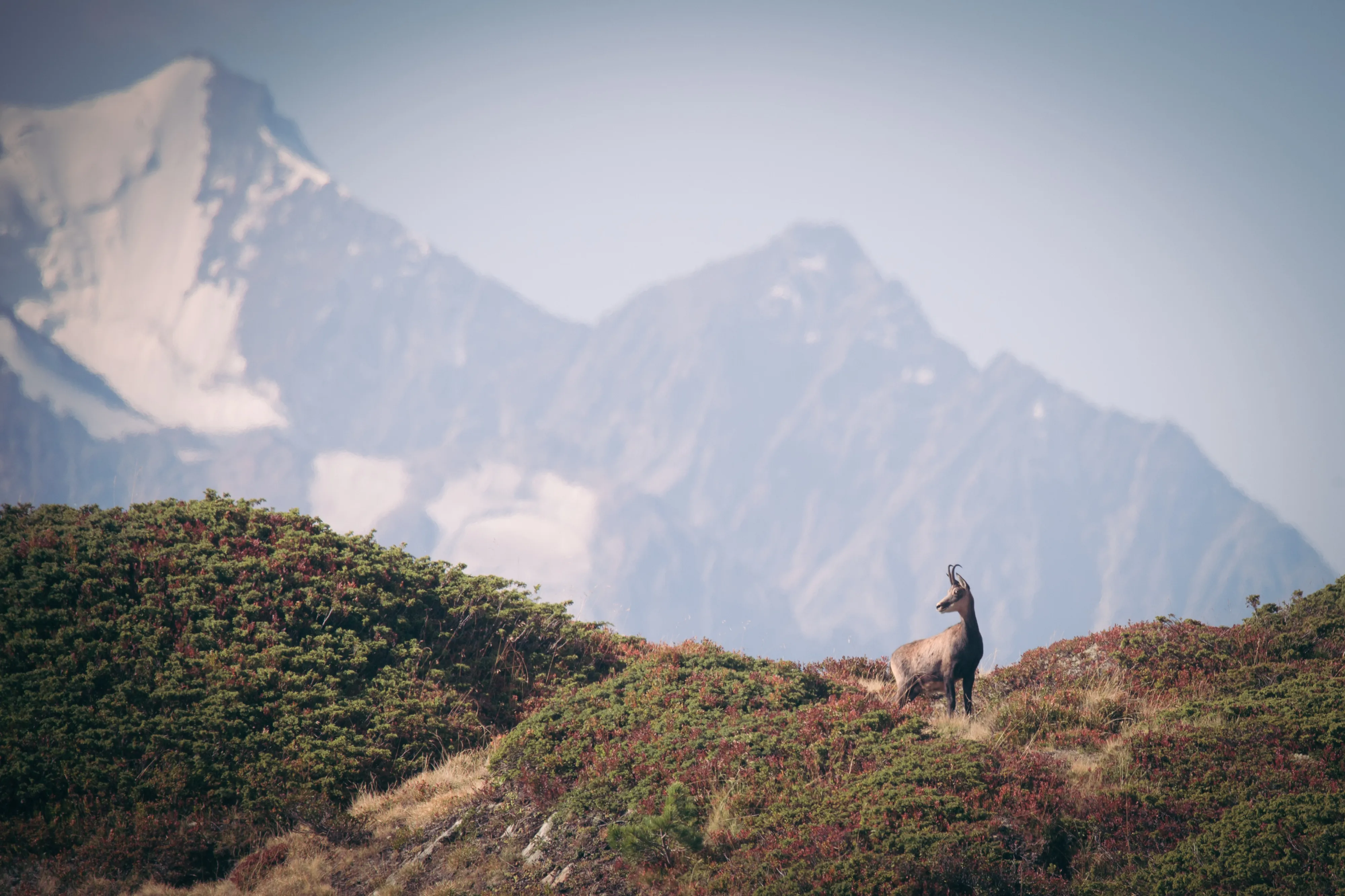
Chamois use more of the mountain, from the upper forest to the high pastures. They are much warier than ibex and are usually seen at a distance, crossing a slope or standing on a skyline. If you are not sure which animal you are looking at, this guide will sort it out in a minute.
Birds
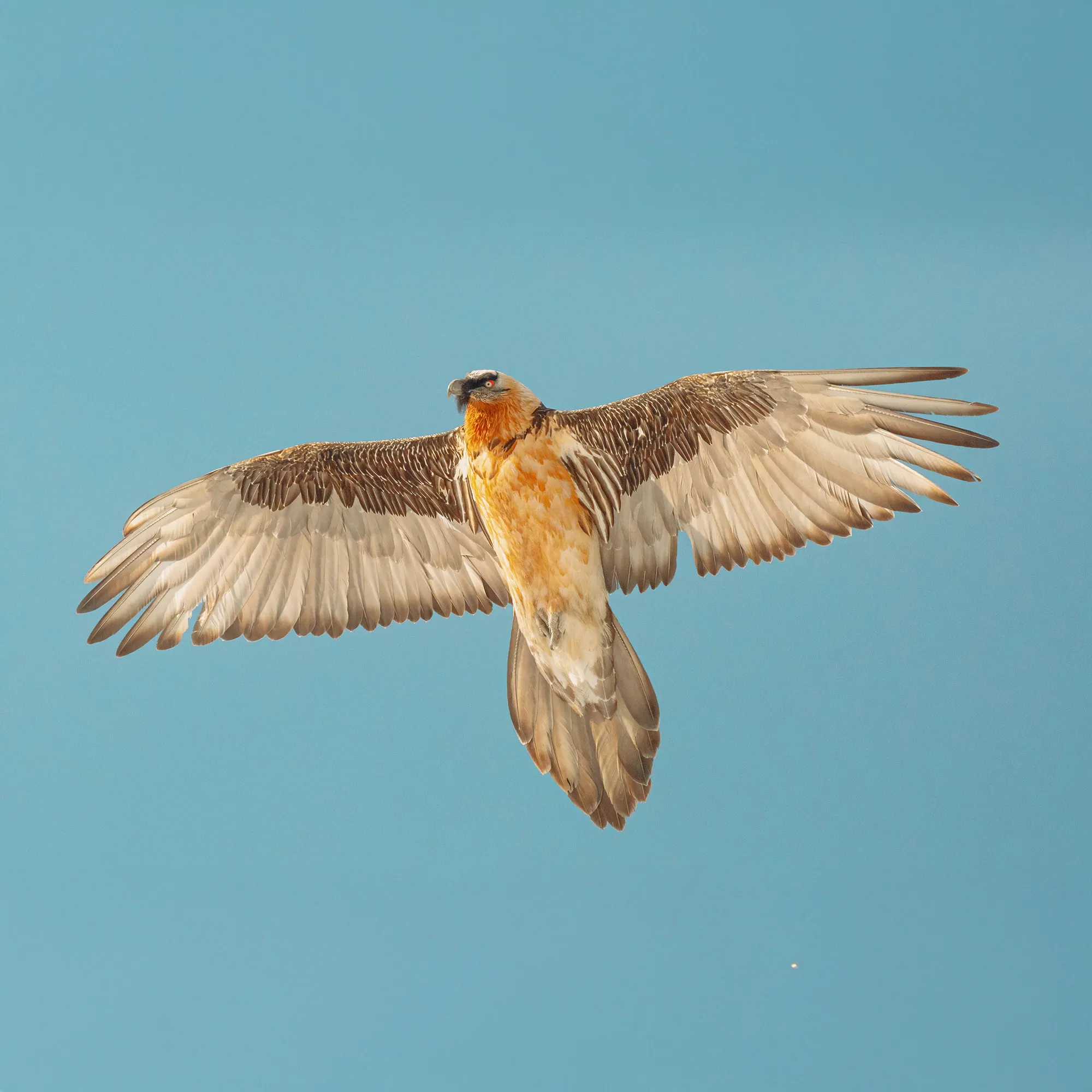
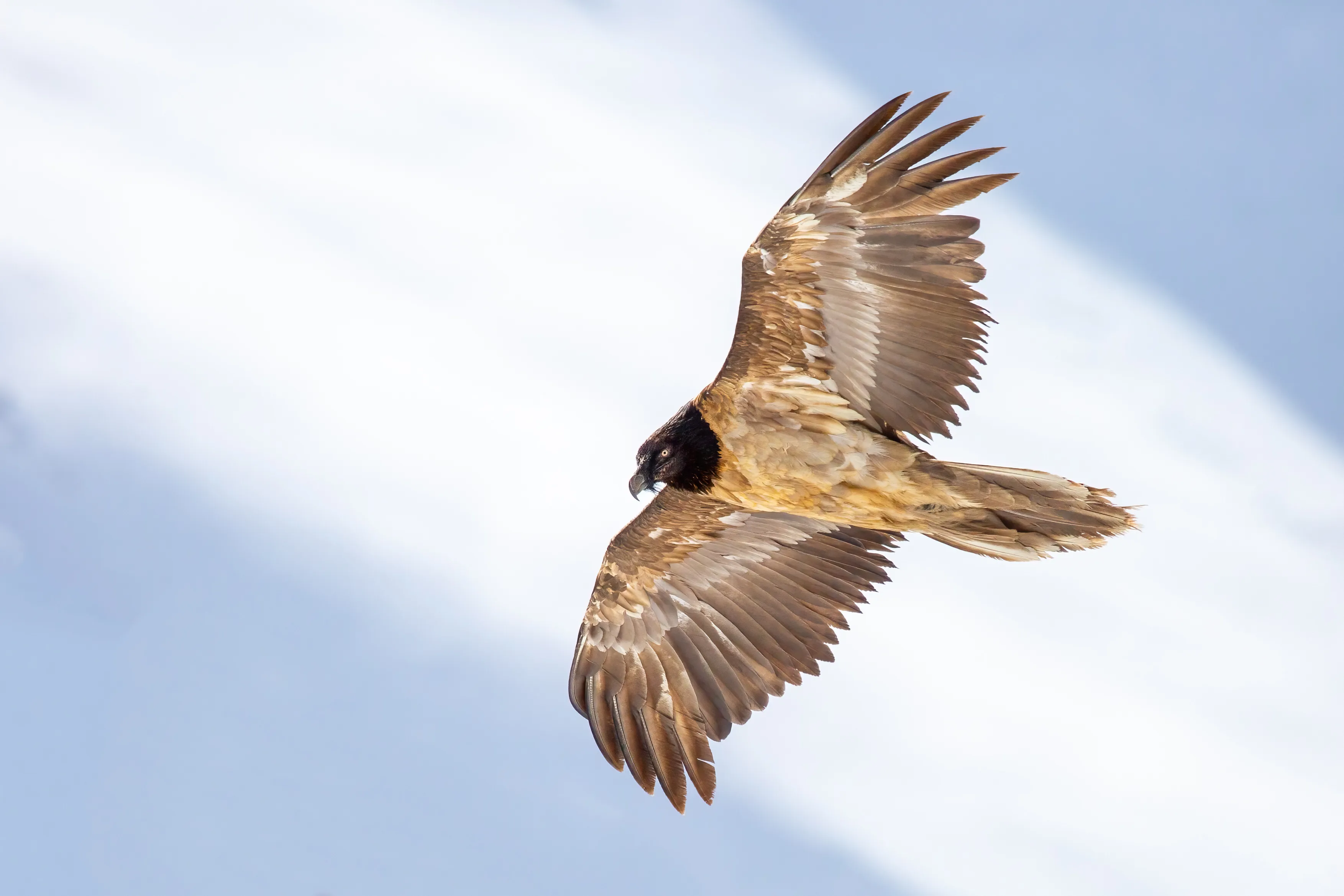
Alpine choughs are everywhere around the summit and are bold enough for close flight shots. Alpine accentors feed among the rocks, nutcrackers call from the forest lower down, and it is always worth checking large birds overhead for a golden eagle.
When to go
- Early summer. Ibex kids, fresh green slopes and long days. Both ways up are running.
- Autumn. The best light of the year. Fog often fills the lowlands while the mountain stands clear above it, and the slopes turn colour.
- Winter. Chamois in black coats against the snow and very few people. Most summit paths are closed by snow, so options are limited and the cableway from Kriens is the only way up.
- Spring. Snow lingers on the paths well into the season. Animals come to the first clear slopes to feed.
As for time of day, the middle hours are for the view. The first and last hours are for the animals. Staying overnight on the summit is the simplest way to be there for both ends of the day.
Making pictures, not just sightings
Use the height. On Pilatus you are often level with or above the animals, with open air and distant mountains behind them. Move until the background is a clean layer of blue ridges, not a cluttered slope.
Work the fog. When the lowlands are under cloud, an animal on the ridge against a white sea makes a simple, strong picture. Expose for the fog so that it does not burn out.
Think about scale. A frame-filling ibex portrait is satisfying. A small chamois on a huge limestone face often says more about the place.
Try backlight. Early and late sun along the ridge gives rim light on horns and fur. There is more on this in our guide to low-key portraits.
What to bring
- A 100–400mm zoom, or similar. It covers nearly everything.
- A wider lens for animals in the landscape and for the view.
- Boots with a proper sole. The paths are rocky and exposed in places.
- A windproof layer and gloves, even in summer. It is always colder on top than in Lucerne.
- A head torch if you plan to be out at dawn or dusk.
Keeping it wild
The animals on Pilatus tolerate people because people, on the whole, keep to the paths. Stay on them. Do not feed anything, do not follow an animal that is moving away, and give mothers with kids extra room. On steep ground an animal that feels pressed has nowhere safe to go.
Going with a guide
You can do all of this alone. What a local guide adds is time: knowing where to look first, where the light will be in an hour, and what to do when the weather changes. If you would like company on the mountain, have a look at the Pilatus tour.