JournalSpecies guide
Bearded vultures in Switzerland: when, where and how to photograph them
The best season, the regions that hold birds, the camera settings that work over snow, and how to do it without disturbing a protected species.
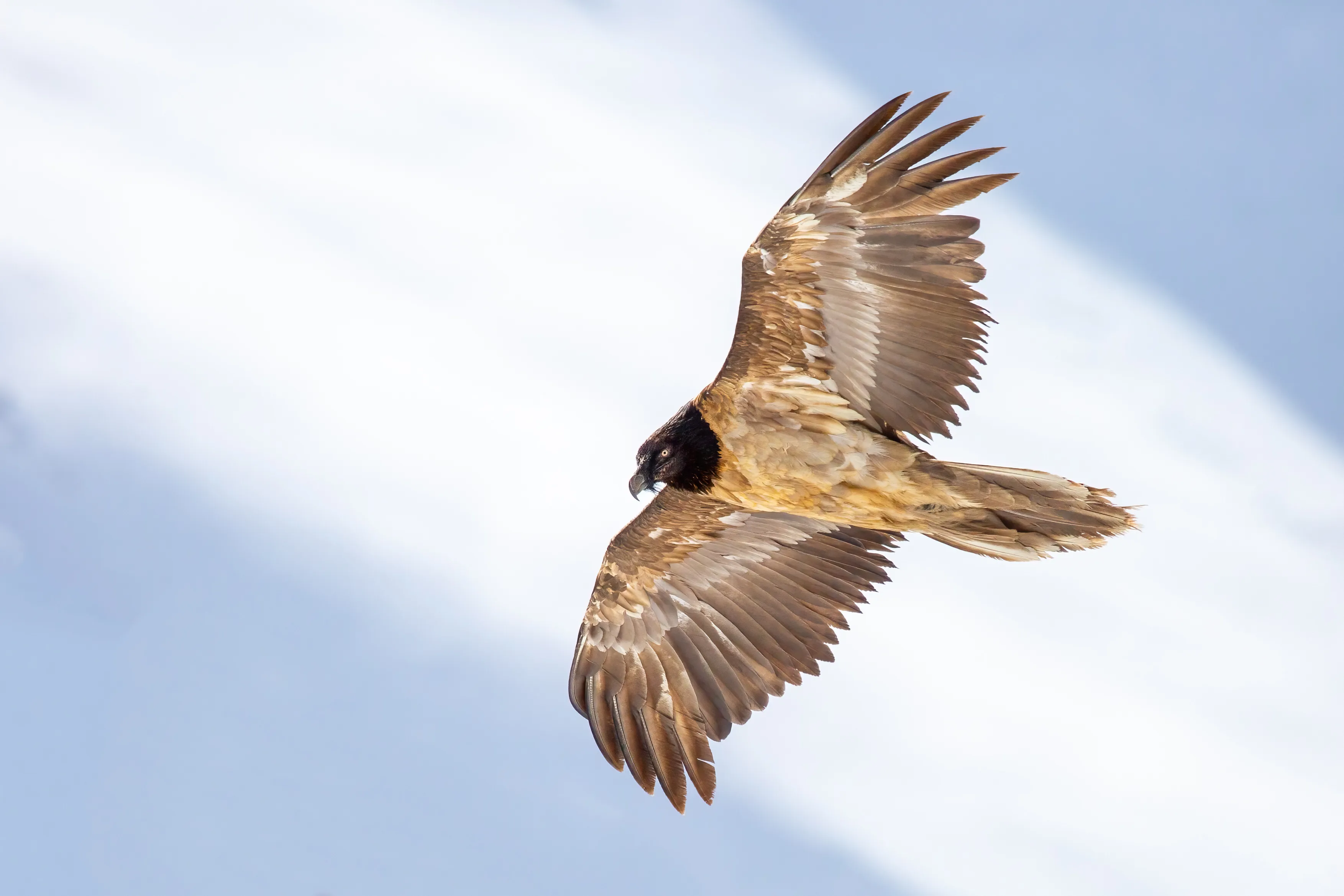
The bearded vulture is the largest bird in the Alps, with a wingspan that can approach 2.9 metres. It is also one of the few large raptors that will pass a quiet observer at eye level, close enough to fill the frame. That combination makes it the most sought-after wildlife subject in Switzerland.
This guide covers what you need to know before you go: when the birds are most active, which regions hold them, how to set up your camera, and where the line is between photographing a protected species and disturbing it.
A bird that came back
Bearded vultures (Gypaetus barbatus) were persecuted to extinction in the Alps. The last known Alpine bird was shot in 1913. An international reintroduction project began releasing captive-bred young in 1986, and Switzerland joined with its first releases in 1991. The birds now breed in the wild again, and the Alpine population has grown to several hundred.
Every bearded vulture you see in Switzerland exists because of that project. It is worth keeping in mind when you decide how close is close enough.
How to recognise one
- Size and shape. Long, narrow, pointed wings and a long wedge-shaped tail. In silhouette it looks more like a giant falcon than a vulture.
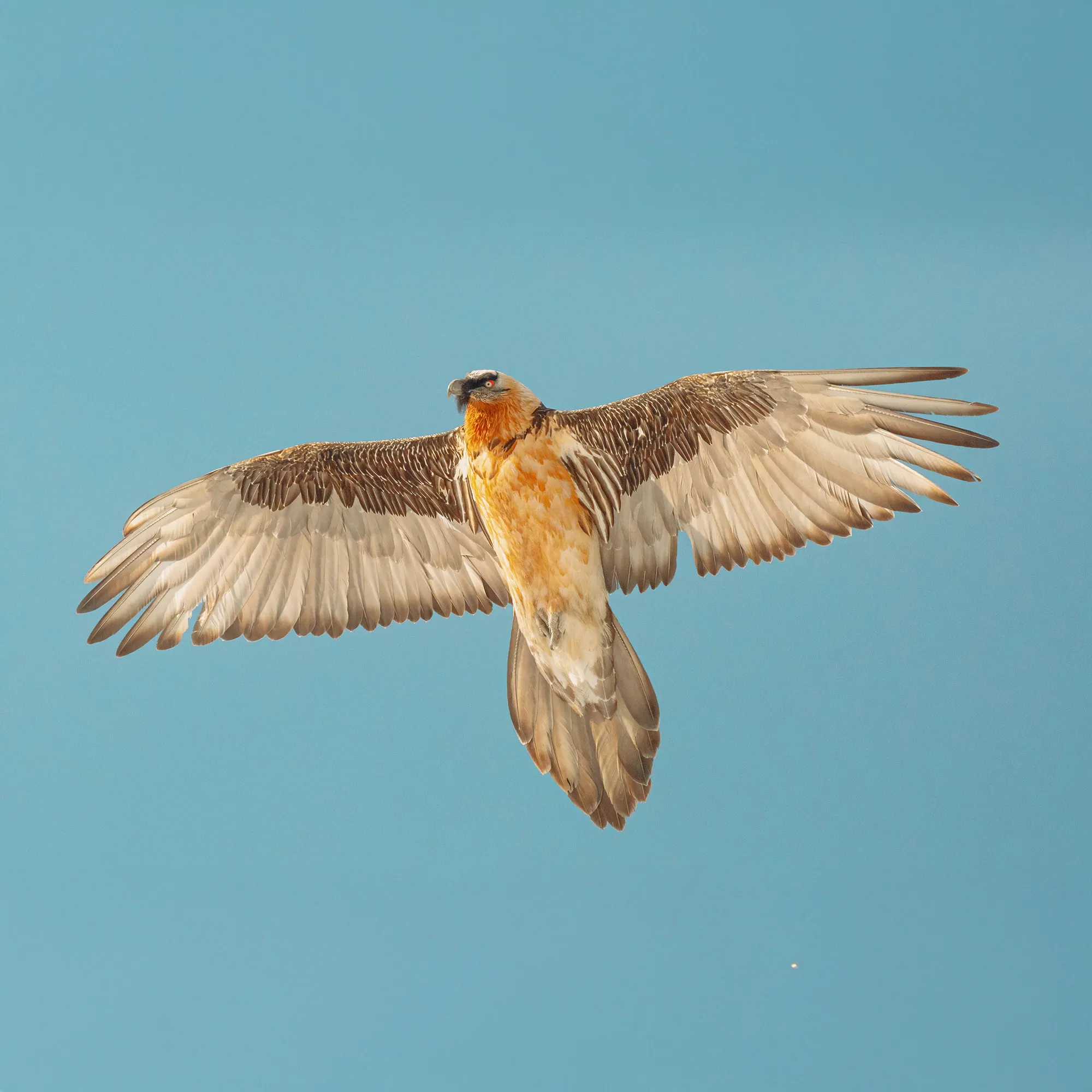
- Adults. Pale head, dark wings, and an underside that ranges from cream to deep rust-orange. The orange is not pigment: the birds stain their feathers by bathing in iron-rich mud.
- Young birds. Dark all over for their first years, getting gradually paler until they reach full adult plumage at around five to seven years old.
- The beard. A tuft of black bristles under the bill, visible in any sharp frame.
They feed almost entirely on bone. Pieces too large to swallow are carried up and dropped onto rock slabs until they break.
When to go
November to February is the prime season. Bearded vultures breed in the depths of winter, with eggs laid around the turn of the year, so pairs hold close to their territories and fly the same ridgelines day after day.
Winter helps the photography as well:
- The sun stays low, so the birds are side-lit for most of the day.
- Snow on the ground bounces light up into the underside of the wings, which is in deep shadow in summer.
- Snow-covered peaks give you a clean, bright background instead of dark forest.
You can see bearded vultures in every month of the year, but in summer they range much more widely and encounters are less predictable.
Where to look
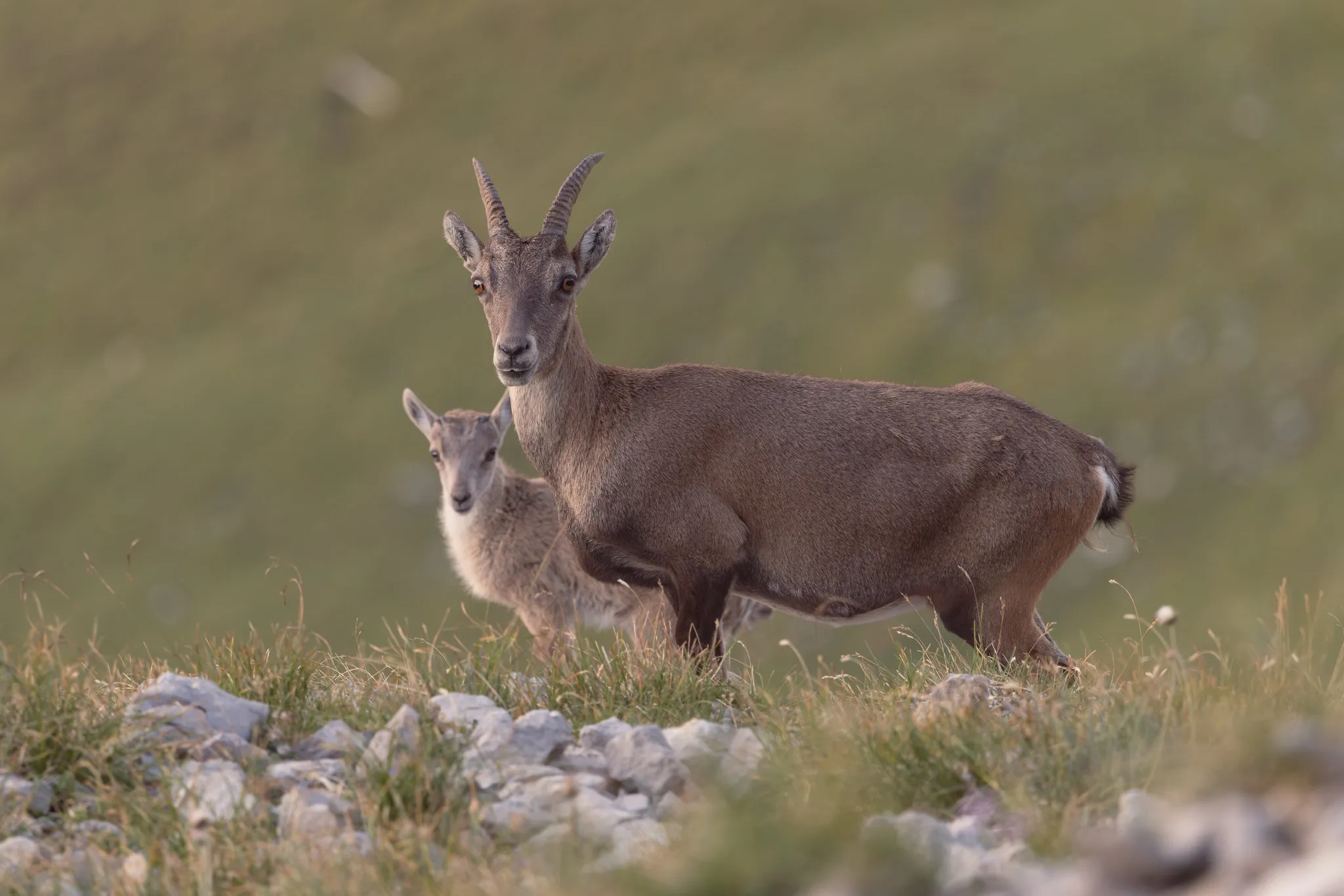
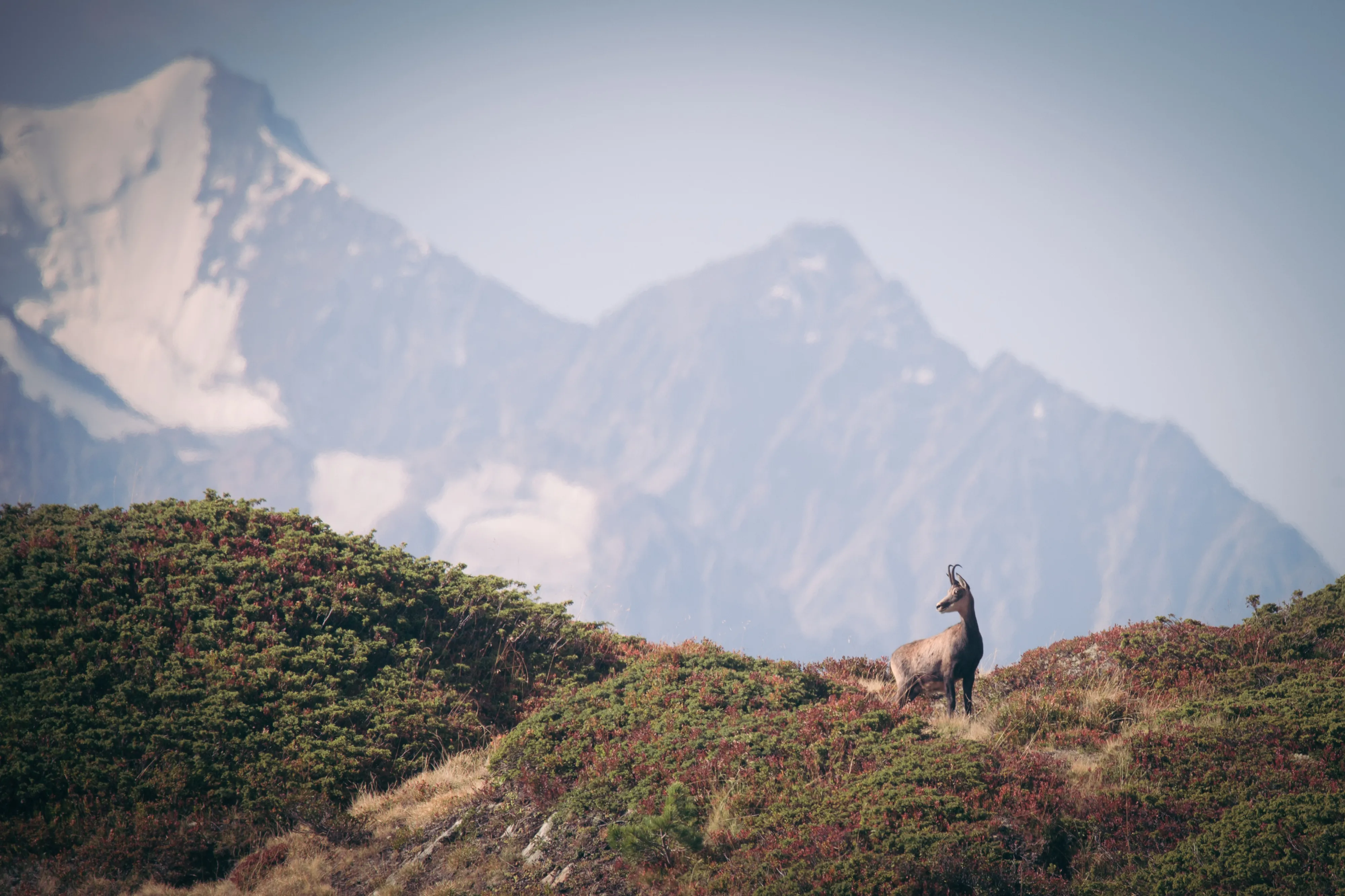
The strongest regions in Switzerland are Valais, the Engadine in Graubünden, and parts of the Bernese Oberland. Within those regions, look for high south-facing slopes with cliffs, ibex and chamois (their main source of bones), and ridges that generate lift on sunny days.
Birds typically start flying mid-morning once the air warms and thermals begin to form. A viewpoint level with the ridgeline, or just above it, turns a speck in the sky into a bird at eye level with mountains behind it. That single choice matters more than any lens.
Camera settings that work
A bearded vulture is big and flies steadily, so it is one of the easier birds to track. Exposure is the hard part. A pale bird against snow under a bright sky will fool your meter in both directions.
| Setting | Starting point |
|---|---|
| Mode | Manual with auto ISO, or full manual |
| Shutter speed | 1/2000 s for flight; 1/1000 s is enough for slow glides |
| Aperture | f/5.6 to f/8 |
| Autofocus | Continuous, with bird detection if your camera has it |
| Exposure compensation | +1 to +1.7 against snow or bright cloud |
| Drive | High-speed burst, in short controlled bursts |
Check your histogram on the first pass, not the last. The pale head is the first thing to blow out, and once it is gone it cannot be recovered.
If the light is steady, switch to full manual: meter off the snow, open up until the snow sits just below clipping, and leave it there. Your exposure will then stay correct whether the bird is against sky, rock or snow.
Composition: beyond the bird on blue
The first sharp frame of a vulture against a plain sky is a thrill. The second one looks exactly the same. To move on from there:
- Use the mountains. Wait for the bird to drop below the skyline so you have peaks, not sky, behind it.
- Go wider. A small bird in a big Alpine landscape often says more than a frame-filling portrait.
- Wait for the head turn. A vulture looking towards the camera, with light in the eye, lifts an ordinary pass.
- Look for behaviour. Two birds interacting, a bird carrying a bone, a juvenile following an adult.
Photographing without disturbing
Bearded vultures are strictly protected, and winter is when they are most vulnerable. A pair that is flushed from its nest in January can lose an egg to the cold in minutes.
The rules we follow, and ask everyone on our tours to follow:
- Stay well away from nest sites. If you find one by accident, leave.
- No baiting. Never put out food or bones to draw birds in.
- No playback.
- Stay on established paths and viewpoints. The birds know them and treat people there as part of the scenery.
- Watch the bird. If it changes direction, calls or circles because of you, you are too close.
The best pictures come from birds that are ignoring you.
Going with a guide
You can photograph bearded vultures on your own, and with patience you will succeed. A guide shortens the odds: knowing which slopes are being used this winter, where to stand for the light, and how to read the weather on the day is the difference between a long cold wait and a card full of keepers.