ToursValais
Bearded Vultures in Valais
- Subject
- Bearded vulture Gypaetus barbatus
- Region
- Valais
- Best season
- November to February
- Format
- Full day, private
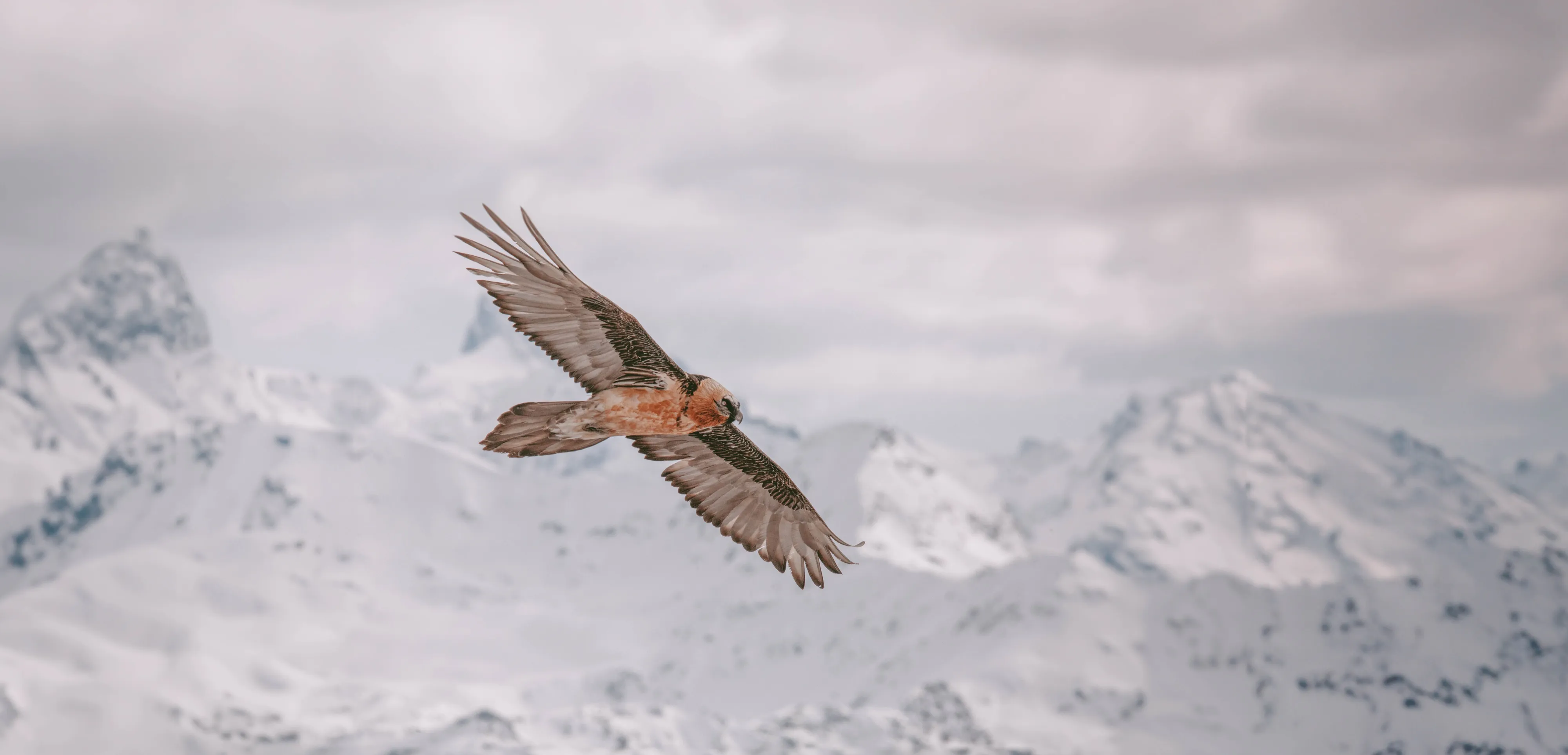
A bearded vulture has a wingspan of close to three metres, and when one slides past a ridge at eye level you hear the air move. It sits at the top of most Alpine wildlife photographers’ lists, and winter in Valais is when to go after it.
The species was hunted out of the Alps by the early twentieth century. A reintroduction programme that began in 1986 brought it back, and Valais is now one of its strongholds in Switzerland. In winter the adults are on territory, the low sun lights them from the side, and snow throws light back up under the wings.
The bird
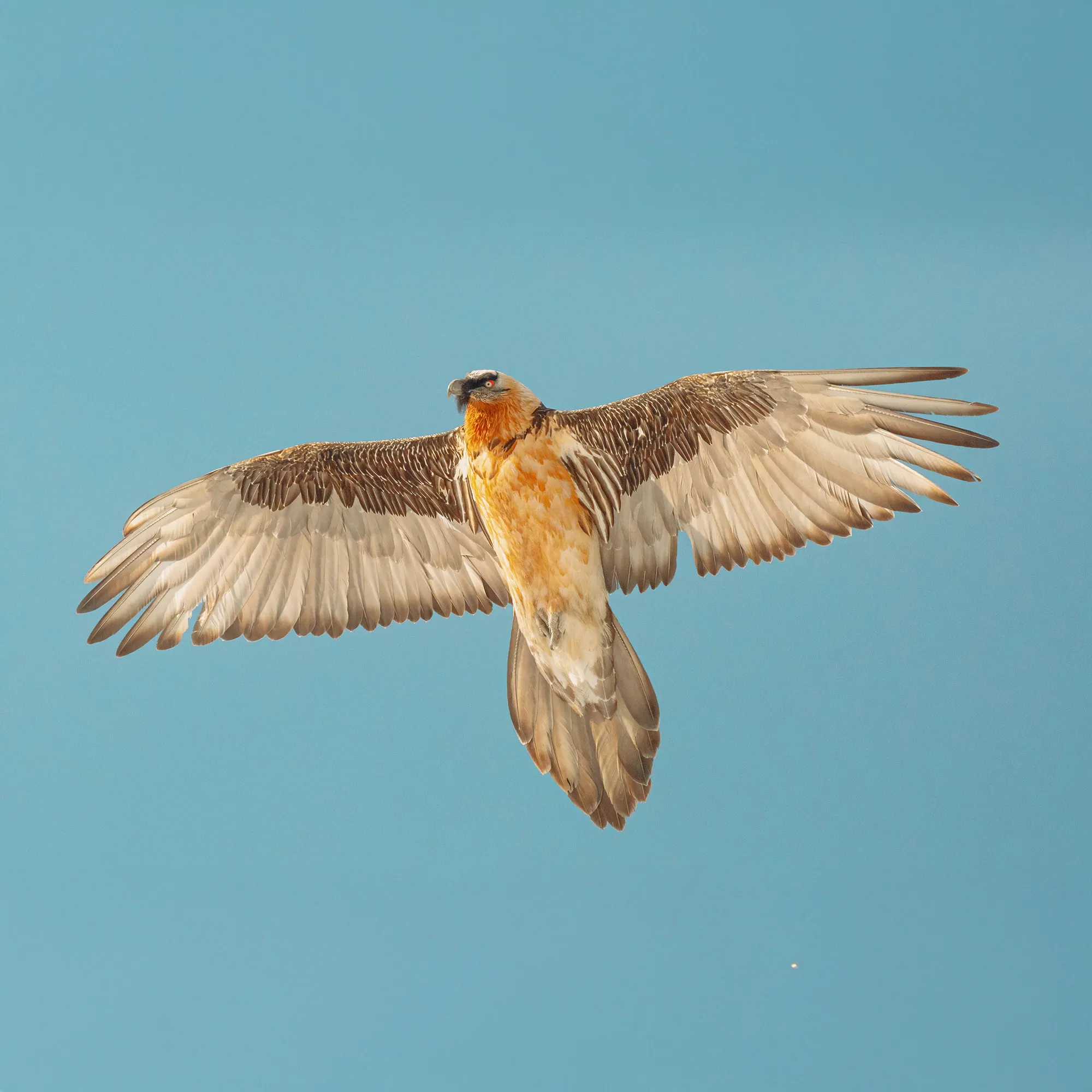
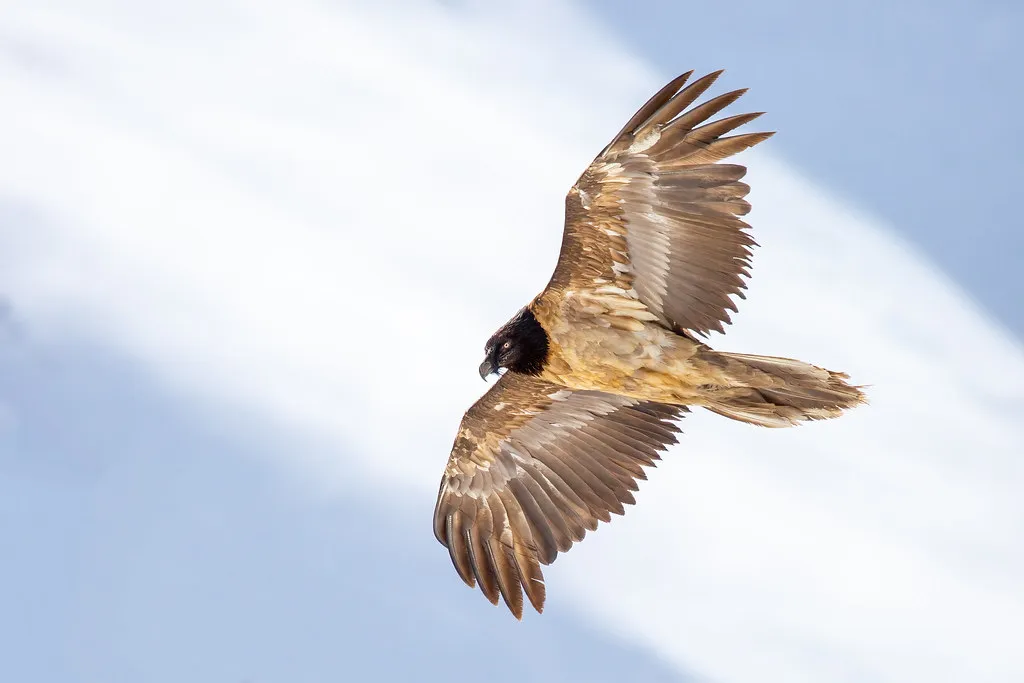
Bearded vultures live almost entirely on bone. They carry the big ones up and drop them onto rock slabs to break them open. Adult plumage is naturally white underneath. The birds stain it rust-orange themselves by bathing in iron-rich mud, so every adult wears a slightly different colour. Young birds are dark all over for their first years and are easy to tell apart in the field.
They breed in the coldest part of the year, which is why pairs hold close to their cliffs from late autumn and why the winter months give the most consistent flying.
The photography
This is a birds-in-flight day. We work on autofocus set-up, shutter speeds for a large, slow-flapping bird, and above all on exposure, because a pale bird over snow under a changing sky will fool any meter.
Then we work on the picture itself: placing the bird against a peak instead of blank sky, waiting for the head turn, and using the mountains as a backdrop, not as an afterthought.
How we work around them
We photograph from positions the birds already pass on their own patrol routes. No baiting, no playback, and we keep well away from nest sites. If a bird changes its behaviour because of us, we are too close.
What we go looking for
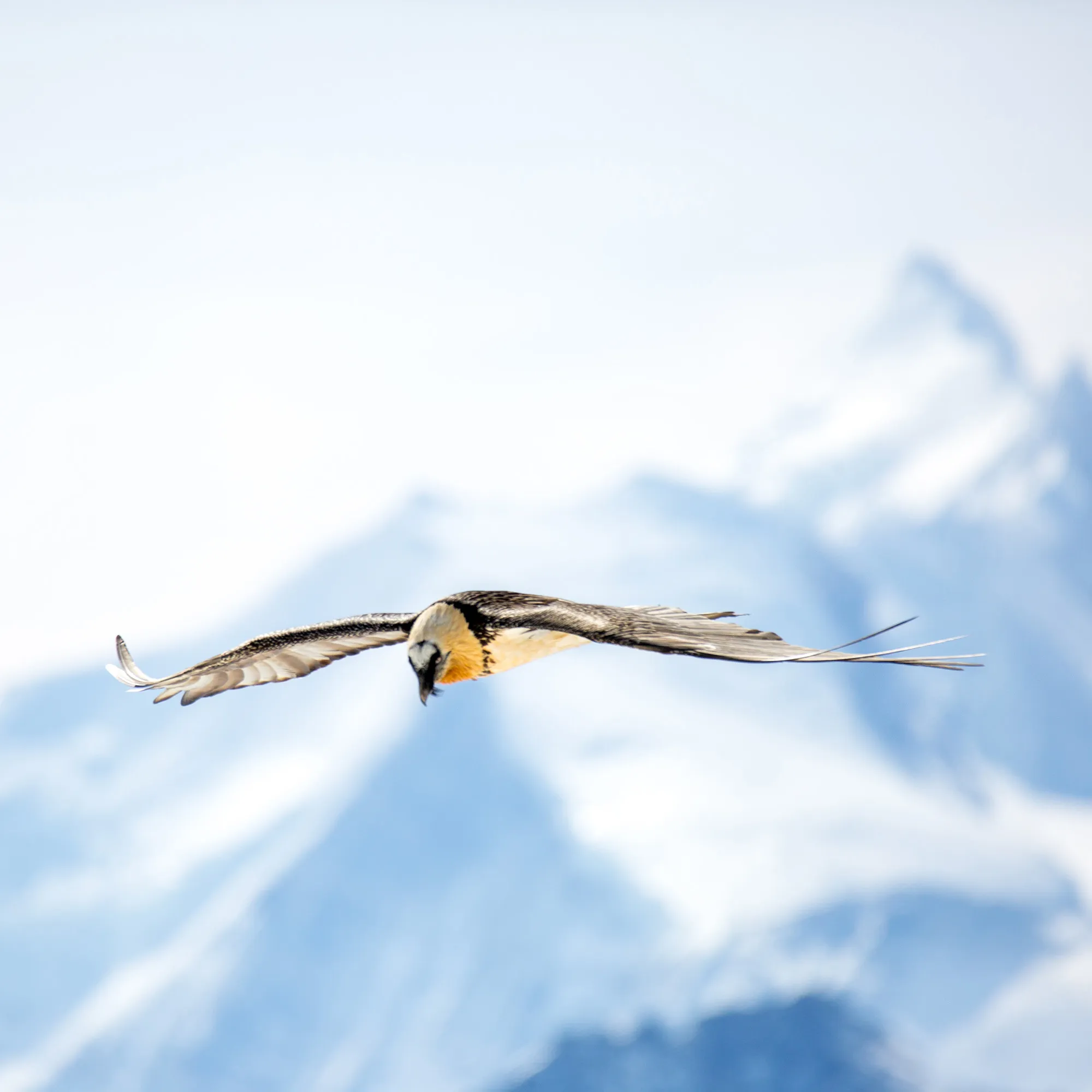
- Adults at eye level with peaks behind
- Underwing detail lit by snow
- Dark juveniles for contrast
- Wide frames: a small bird in a big landscape
- Golden eagle, alpine accentor and snow finch as they turn up
What to bring
- A 400mm lens or longer is ideal; a 100–400mm zoom works well
- Full winter layers, gloves you can shoot in, sturdy boots
- Spare batteries kept warm in an inside pocket
- A monopod if you prefer one; most of this is handheld
Plan your bearded vulture tour
Tell us when you would like to come and who is coming. We reply with a draft itinerary and exact pricing.
Read before you come
Bearded vultures in Switzerland: when, where and how to photograph them
The best season, the regions that hold birds, the camera settings that work over snow, and how to do it without disturbing a protected species.
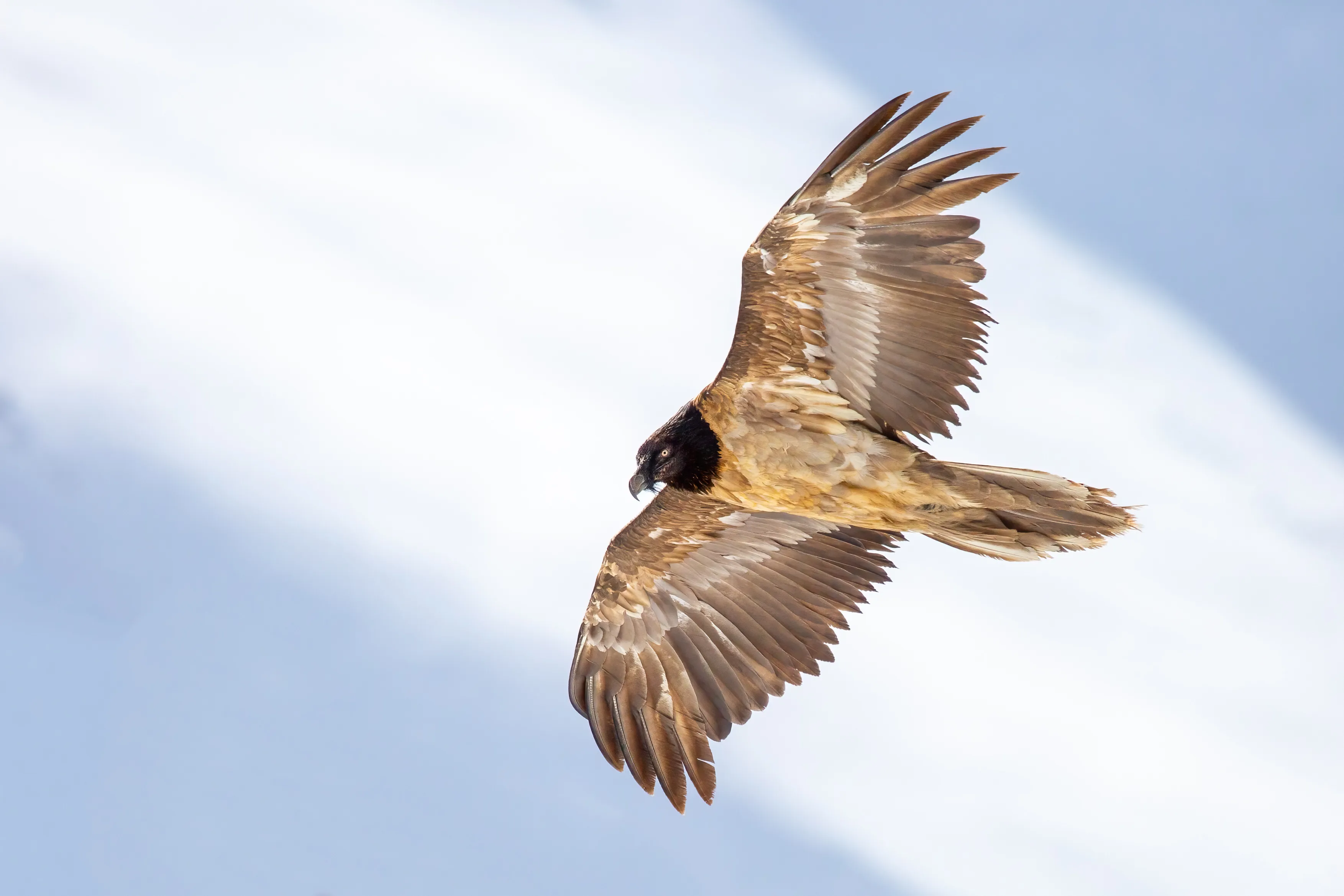
Birds in flight: the autofocus and camera settings that work
A practical set-up for photographing birds in flight: autofocus modes, shutter speed, exposure and technique, from large raptors to small, fast birds.
Keep exploring
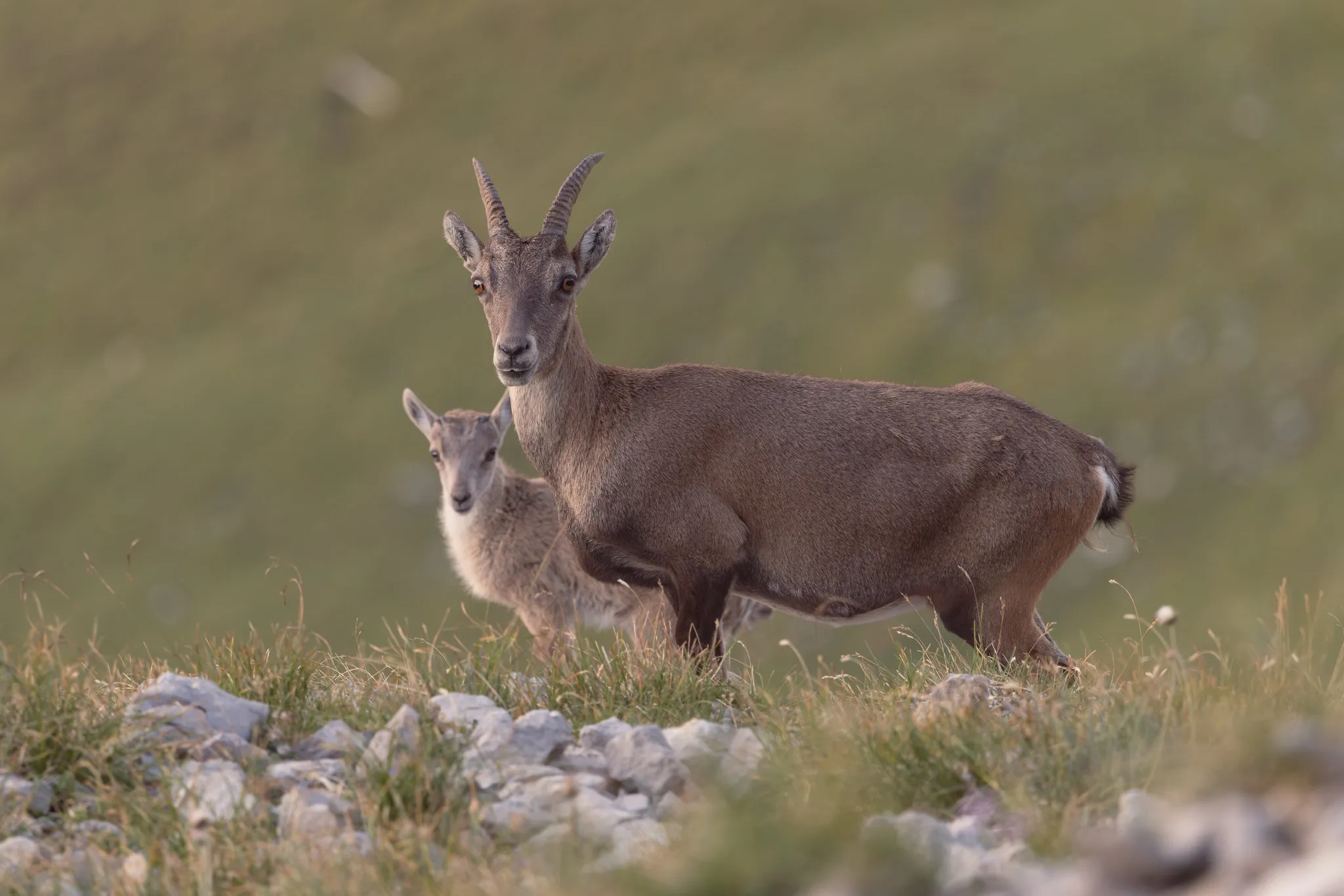
Chamois and Ibex on Pilatus
A wildlife photography day on our home mountain: ibex on the limestone ridges, chamois on the slopes, and Lake Lucerne far below.
From CHF 890
View tour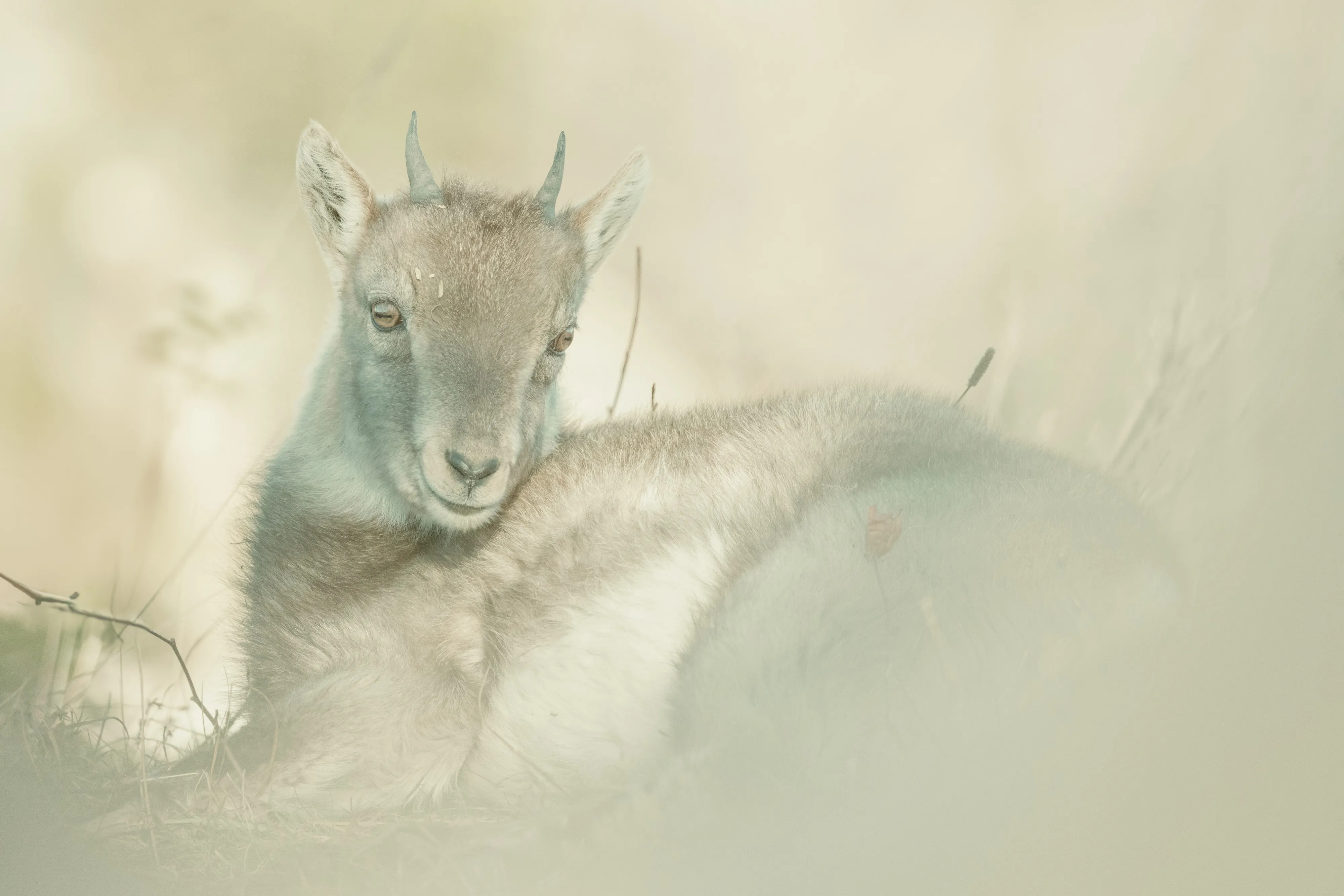
Ibex in Neuchâtel
Calm, approachable ibex on the limestone rim of the Jura, with room to slow down and build a portrait.
From CHF 1’490
View tour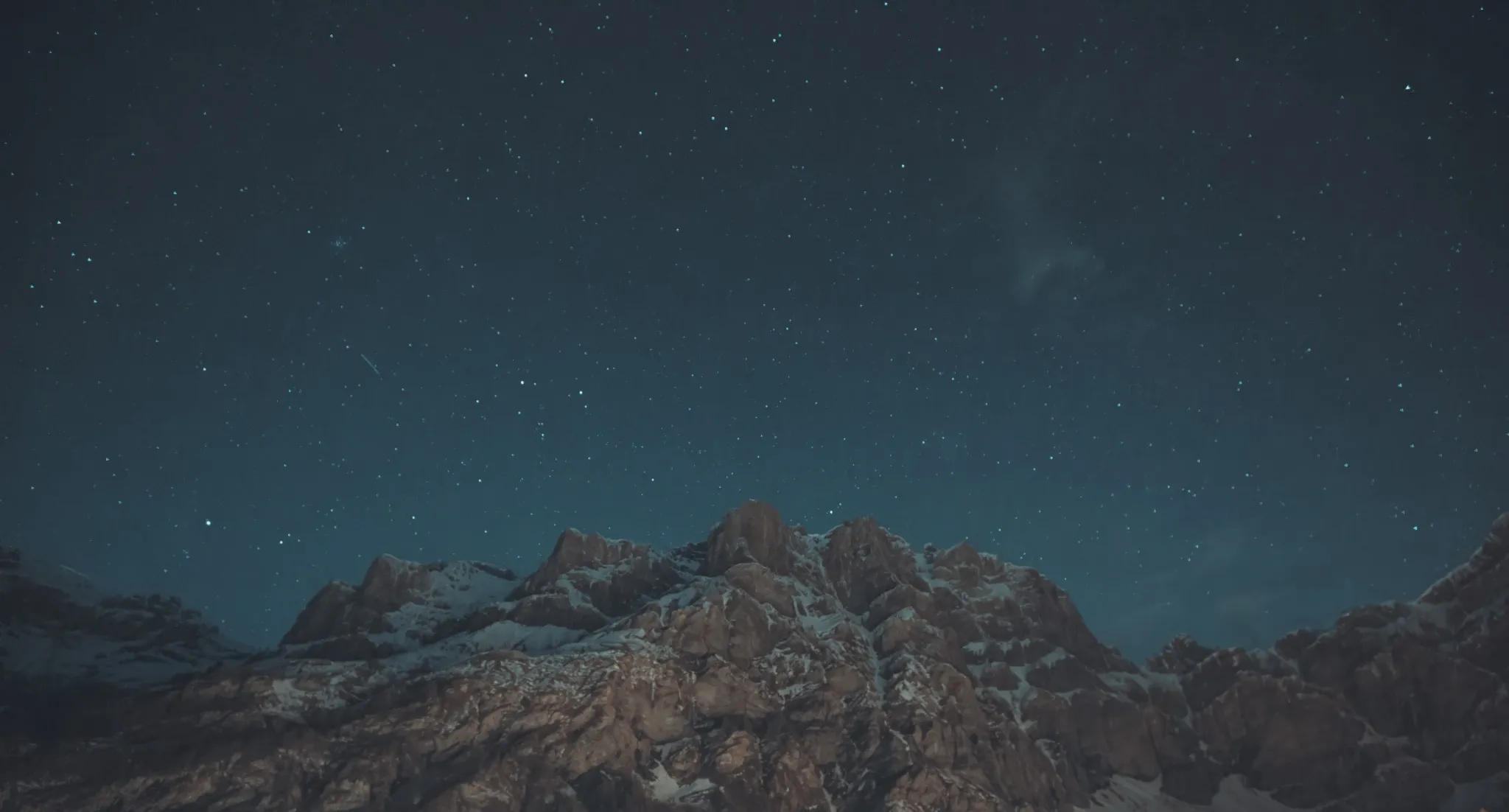
Switzerland’s Best Views
Mountain landscapes from first light to full dark, including the Milky Way over the high peaks.
From CHF 1’490
View tour