ToursHigh Alps
Milky Way Over the Alps
- Subject
- Milky Way / Night Sky
- Region
- High Alps
- Best season
- Moonless nights, April to September
- Format
- Evening into the small hours, private
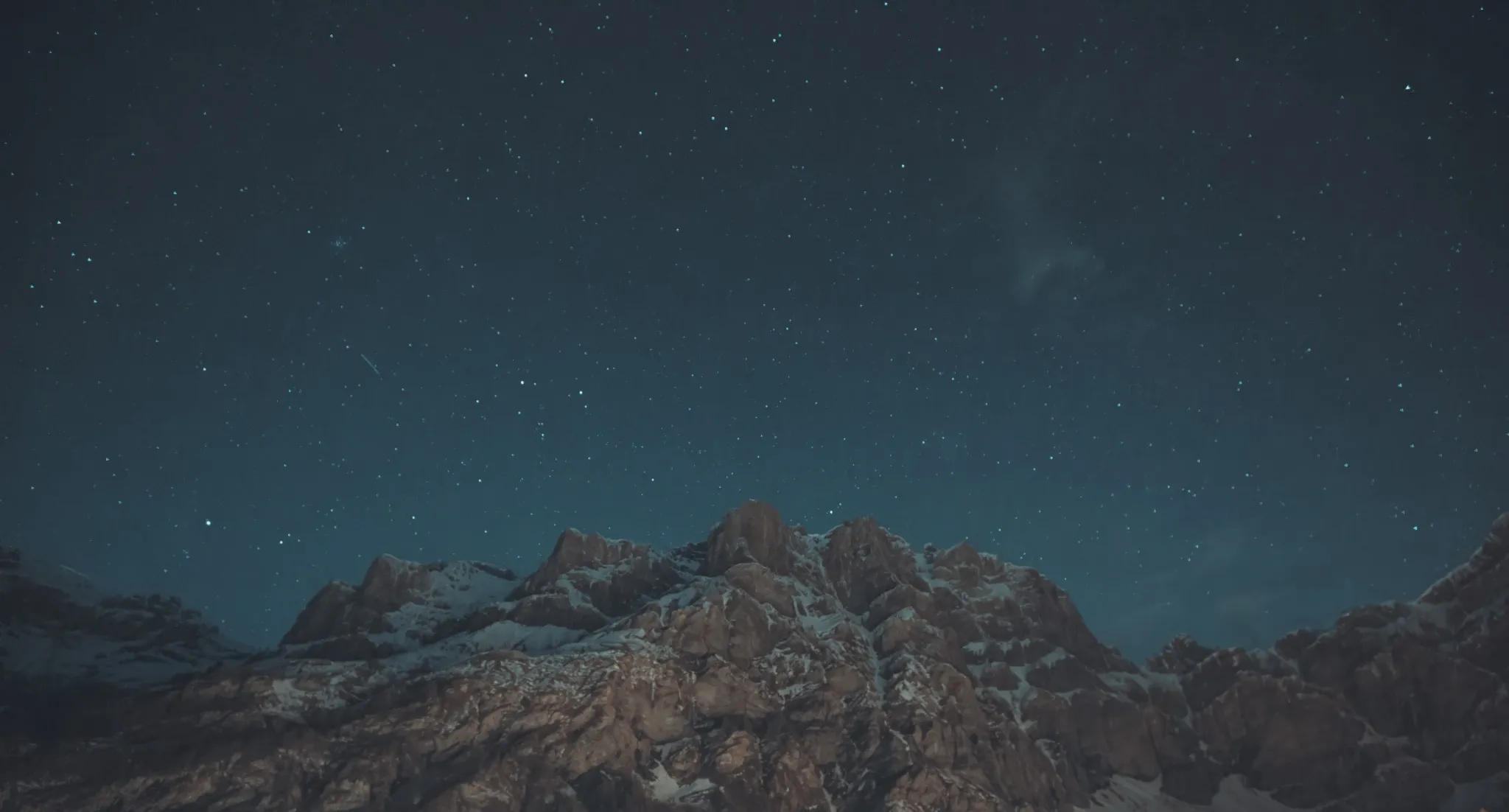
On a clear, moonless night at altitude the Milky Way stands up over the peaks and you can see it with your own eyes. Getting that into a camera, with a mountain under it and a foreground that holds together, is one of the most satisfying things in landscape photography, and one of the hardest to do alone.
This is a single night, planned properly: the right dark site, the right date for the moon, the right hour for the galactic core, and a guide beside you from the last of the daylight until the core sets.
The Night
We meet in the late afternoon and go up while it is still light, so the composition is set before dark: a peak, a lake, a hut, a ridge. Blue hour gives the base frames for the foreground. Then the stars come out and we work until the Milky Way drops behind the mountains, usually in the small hours.
Dates are chosen within a few nights of the new moon, between April and September, when the core of the galaxy is above the southern horizon. If the forecast turns, we move the night rather than lose it.
The Photography
Focusing on stars, exposure time and ISO for pin-sharp points, stacking and tracking for cleaner skies, blending a blue-hour foreground with a night sky, and lighting a hut or a rock without flattening it. Everything is shown on the back of the camera as we go, so you leave with the method, not just the file.
Leaving No Trace
Red light only once it is dark, no lighting of anything that might hold animals, and we keep to paths. The mountain is asleep; we are guests.
What We Go Looking For
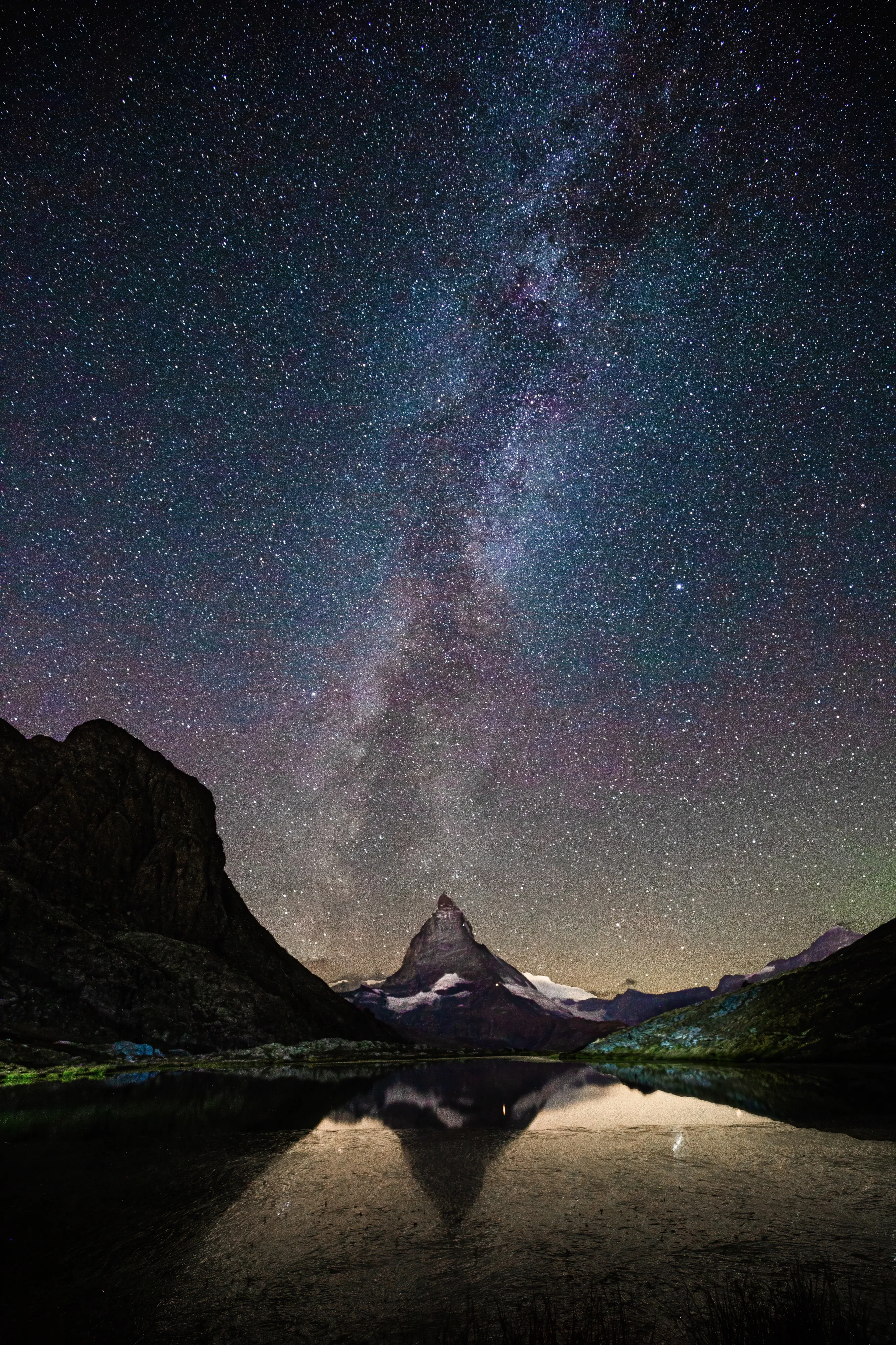
- The Milky Way core over a named peak
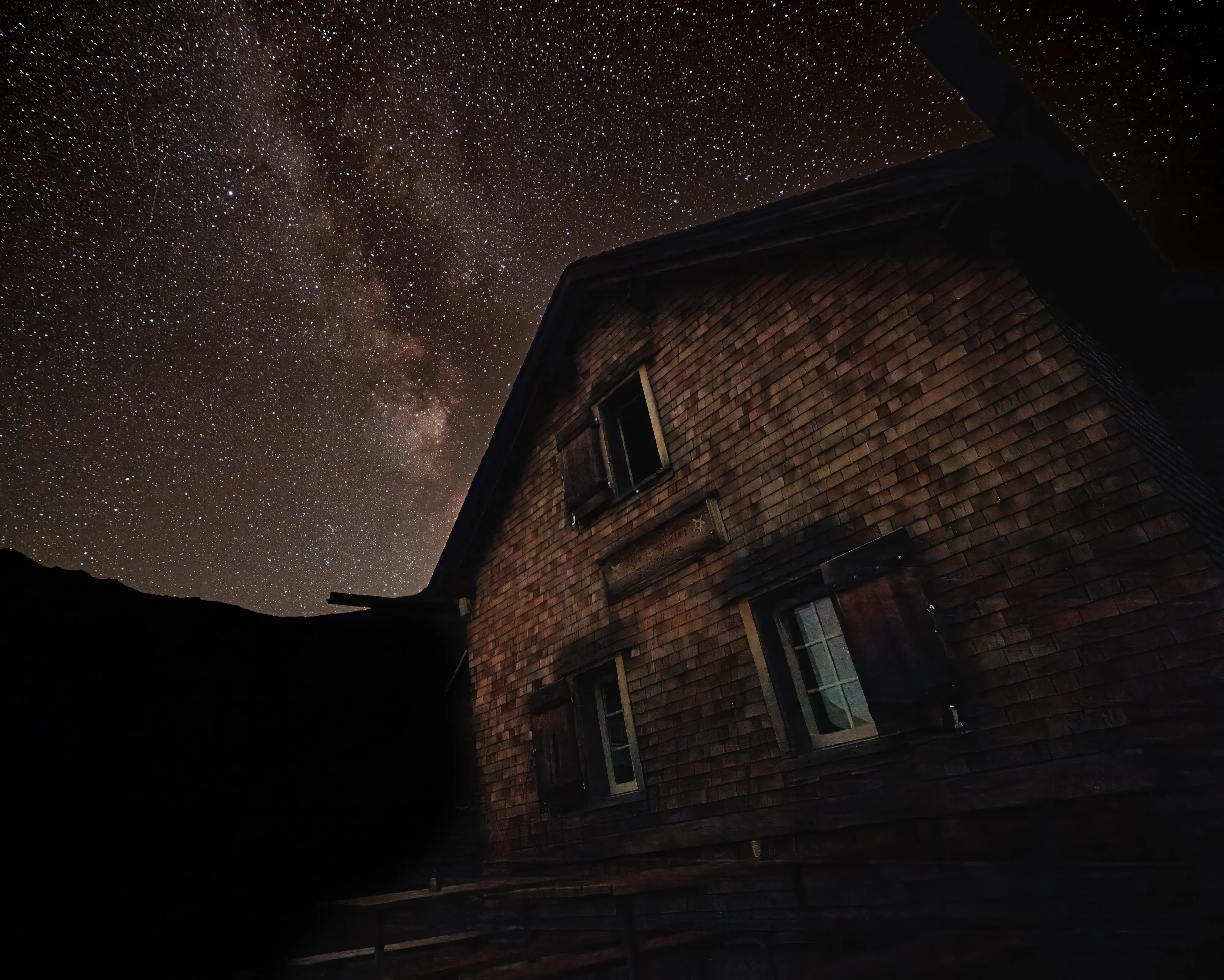
- A hut or chalet under the stars
- Stars reflected in a still lake
- A clean blue-hour foreground blended with the night sky
- Star trails if the core has set and the night is still clear
What to Bring
- A wide-angle lens, f/2.8 or faster; 14–24mm is ideal
- A solid tripod: essential
- Head torch with a red light
- Spare batteries; the cold and long exposures drain them
- Full warm layers; a clear night at altitude is cold even in July
Plan your milky way / night sky tour
Tell us when you would like to come and who is coming. We reply with a draft itinerary and exact pricing.
Keep Exploring
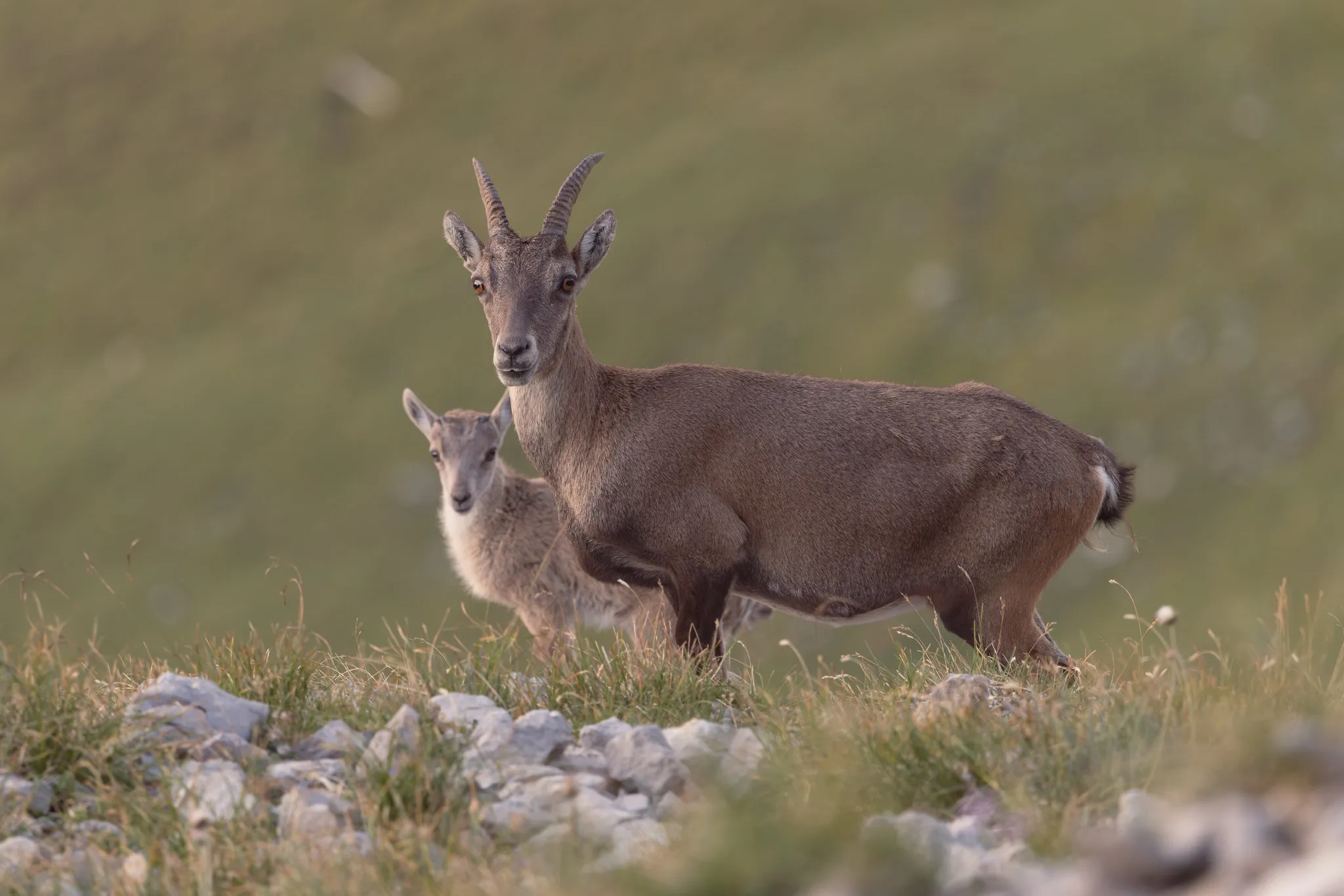
Chamois and Ibex on Pilatus
A wildlife photography day on Pilatus: ibex on the limestone ridges, chamois on the slopes, and Lake Lucerne far below.
From CHF 890
View Tour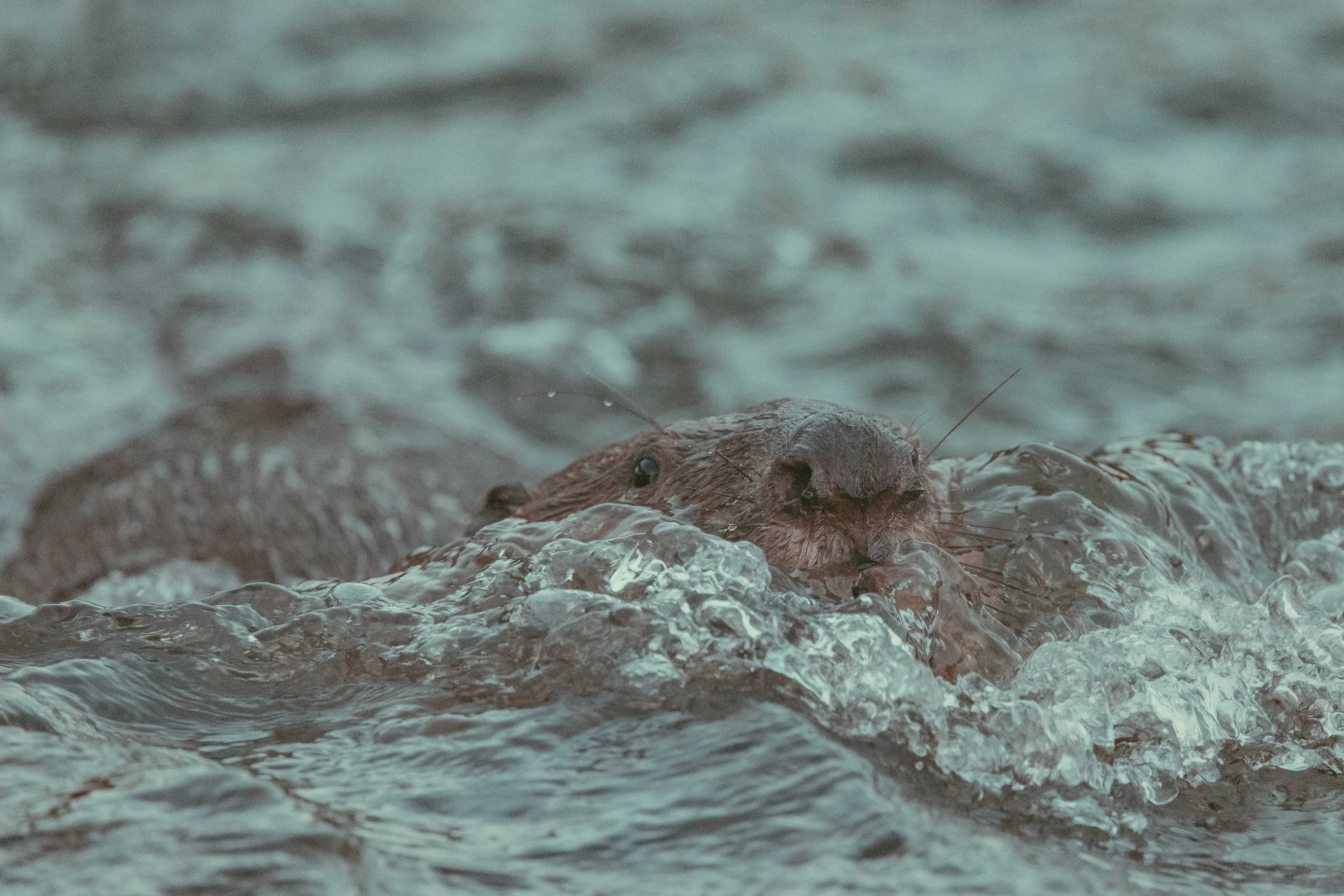
Beavers After Work
An evening by the water with an animal that was gone from Switzerland for a century and is now back on Lucerne’s doorstep.
From CHF 490
View Tour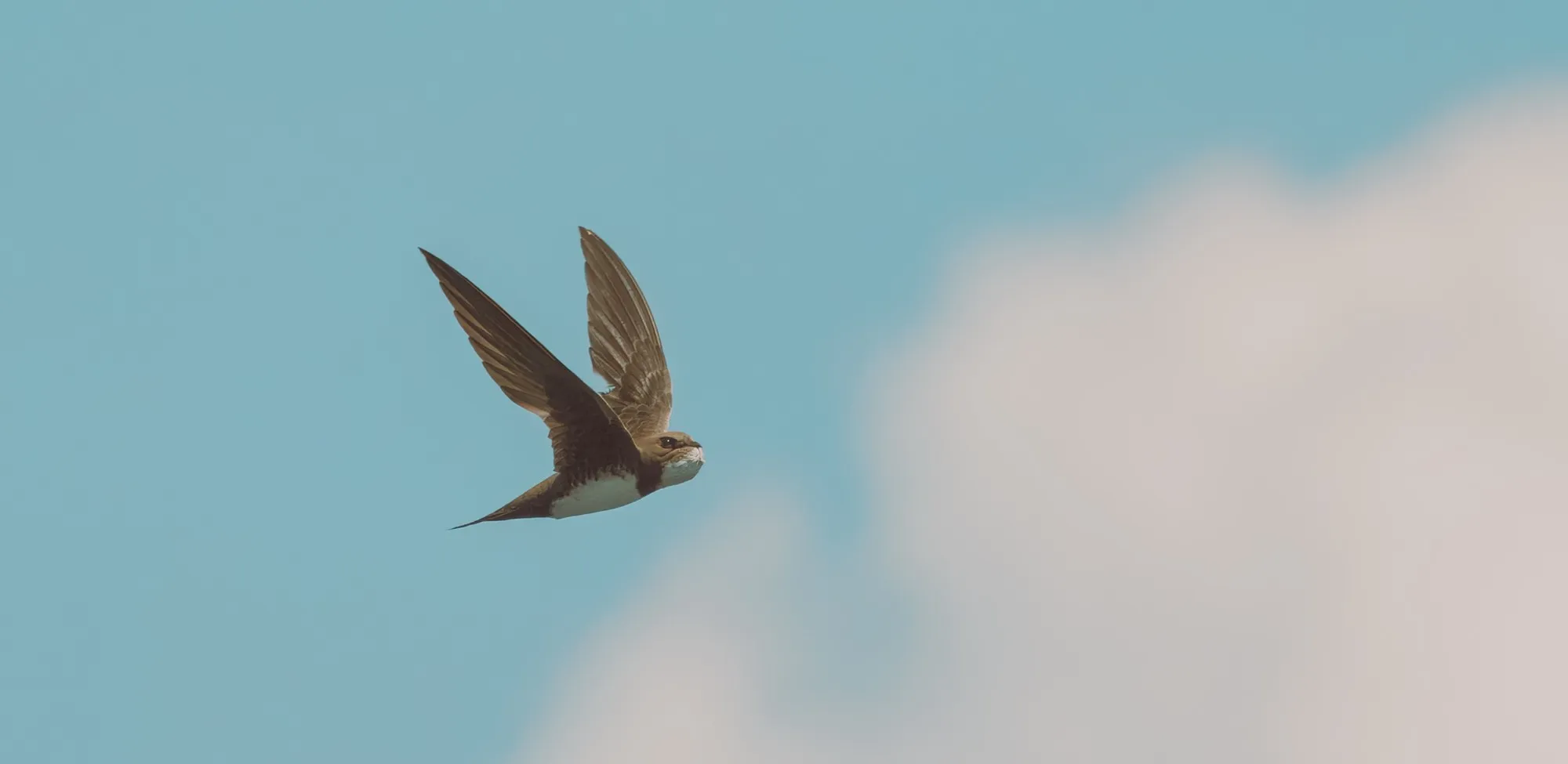
Alpine Swifts in Lucerne
The fastest wildlife in the city: a summer workshop on photographing alpine swifts as they scream around Lucerne’s towers.
From CHF 490
View Tour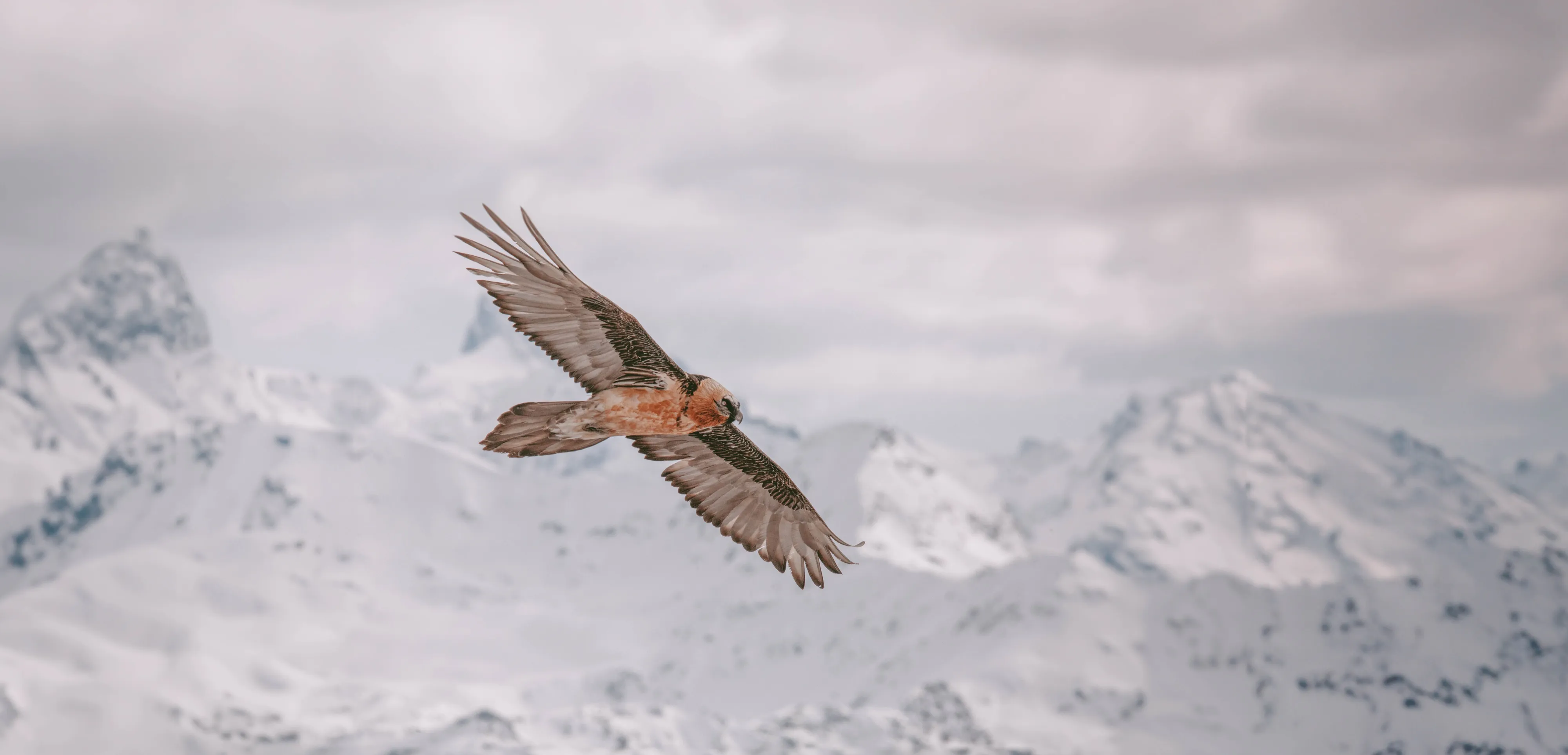
Bearded Vultures in Valais
Eye-level passes from the largest bird in the Alps, against snow, rock and winter light.
From CHF 1’590
View Tour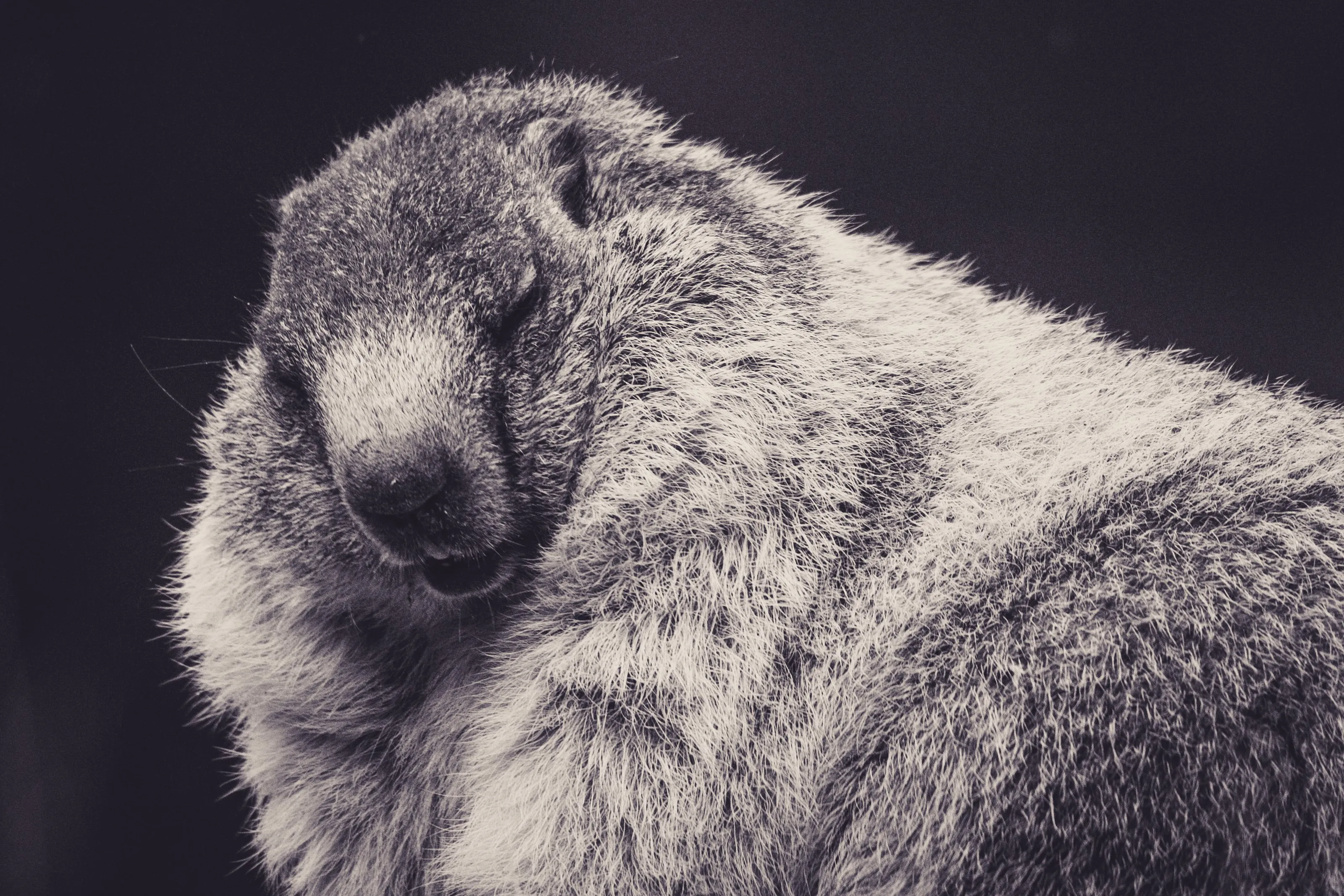
Marmots in Valais
A summer morning on an alpine meadow in Valais with a colony of marmots: whistles, wrestling, greetings nose to nose, and the kind of close views that only come from lying still in the grass.
From CHF 890
View Tour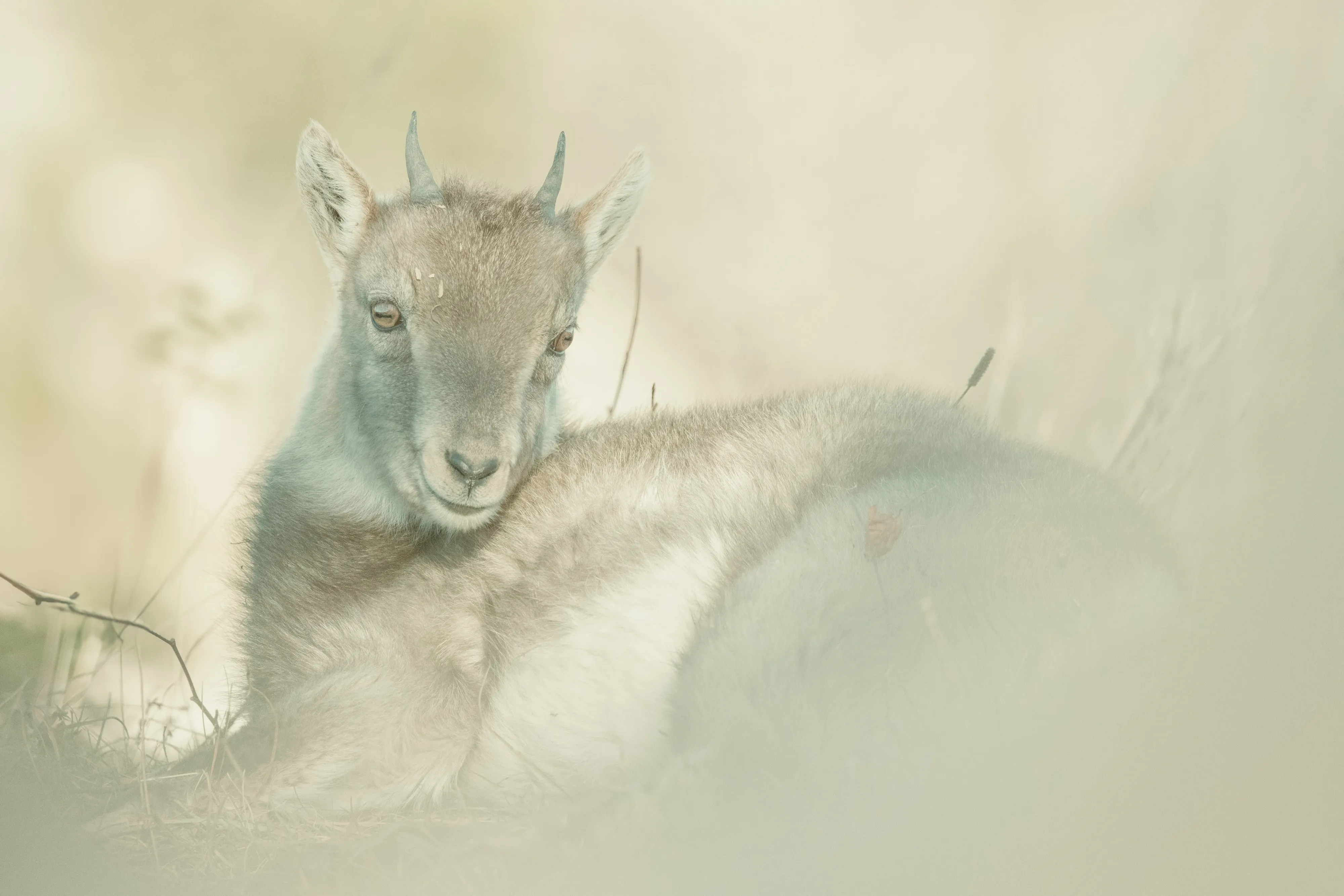
Ibex in Neuchâtel
Calm, approachable ibex on the limestone rim of the Jura, with room to slow down and build a portrait.
From CHF 1’490
View Tour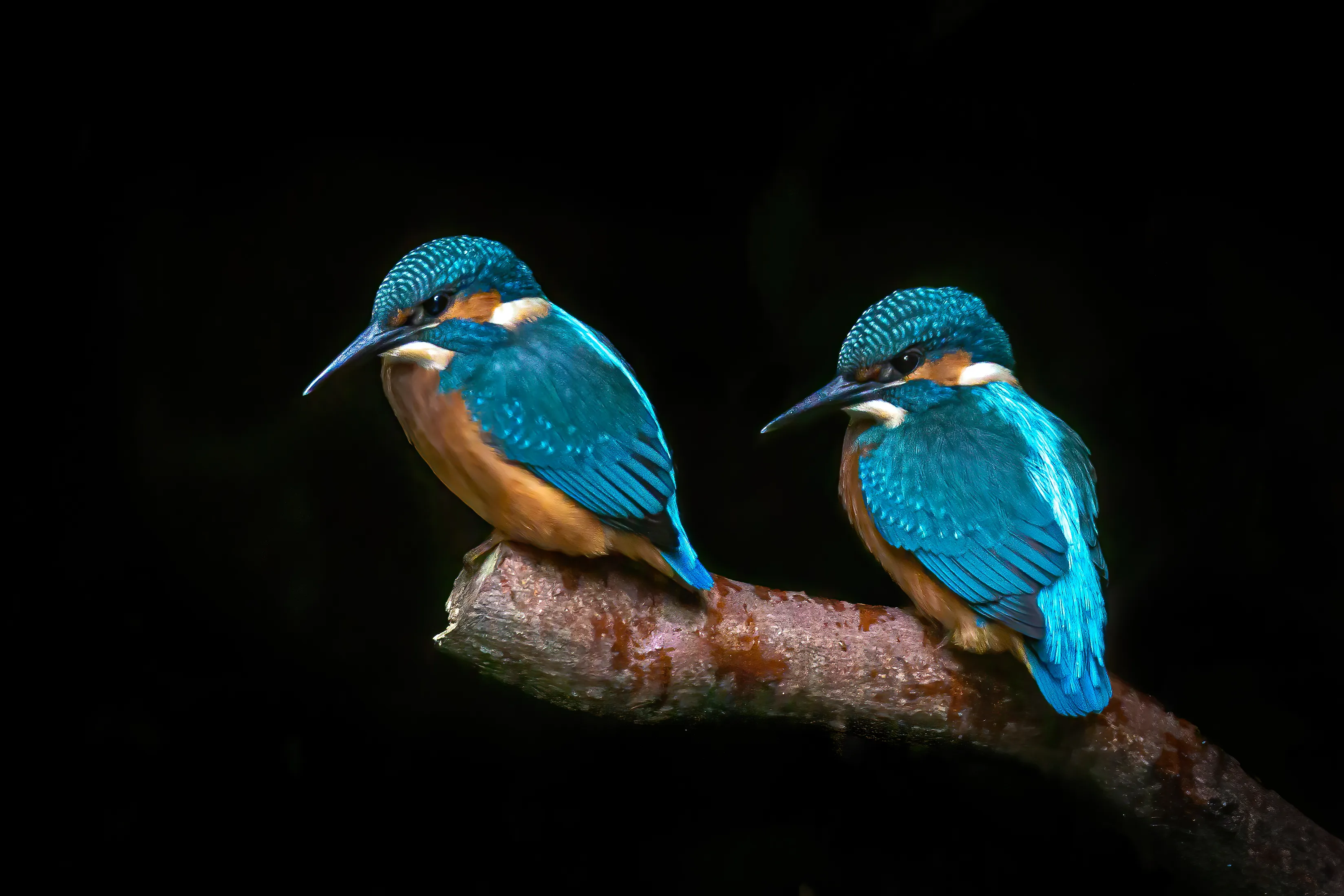
Kingfishers on Lake Neuchâtel
A day in a hide on the reed-fringed shore of Lake Neuchâtel, where kingfishers fish, dive and perch a few metres from the lens.
From CHF 1’490
View TourSwitzerland’s Best Views
Mountain landscapes from first light to last: lakes, ridgelines and the peaks everyone knows, from angles most people never see.
From CHF 1’490
View Tour