ToursLucerne
Beavers After Work
- Subject
- Eurasian Beaver Castor fiber
- Region
- Lucerne
- Best season
- Summer evenings, May to September
- Format
- Evening session, about 3 hours
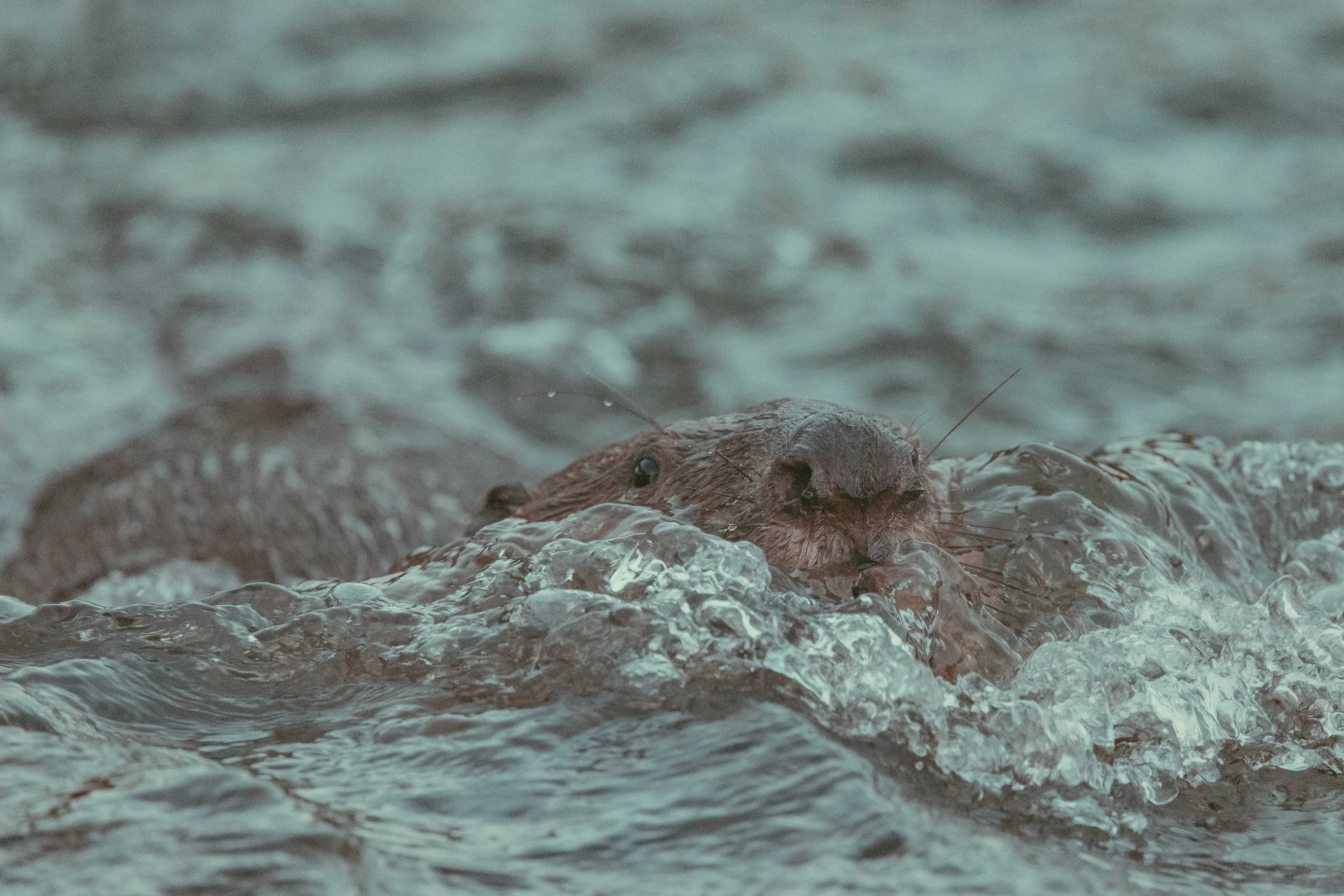
Finish work, drive twenty minutes, and sit quietly by a river as the light goes. Then a V-shaped ripple crosses the water and a beaver climbs out onto the bank in front of you. For an animal that was hunted out of Switzerland two centuries ago, it is remarkably easy to meet now, if you know where and when.
This is the tour for a weekday evening: no mountain, no early start, and some of the closest views of a large wild mammal you can get anywhere in the country.
The Animal
The Eurasian beaver is Europe’s largest rodent, up to around thirty kilos, and the only one that reshapes its own habitat: felling trees, damming side channels and digging burrows into the banks. Where beavers settle, kingfishers, dragonflies and amphibians follow.
They were hunted to extinction in Switzerland by the early nineteenth century, for fur, meat and castoreum. Between 1956 and 1977 a reintroduction programme released animals in several river systems, and they have spread slowly ever since. Today there are several thousand in the country, and the rivers and backwaters around Lucerne hold some of the most approachable.
The Evening
Beavers are creatures of dusk. We meet in the late afternoon, walk in quietly and settle at a spot where the animals have been active, downwind and low. The first ones usually appear as the sun drops behind the hills, and the next hour is the best of it: swimming, feeding on the bank, sometimes a youngster following a parent.
We stay until the light is gone. In spring and autumn the whole session fits between the end of work and dinner.
The Photography
This is low-light work, and good practice for it. We cover shutter speeds for a swimming animal, holding focus on a dark shape against reflections, using high ISO without fear, and composing with the water: ripples, reflections of the evening sky, the wake behind a head.
A fast lens helps. A 300mm or 400mm at f/4 or f/5.6 is ideal; a 70–200mm f/2.8 is often enough, because the animals come close.
How We Work Around Them
No flash, ever. We keep back from lodges and burrows, we do not block the bank the animals are using, and we leave the moment a beaver slaps its tail in alarm. Sitting still is the whole technique.
What We Go Looking For
- A beaver swimming through the reflected evening sky
- Feeding on the bank, close enough for the whiskers
- The tail slap
- Young animals following an adult
- Kingfishers and herons while we wait
What to Bring
- A 70–200mm f/2.8 or a 300–400mm lens; the faster the better
- A monopod or small tripod for the last of the light
- Dark, quiet clothing and boots that cope with wet grass
- Midge repellent in summer
Plan your eurasian beaver tour
Tell us when you would like to come and who is coming. We reply with a draft itinerary and exact pricing.
Keep Exploring
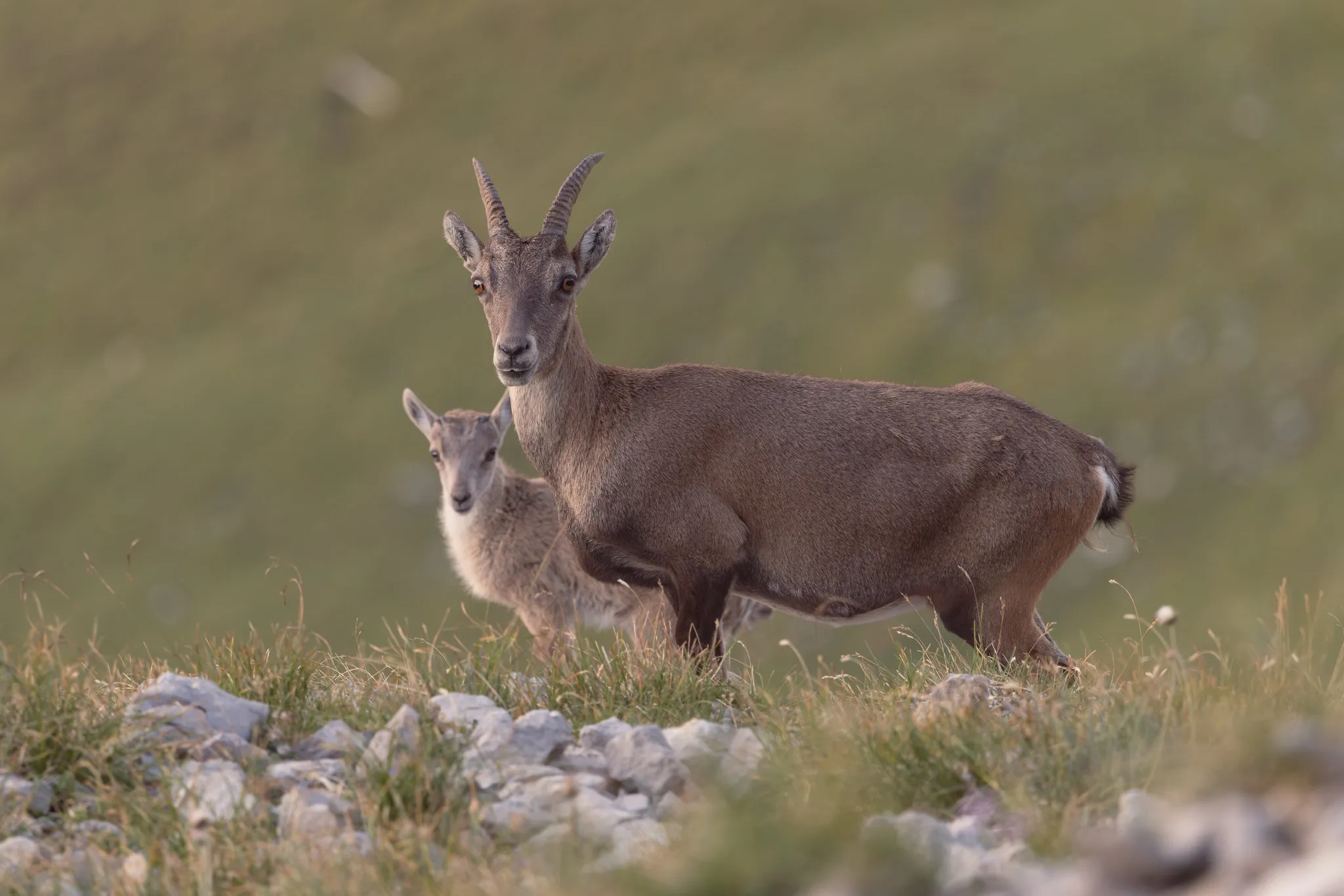
Chamois and Ibex on Pilatus
A wildlife photography day on Pilatus: ibex on the limestone ridges, chamois on the slopes, and Lake Lucerne far below.
From CHF 890
View Tour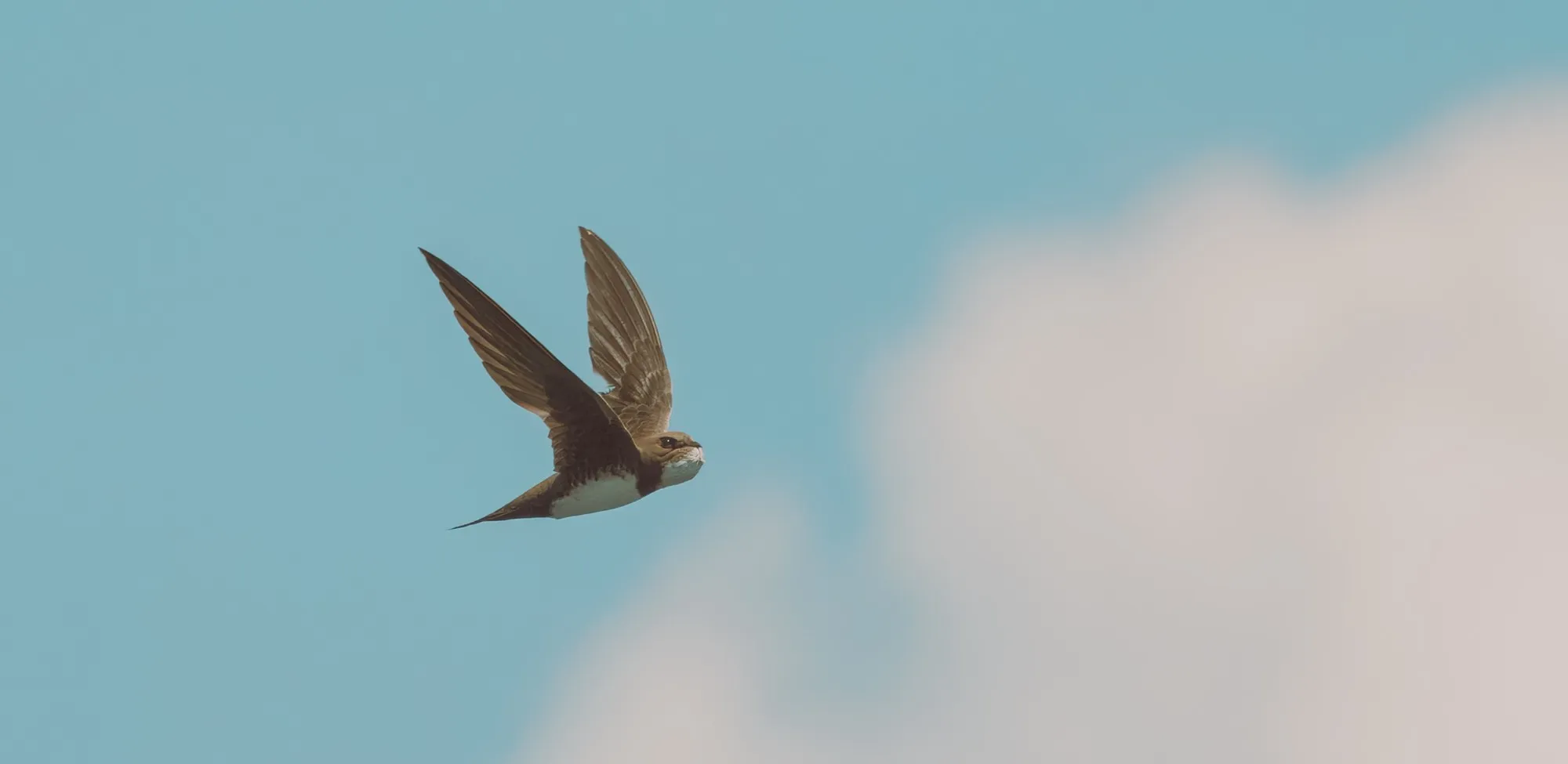
Alpine Swifts in Lucerne
The fastest wildlife in the city: a summer workshop on photographing alpine swifts as they scream around Lucerne’s towers.
From CHF 490
View Tour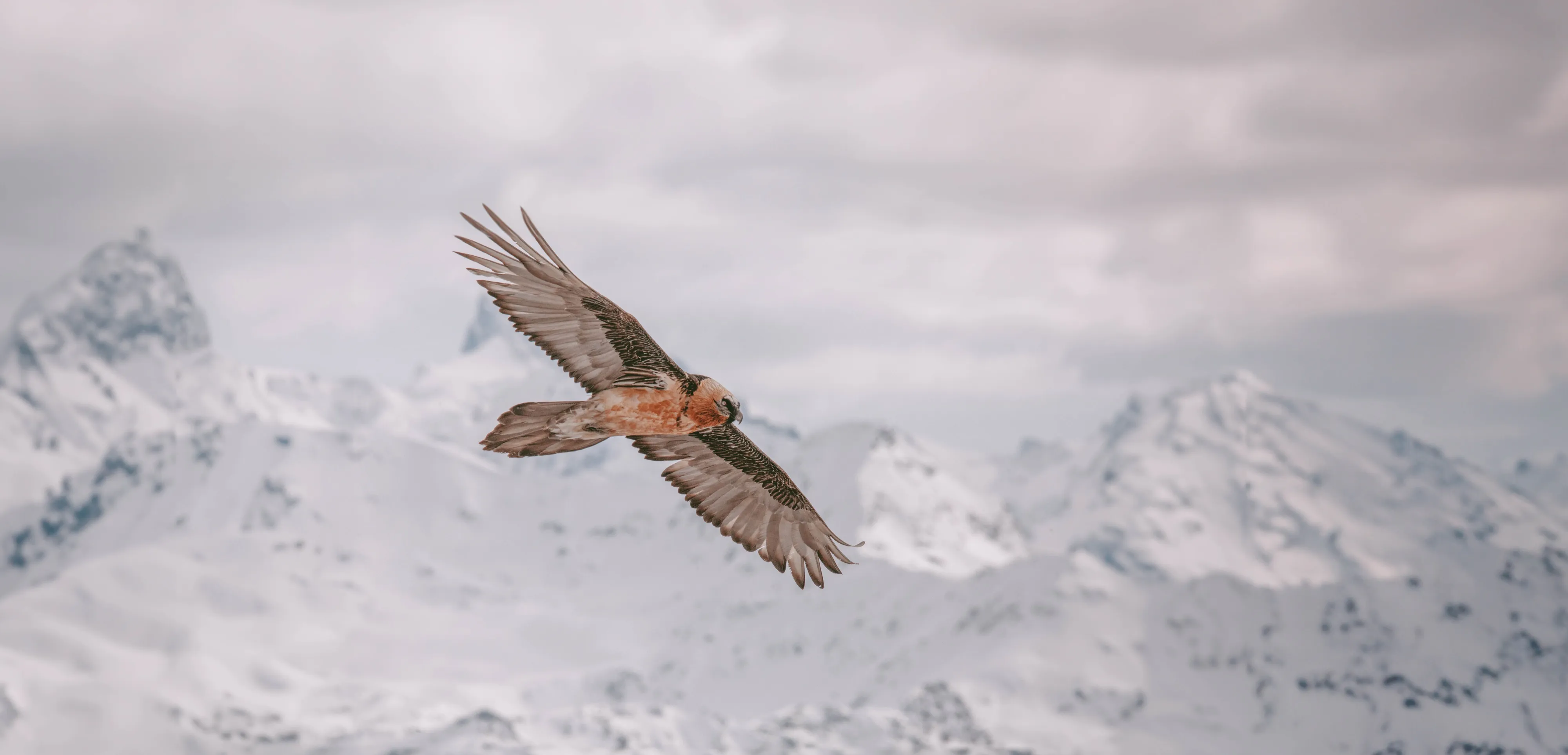
Bearded Vultures in Valais
Eye-level passes from the largest bird in the Alps, against snow, rock and winter light.
From CHF 1’590
View Tour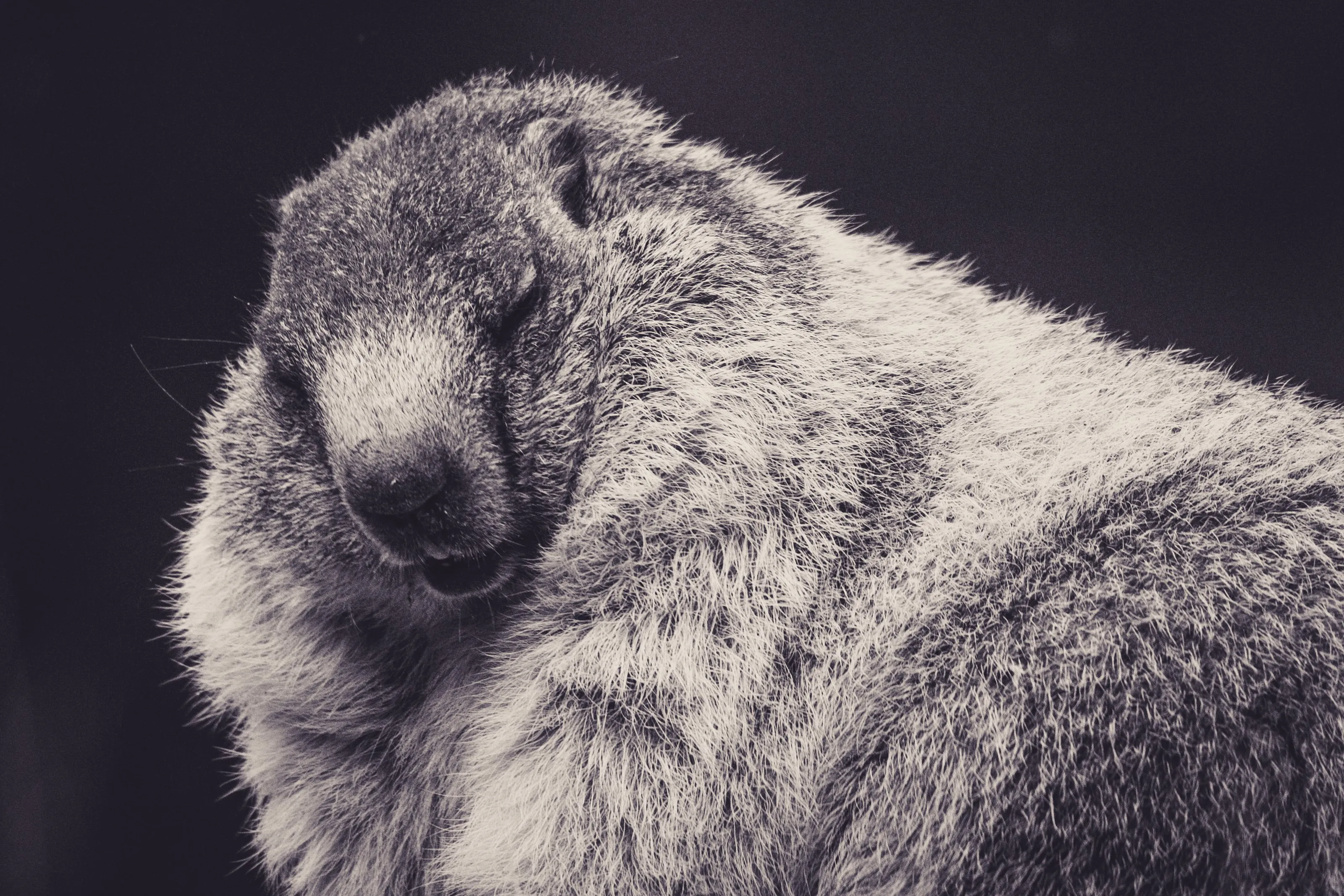
Marmots in Valais
A summer morning on an alpine meadow in Valais with a colony of marmots: whistles, wrestling, greetings nose to nose, and the kind of close views that only come from lying still in the grass.
From CHF 890
View Tour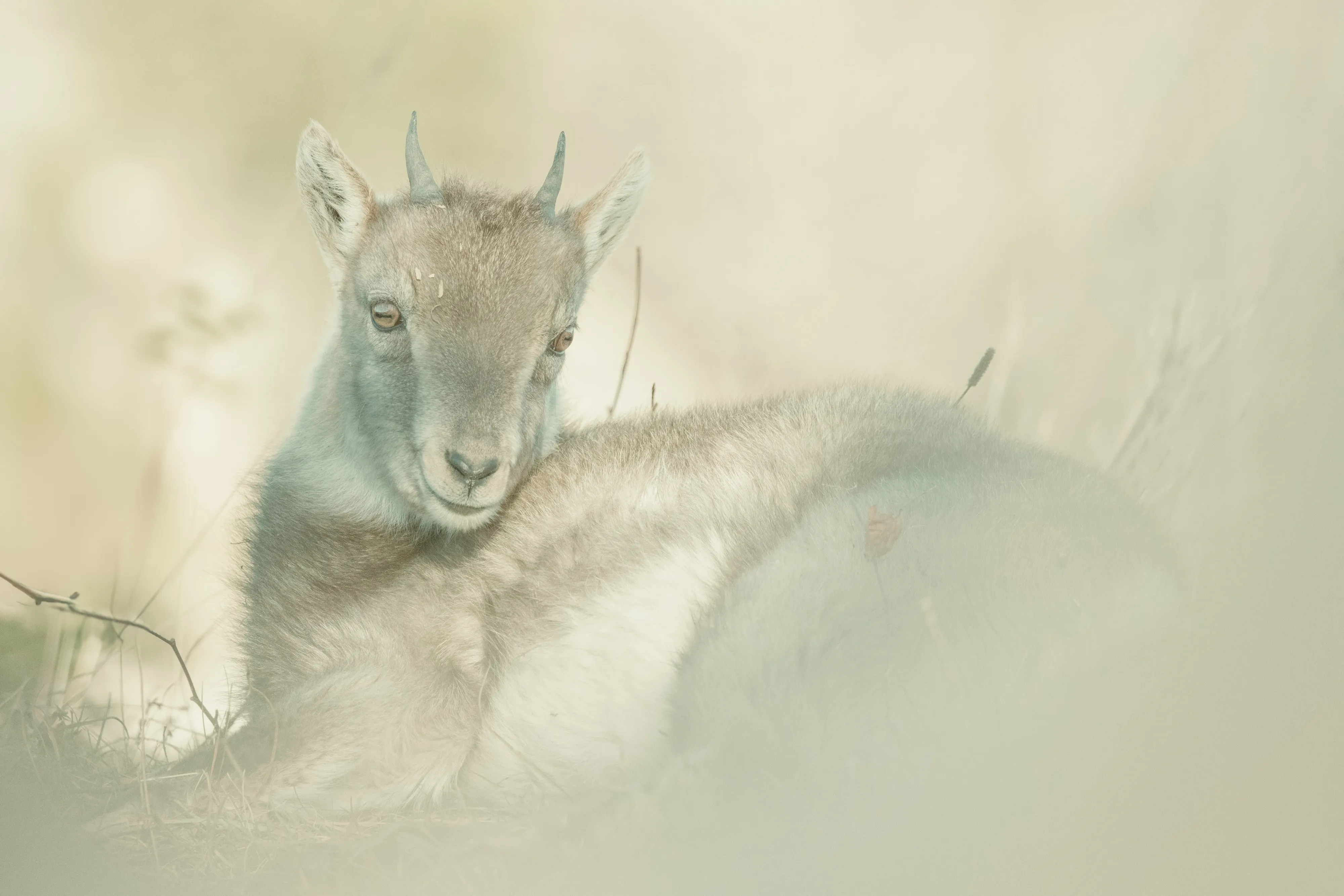
Ibex in Neuchâtel
Calm, approachable ibex on the limestone rim of the Jura, with room to slow down and build a portrait.
From CHF 1’490
View Tour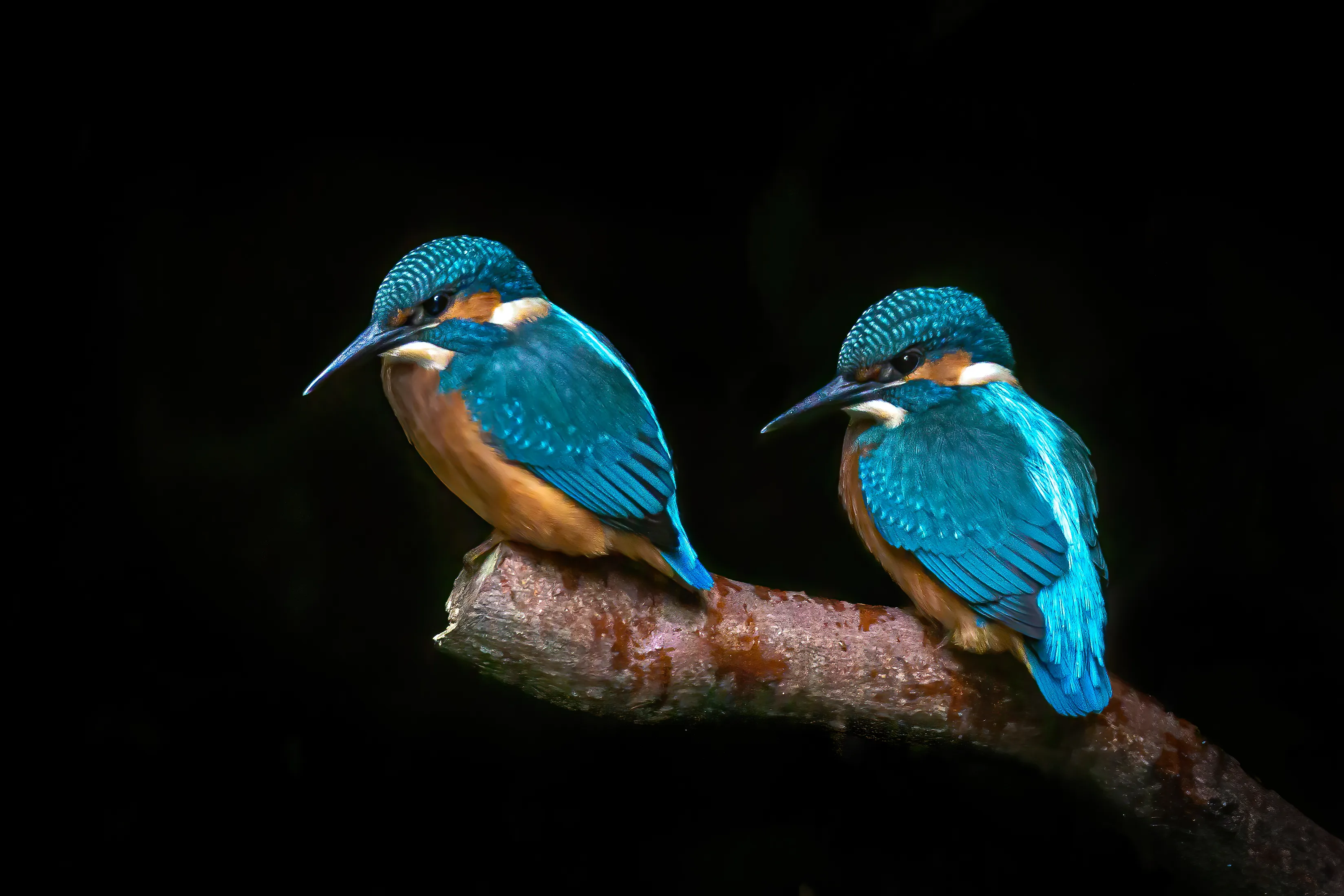
Kingfishers on Lake Neuchâtel
A day in a hide on the reed-fringed shore of Lake Neuchâtel, where kingfishers fish, dive and perch a few metres from the lens.
From CHF 1’490
View Tour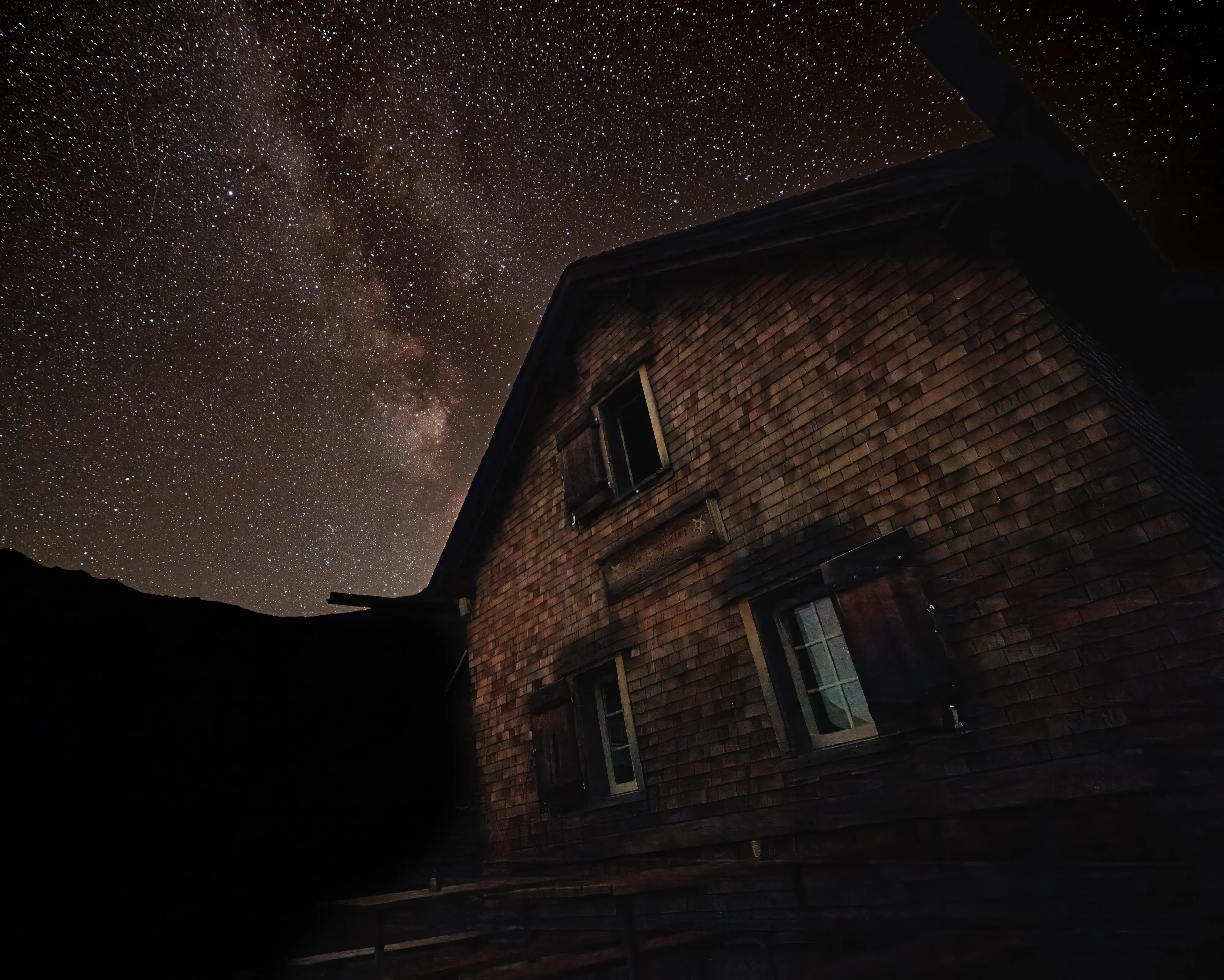
Switzerland’s Best Views
Mountain landscapes from first light to last: lakes, ridgelines and the peaks everyone knows, from angles most people never see.
From CHF 1’490
View Tour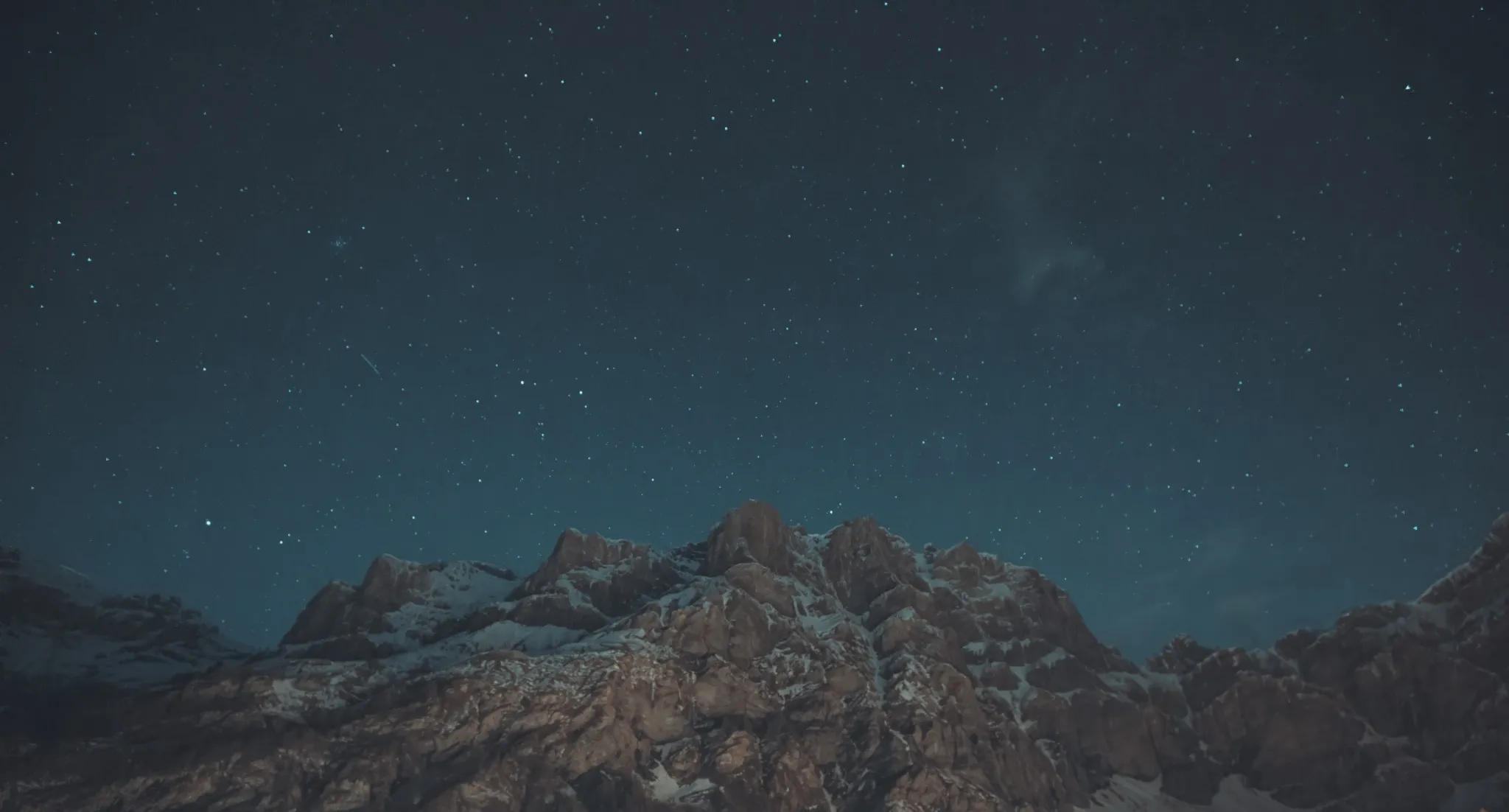
Milky Way Over the Alps
The Milky Way over the high peaks, from a dark viewpoint chosen for the night, with the whole night to get it right.
From CHF 3’000
View Tour