ToursLake Neuchâtel
Kingfishers on Lake Neuchâtel
- Subject
- Kingfisher Alcedo atthis
- Region
- Lake Neuchâtel
- Best season
- Spring to autumn, March to October
- Format
- Full day, private
There is a flash of blue, a splash, and a bird back on its perch with a fish before you have moved the camera. The kingfisher is the most photographed bird in Europe and still the hardest to photograph well, because everything happens in a second and a half.
On the reed beds and backwaters of Lake Neuchâtel we have the time, the hide and the perches to make that second and a half count. This is a sit-and-wait day: slow, quiet, and often the most productive day of the year for the memory card.
The Bird
The common kingfisher is a sparrow-sized bird with the colours of a tropical one: electric blue back, orange breast, a dagger of a bill. It fishes by dropping from a perch into shallow water, sometimes hovering first, and brings its catch back to beat it against the branch before swallowing it head first.
Pairs hold short stretches of bank and dig nest burrows into earth cliffs. A good year brings two or three broods between April and August, which is when the activity at a perch is at its busiest and the young, duller birds start fishing for themselves.
The Day
We are in the hide before the light is good and we stay through the morning, with a break when the birds take one. The afternoon is for a second session or, if the morning delivered, for the lake’s other residents: grebes, herons, reed warblers and, on a lucky day, a beaver.
The hide is set on a stretch of shore the birds use every day. Perches are placed for the light and the background; the rest is patience.
The Photography
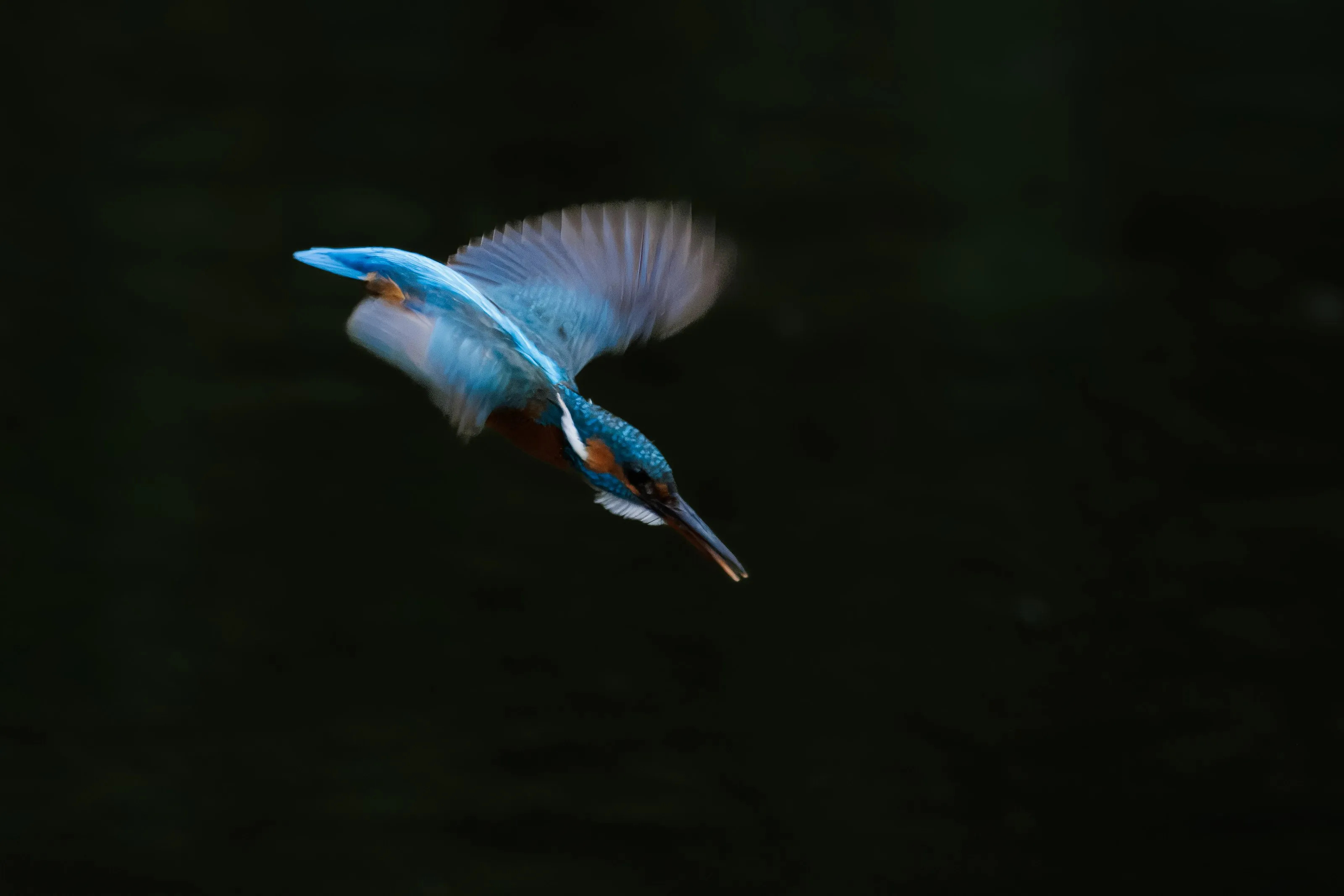
Three pictures to go for: the perched portrait, the dive, and the return with a fish. The portrait is straightforward once the bird settles. The dive is the test: pre-focusing on the water, a fast shutter, a burst, and knowing when the bird is about to go.
A 400mm to 600mm lens is ideal from the hide, though 300mm works at the closer perches. A tripod or beanbag and a fast shutter, 1/3200 s and up, for the splash.
How We Work Around Them
The hide is the point: the birds carry on as if nobody were there. We never go near a nest burrow, we do not use bait fish, and we leave the shore as quietly as we arrived.
What We Go Looking For
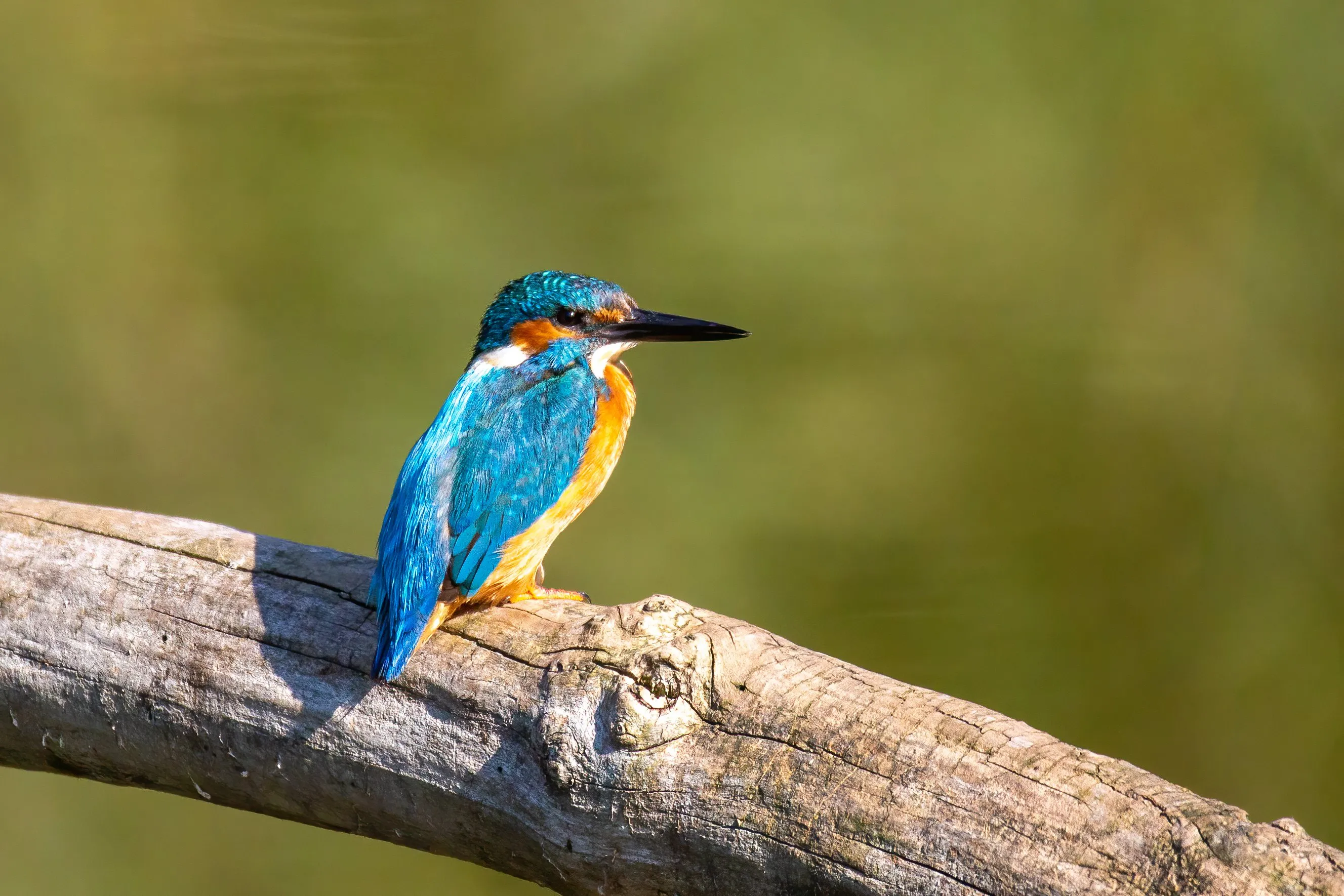
- The perched portrait, blue on a dark background
- The moment of the dive
- Surfacing with the fish
- Beating the catch on the branch
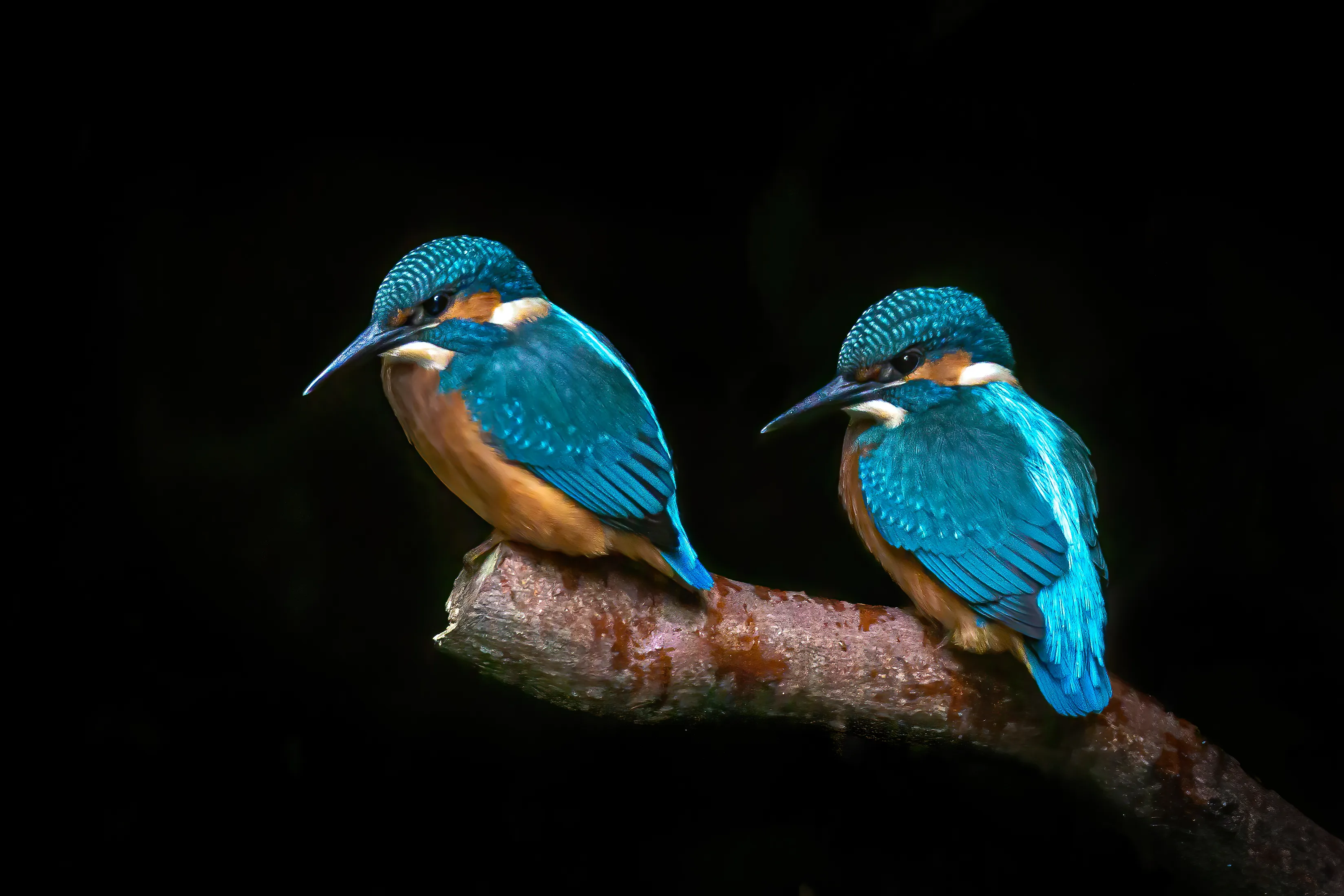
- Two birds on one perch
What to Bring
- A 400–600mm lens, or a 300mm for the near perches
- A tripod with a gimbal or fluid head, or a beanbag
- A camera that shoots at ten frames a second or more
- Warm layers; a hide is cold even in summer at dawn
Plan your kingfisher tour
Tell us when you would like to come and who is coming. We reply with a draft itinerary and exact pricing.
Keep Exploring
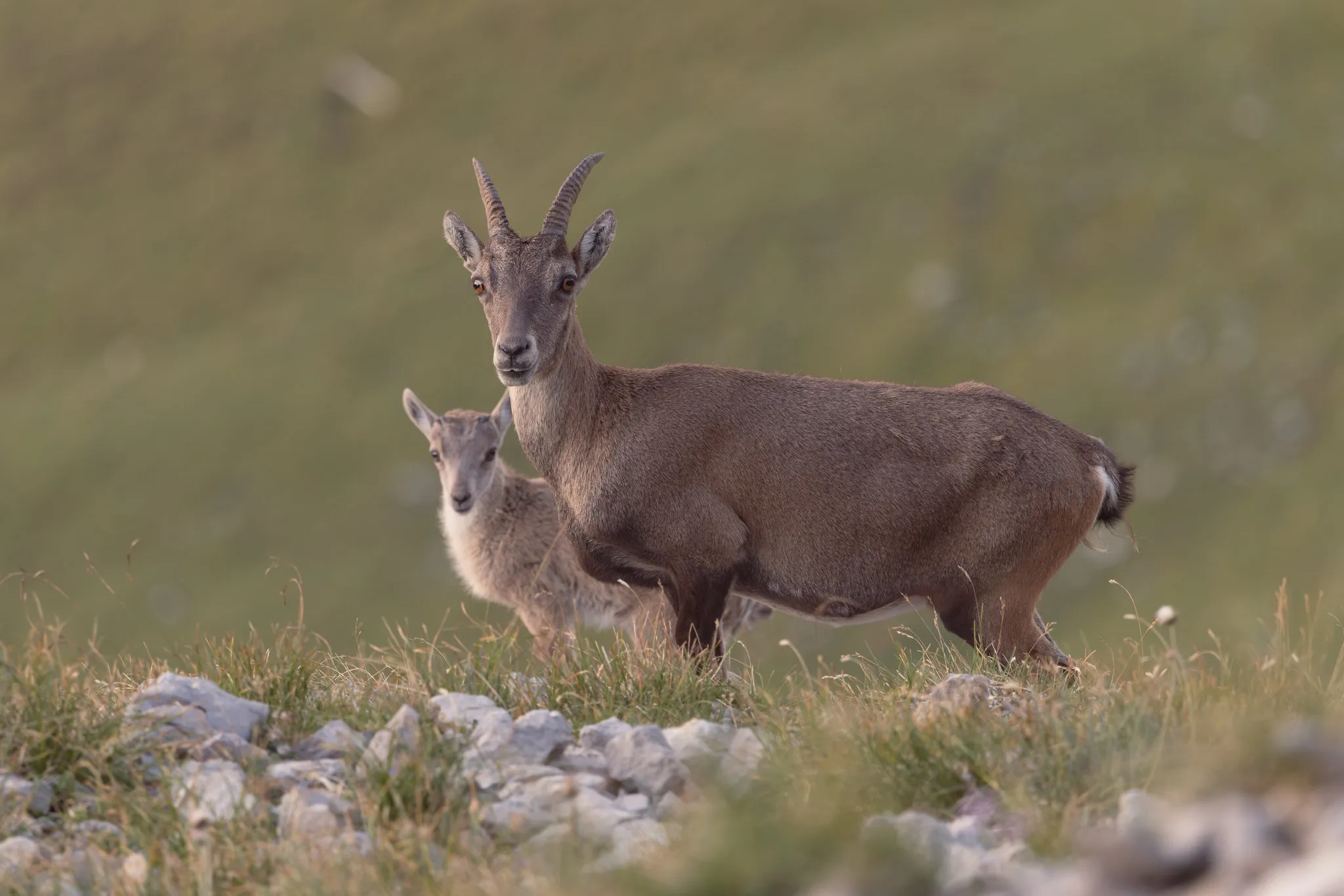
Chamois and Ibex on Pilatus
A wildlife photography day on Pilatus: ibex on the limestone ridges, chamois on the slopes, and Lake Lucerne far below.
From CHF 890
View Tour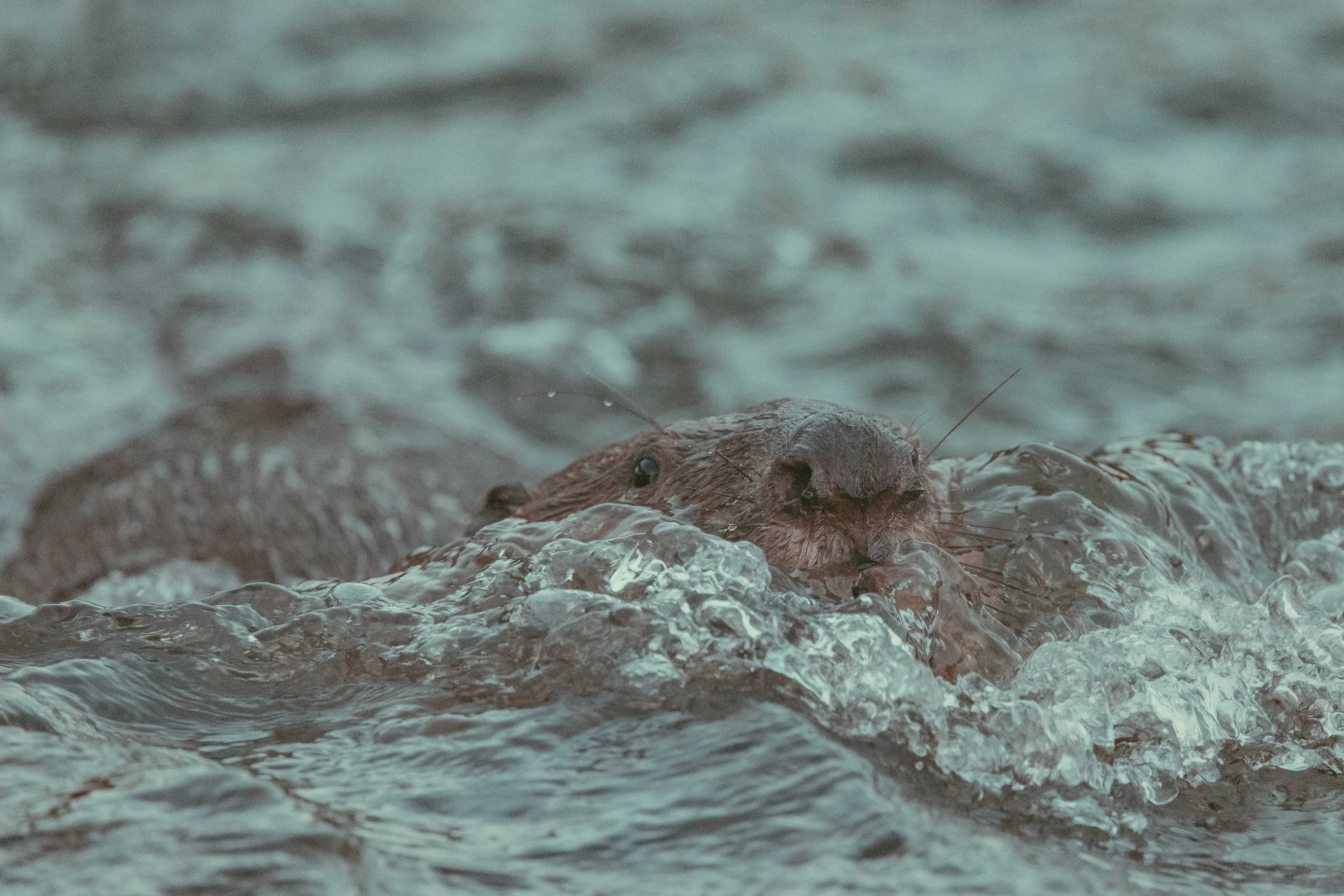
Beavers After Work
An evening by the water with an animal that was gone from Switzerland for a century and is now back on Lucerne’s doorstep.
From CHF 490
View Tour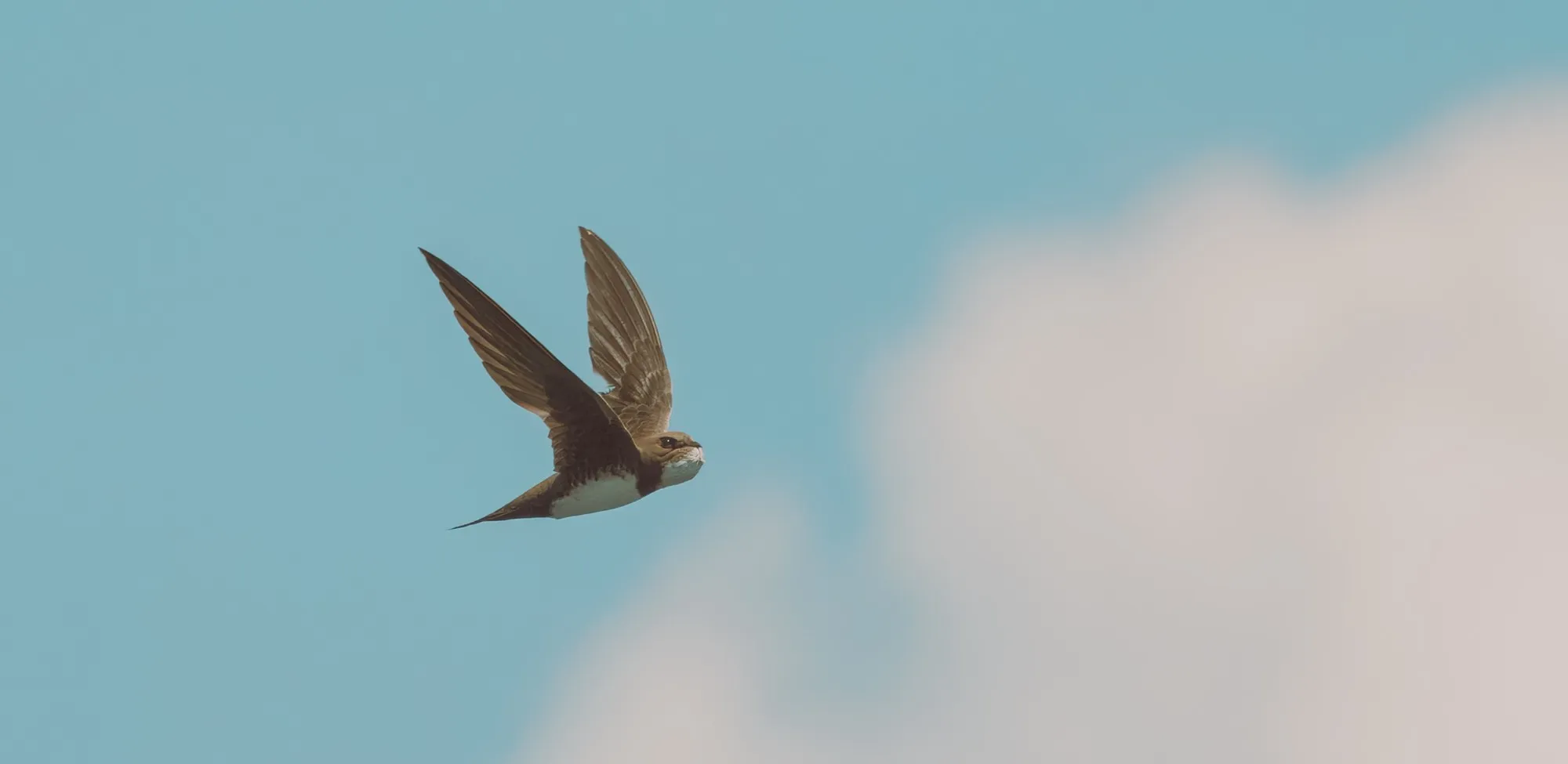
Alpine Swifts in Lucerne
The fastest wildlife in the city: a summer workshop on photographing alpine swifts as they scream around Lucerne’s towers.
From CHF 490
View Tour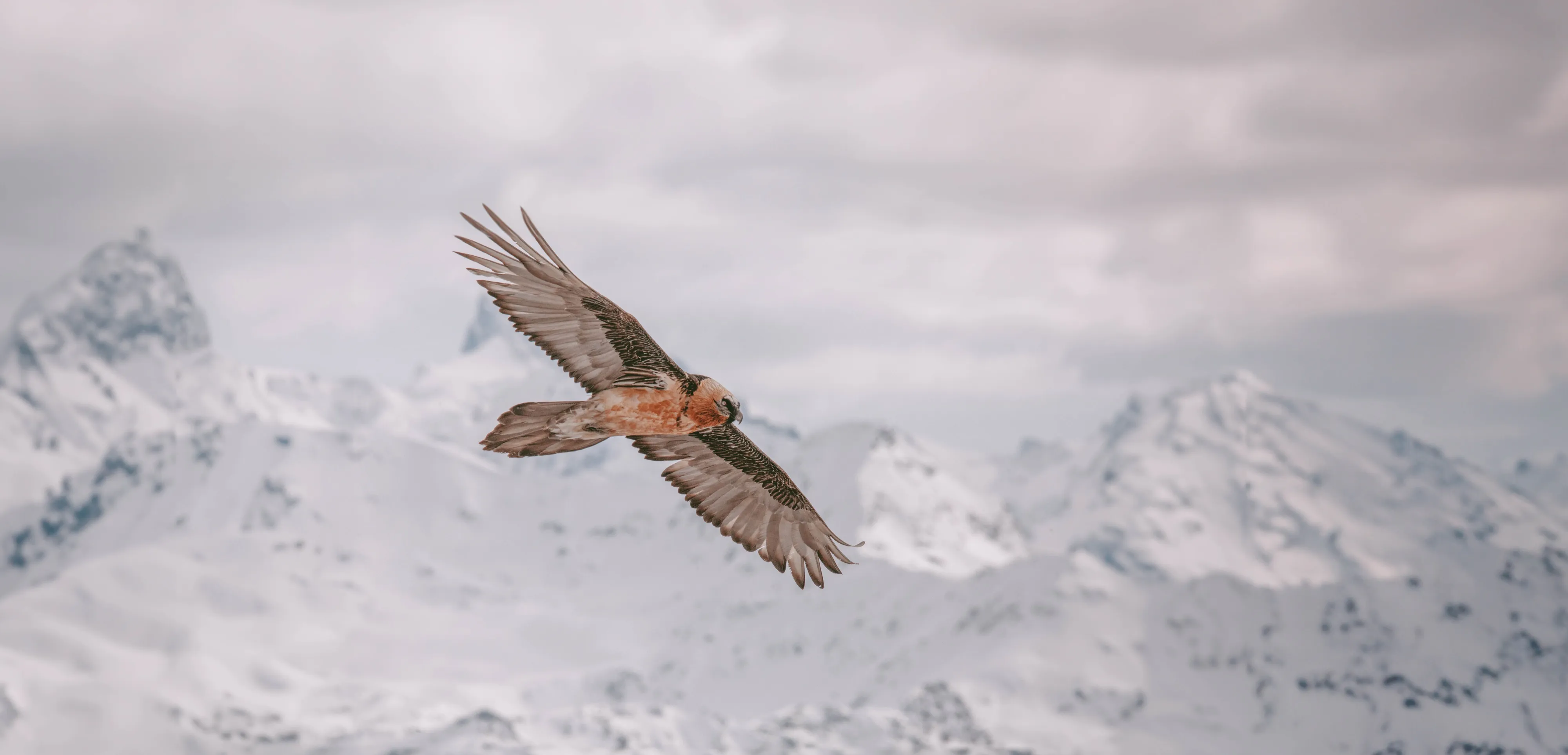
Bearded Vultures in Valais
Eye-level passes from the largest bird in the Alps, against snow, rock and winter light.
From CHF 1’590
View Tour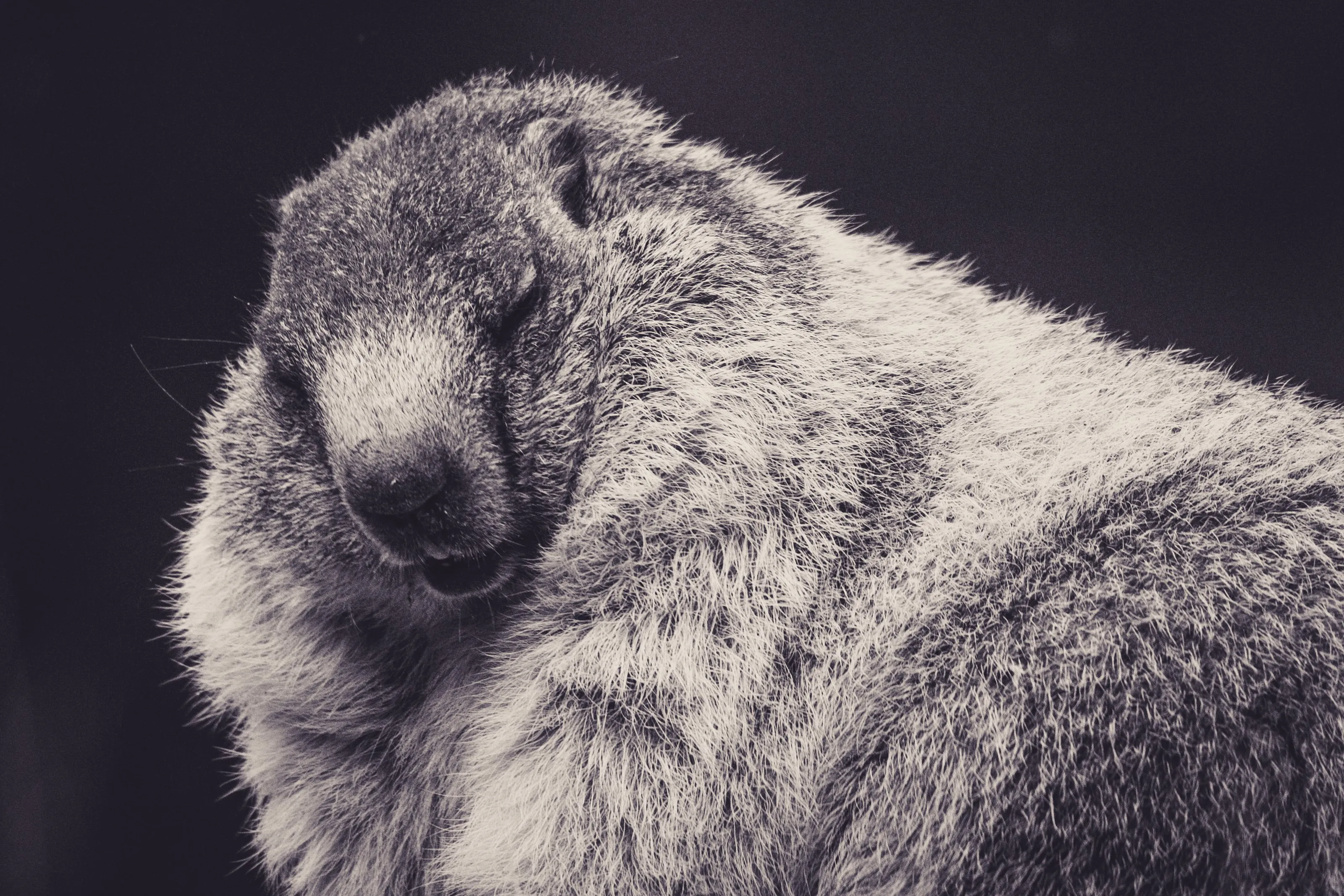
Marmots in Valais
A summer morning on an alpine meadow in Valais with a colony of marmots: whistles, wrestling, greetings nose to nose, and the kind of close views that only come from lying still in the grass.
From CHF 890
View Tour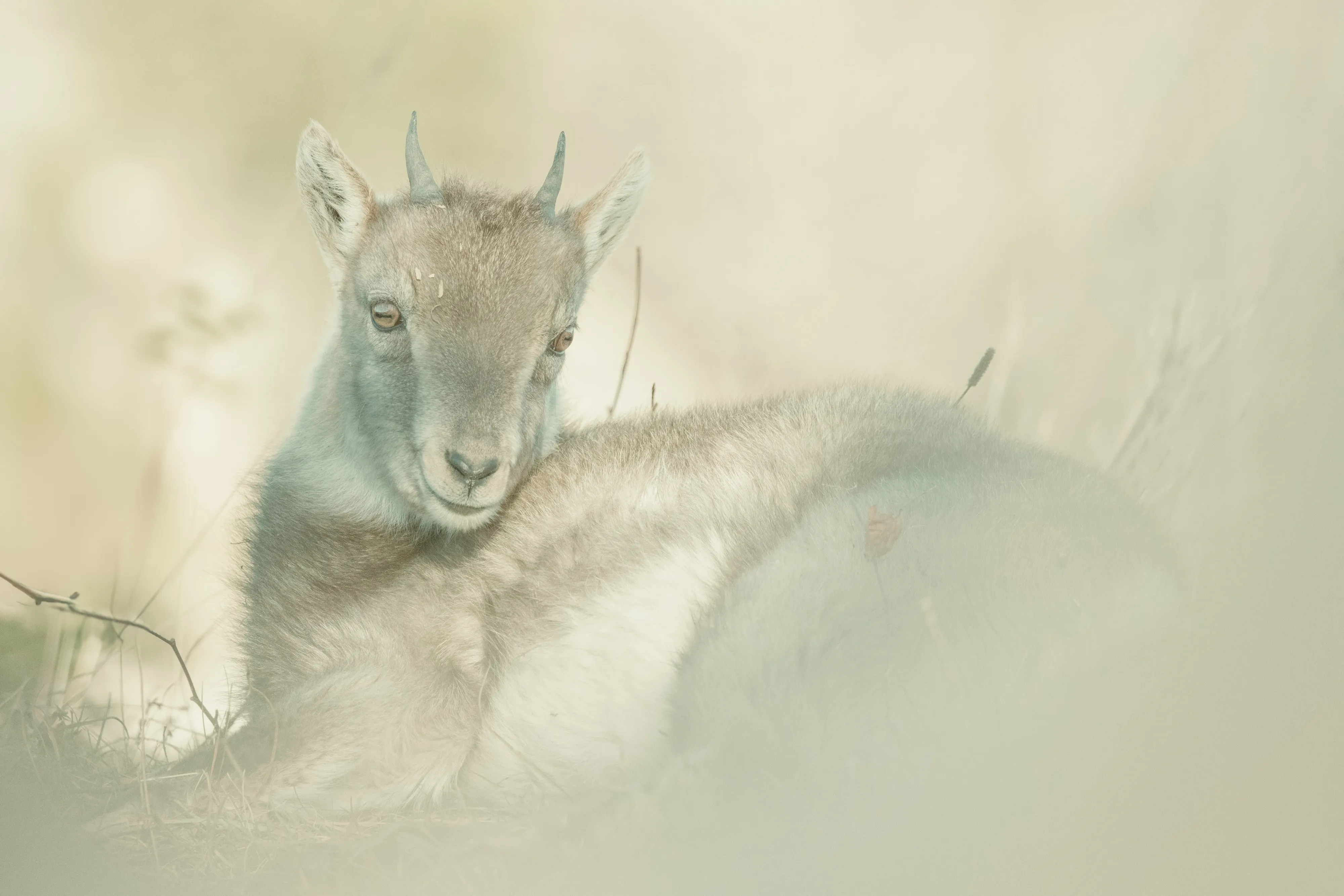
Ibex in Neuchâtel
Calm, approachable ibex on the limestone rim of the Jura, with room to slow down and build a portrait.
From CHF 1’490
View Tour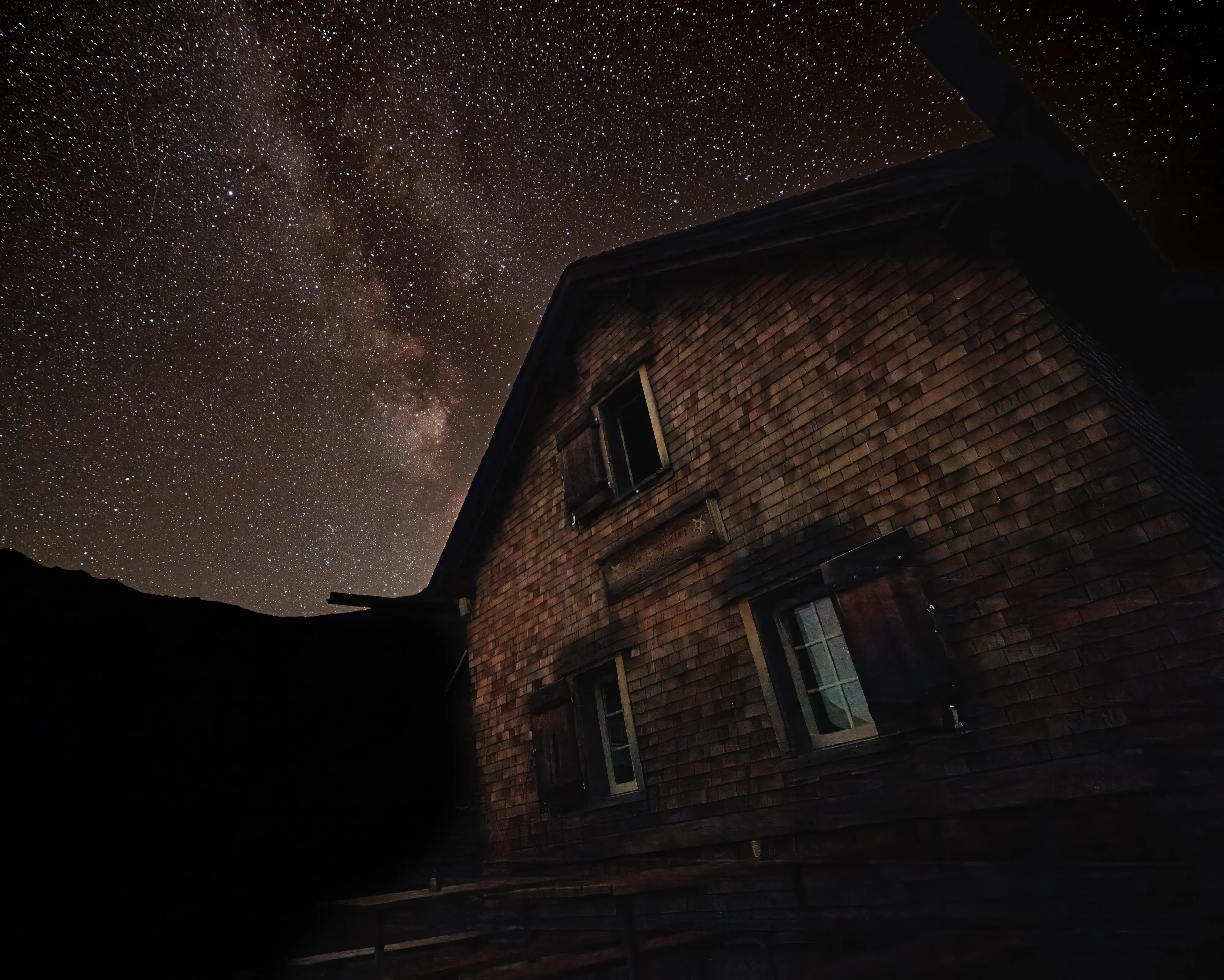
Switzerland’s Best Views
Mountain landscapes from first light to last: lakes, ridgelines and the peaks everyone knows, from angles most people never see.
From CHF 1’490
View Tour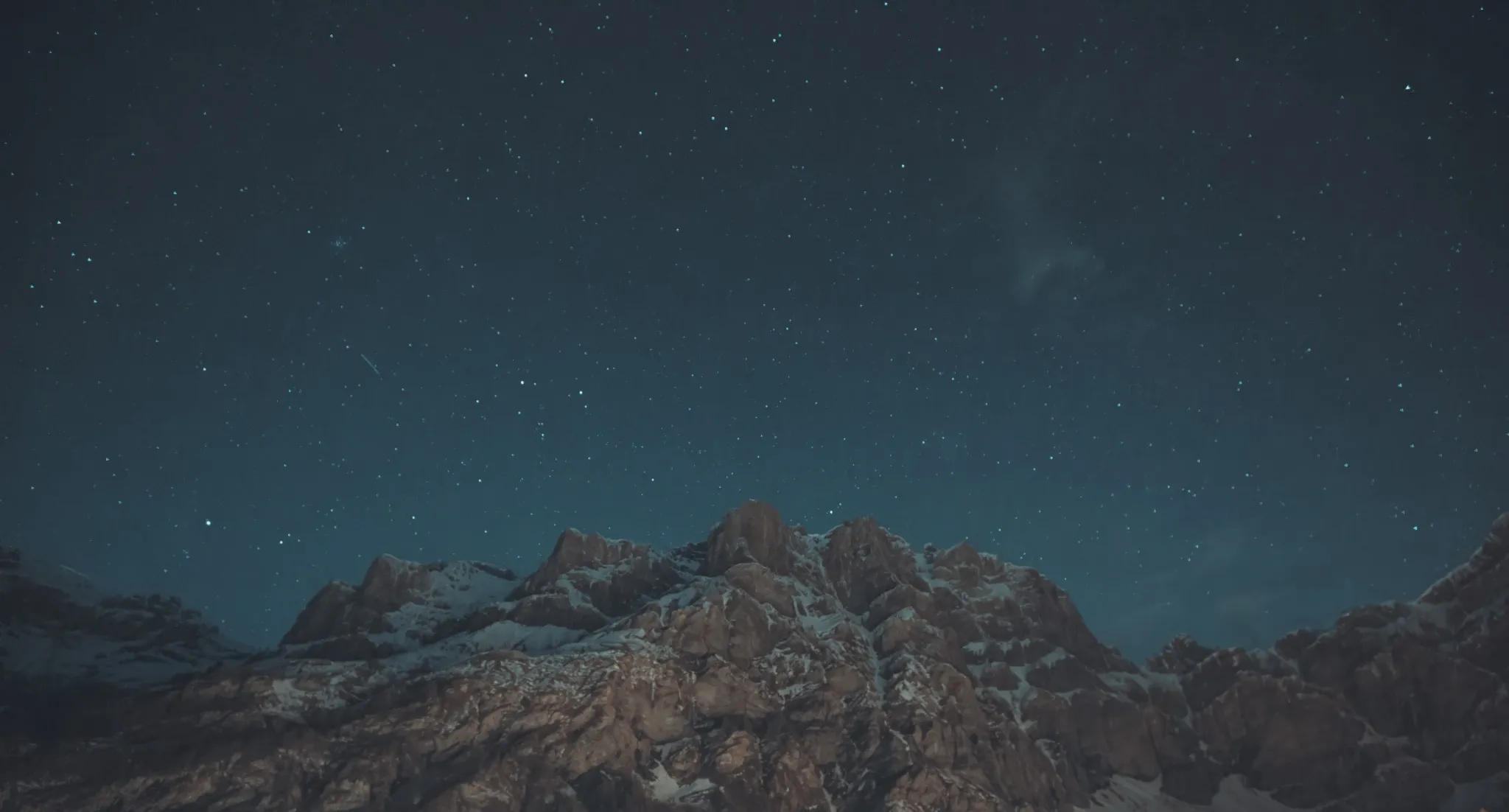
Milky Way Over the Alps
The Milky Way over the high peaks, from a dark viewpoint chosen for the night, with the whole night to get it right.
From CHF 3’000
View Tour