ToursValais
Marmots in Valais
- Subject
- Alpine Marmot Marmota marmota
- Region
- Valais
- Best season
- Summer, May to September
- Format
- Half day, private
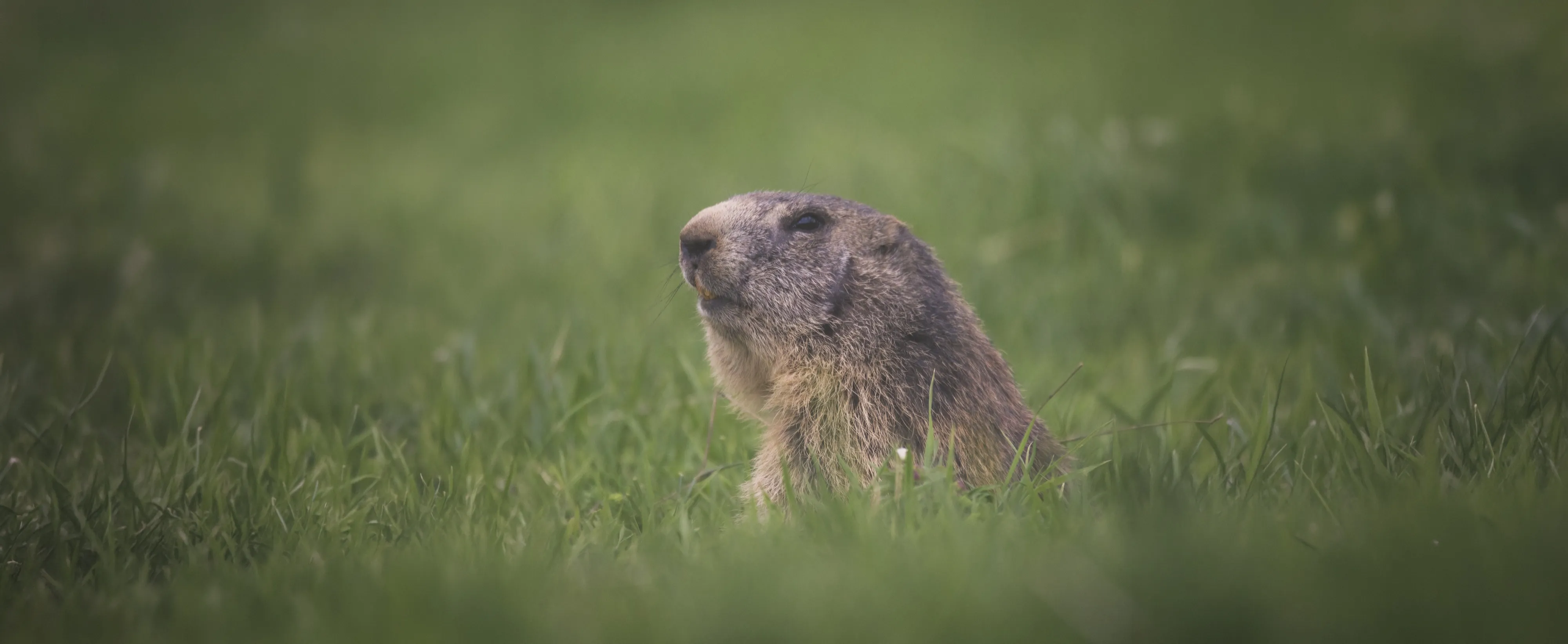
A sharp whistle, and every head on the meadow goes up. Then the all-clear, and the colony goes back to feeding, wrestling and sunbathing on the burrow mounds as if you were a rock. Marmots are the most watchable mammal in the Alps, and in the right place the most approachable.
This is a gentle half day above the valley, mostly lying in the grass at marmot height, with the big Valais peaks behind. It suits beginners, children who can keep still, and anyone who wants a full card without a long walk.
The Animal
The alpine marmot is a large ground squirrel, up to eight kilos by the end of summer, that lives in family colonies on meadows between about 1,500 and 3,000 metres. It spends six months of the year underground in hibernation, so the summer is busy: feeding hard, raising the year’s young, and keeping watch for eagles.
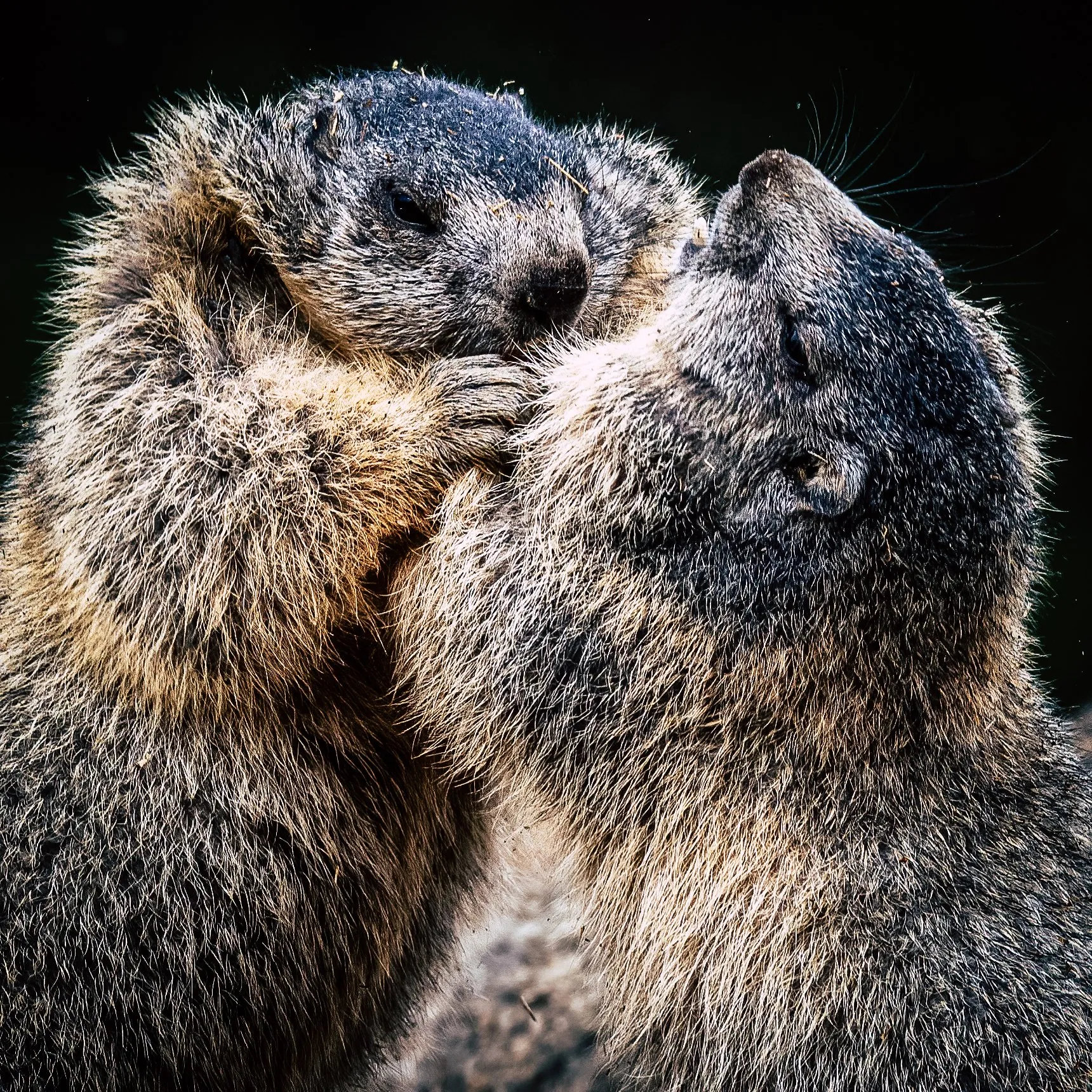
Colonies that see walkers every day lose their fear, which is what makes the pictures possible. The whistle is an alarm, not a greeting, and the nose-to-nose touch between family members is the shot everyone wants.
The Morning
We meet early and are on the meadow by the time the colony comes up to feed. We choose a spot downwind, settle low and let the animals come to us. Most of the half day is spent within twenty metres of the burrows, moving rarely and slowly.
By late morning the marmots retreat from the heat and so do we, with the option of a mountain restaurant on the way down.
The Photography
Ground-level work. We cover getting the camera down to eye level, isolating an animal against the out-of-focus meadow, catching the greeting and the wrestling, and using the peaks as a backdrop with a wider lens.
A 300mm or 400mm lens is ideal, but a 100–400mm zoom covers everything from portraits to animals in the landscape. A beanbag is more useful than a tripod.
How We Work Around Them
We never feed the animals, however tame they seem, and we keep off the burrow mounds. If the colony stays on alert, we back off and try another group. The meadow is their home for a short season; we are visitors.
What We Go Looking For
- Two marmots greeting nose to nose
- A sentry sitting up on the mound
- Young animals wrestling
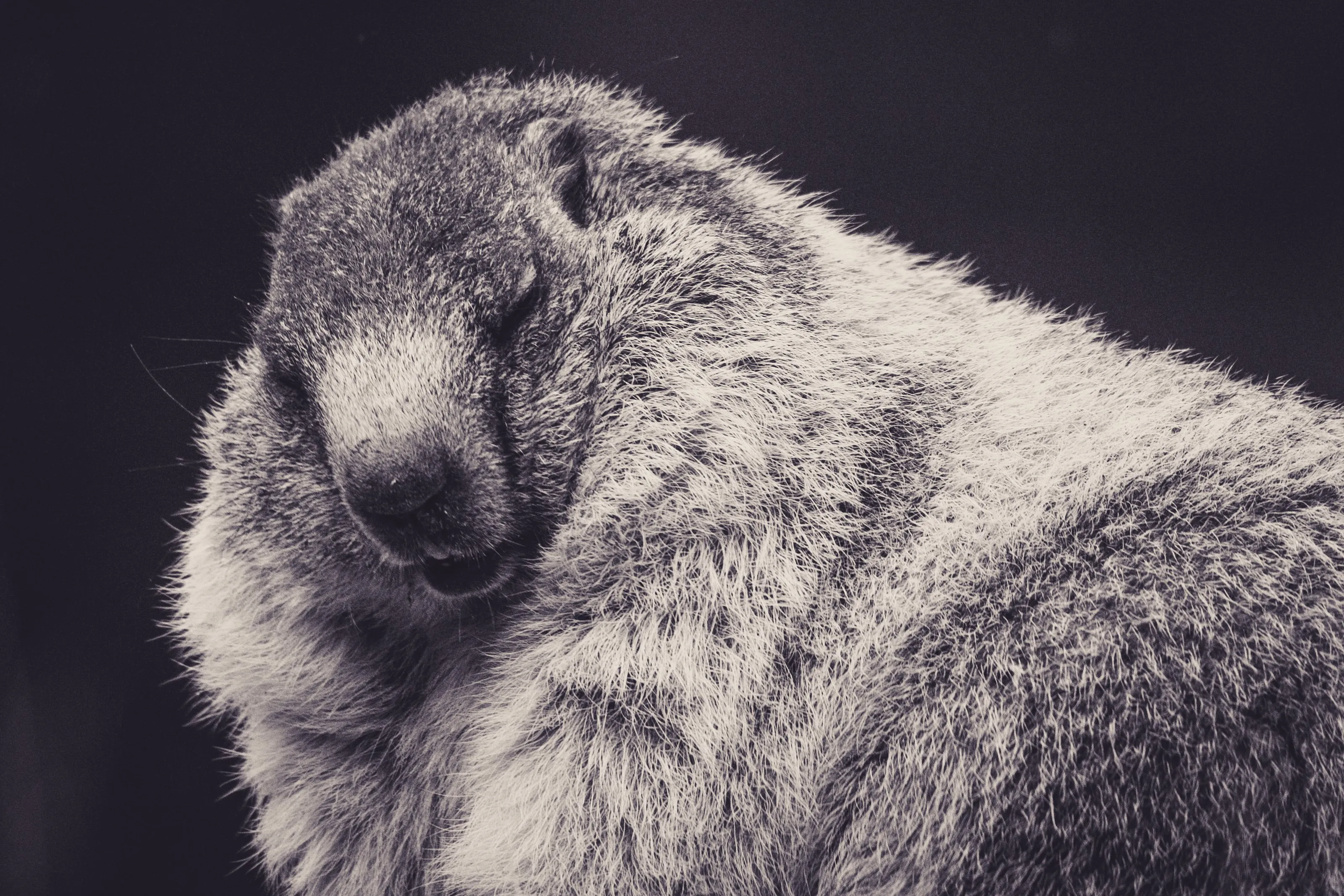
- The close, grass-level portrait
- A marmot small in the landscape, peaks behind
What to Bring
- A 300–400mm lens or a 100–400mm zoom
- A beanbag or a camera you are happy to rest on the grass
- Sun protection and water; the meadows are high and open
- Something waterproof to lie on
Plan your alpine marmot tour
Tell us when you would like to come and who is coming. We reply with a draft itinerary and exact pricing.
Keep Exploring
Chamois and Ibex on Pilatus
A wildlife photography day on Pilatus: ibex on the limestone ridges, chamois on the slopes, and Lake Lucerne far below.
From CHF 890
View Tour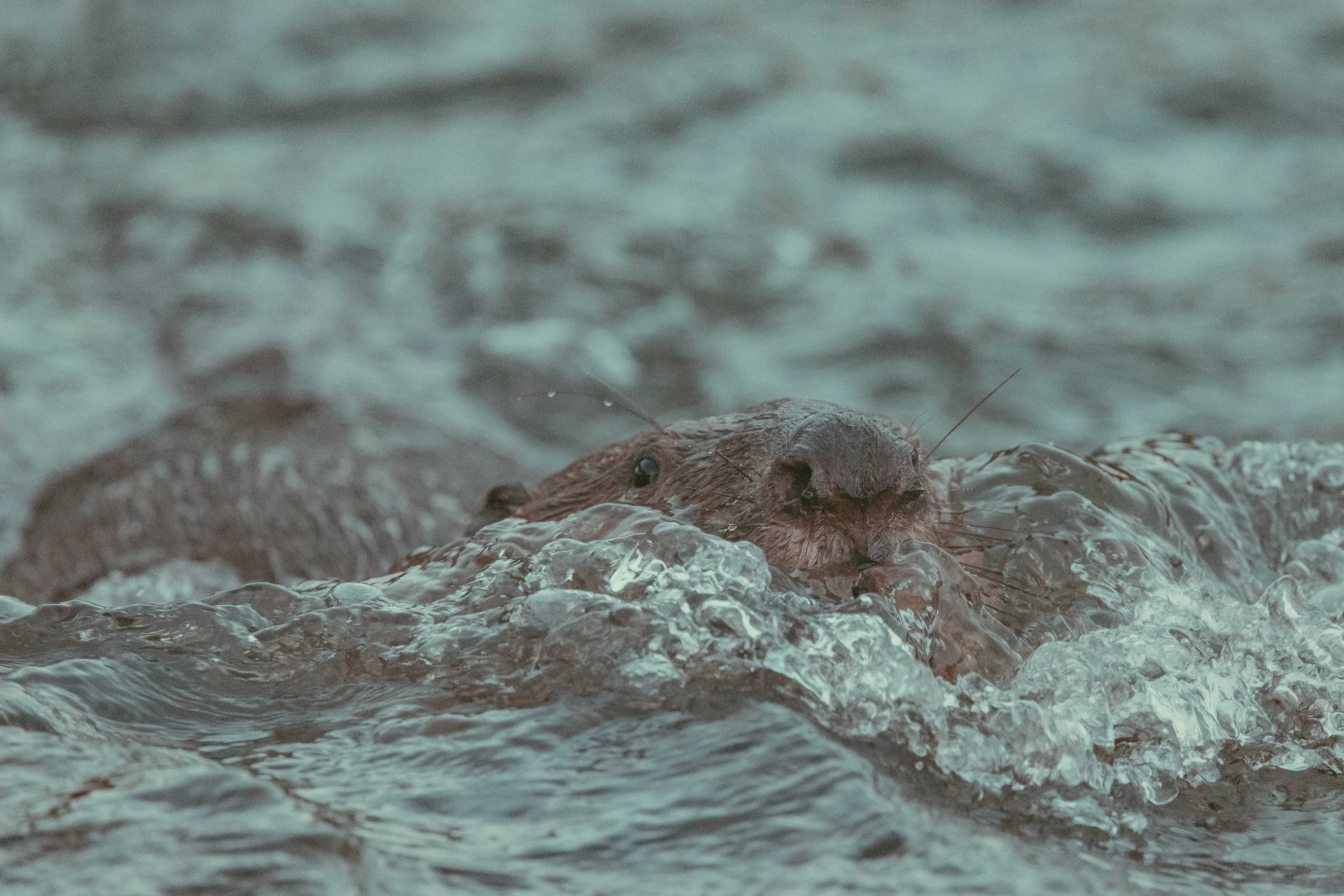
Beavers After Work
An evening by the water with an animal that was gone from Switzerland for a century and is now back on Lucerne’s doorstep.
From CHF 490
View Tour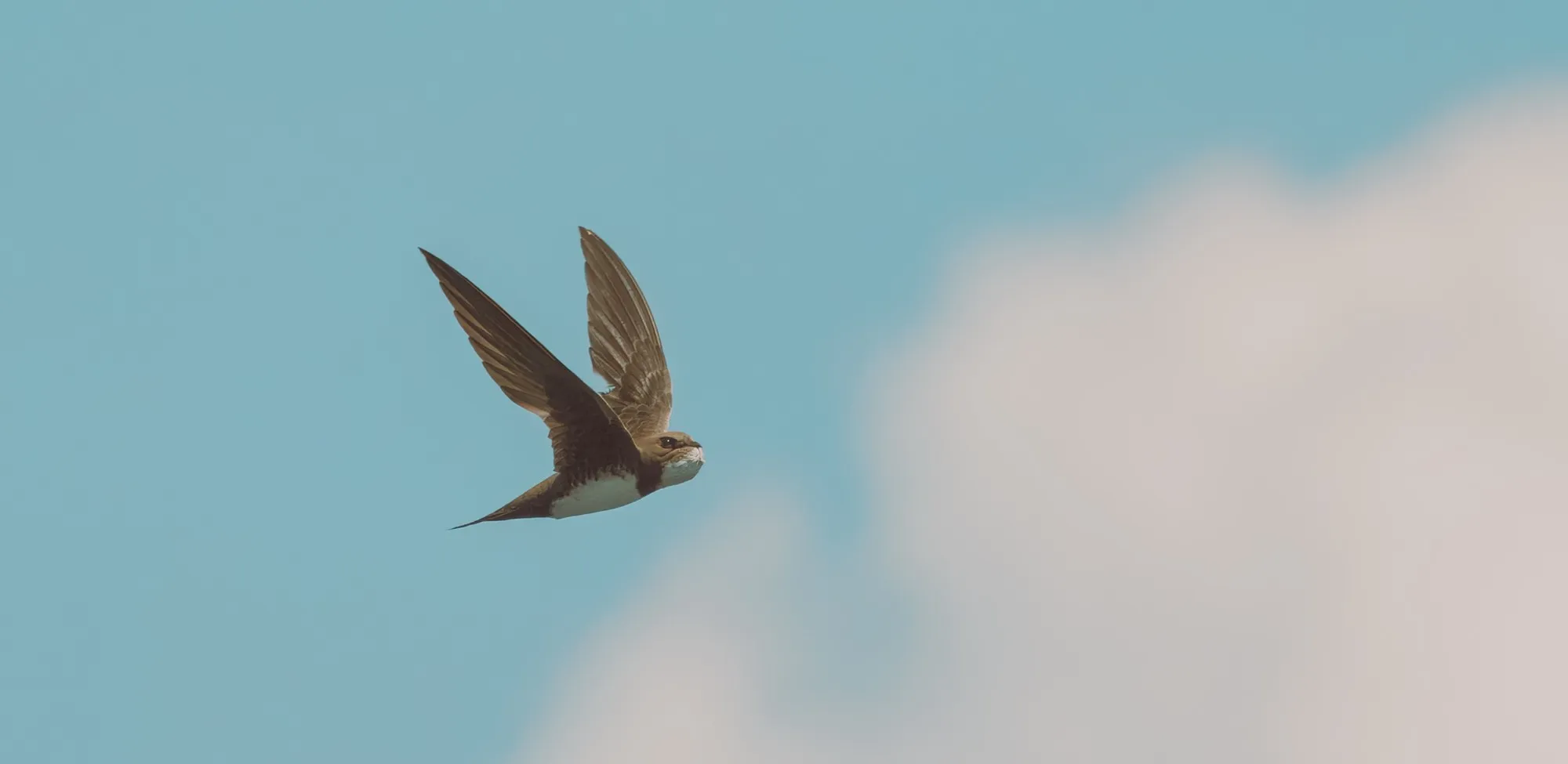
Alpine Swifts in Lucerne
The fastest wildlife in the city: a summer workshop on photographing alpine swifts as they scream around Lucerne’s towers.
From CHF 490
View Tour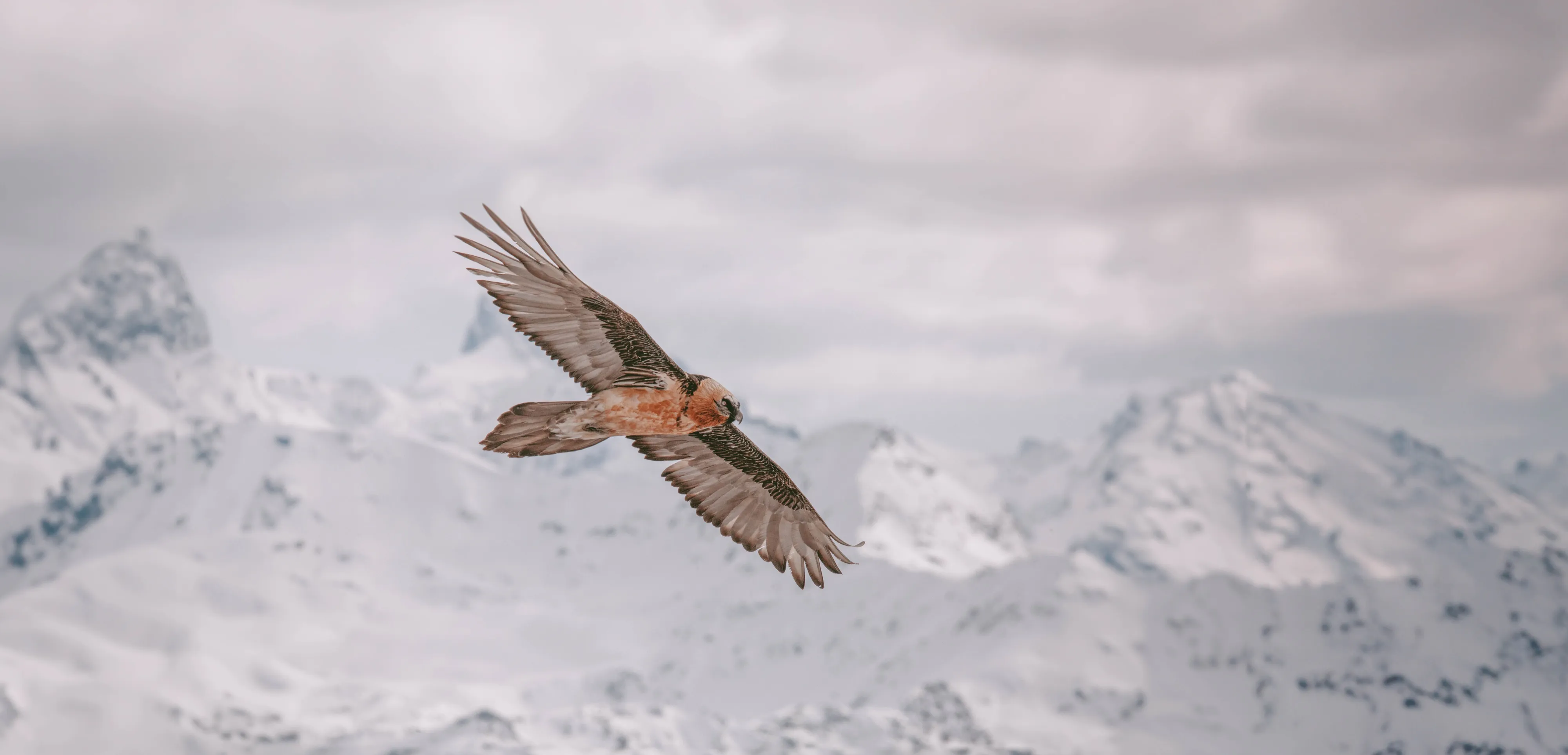
Bearded Vultures in Valais
Eye-level passes from the largest bird in the Alps, against snow, rock and winter light.
From CHF 1’590
View Tour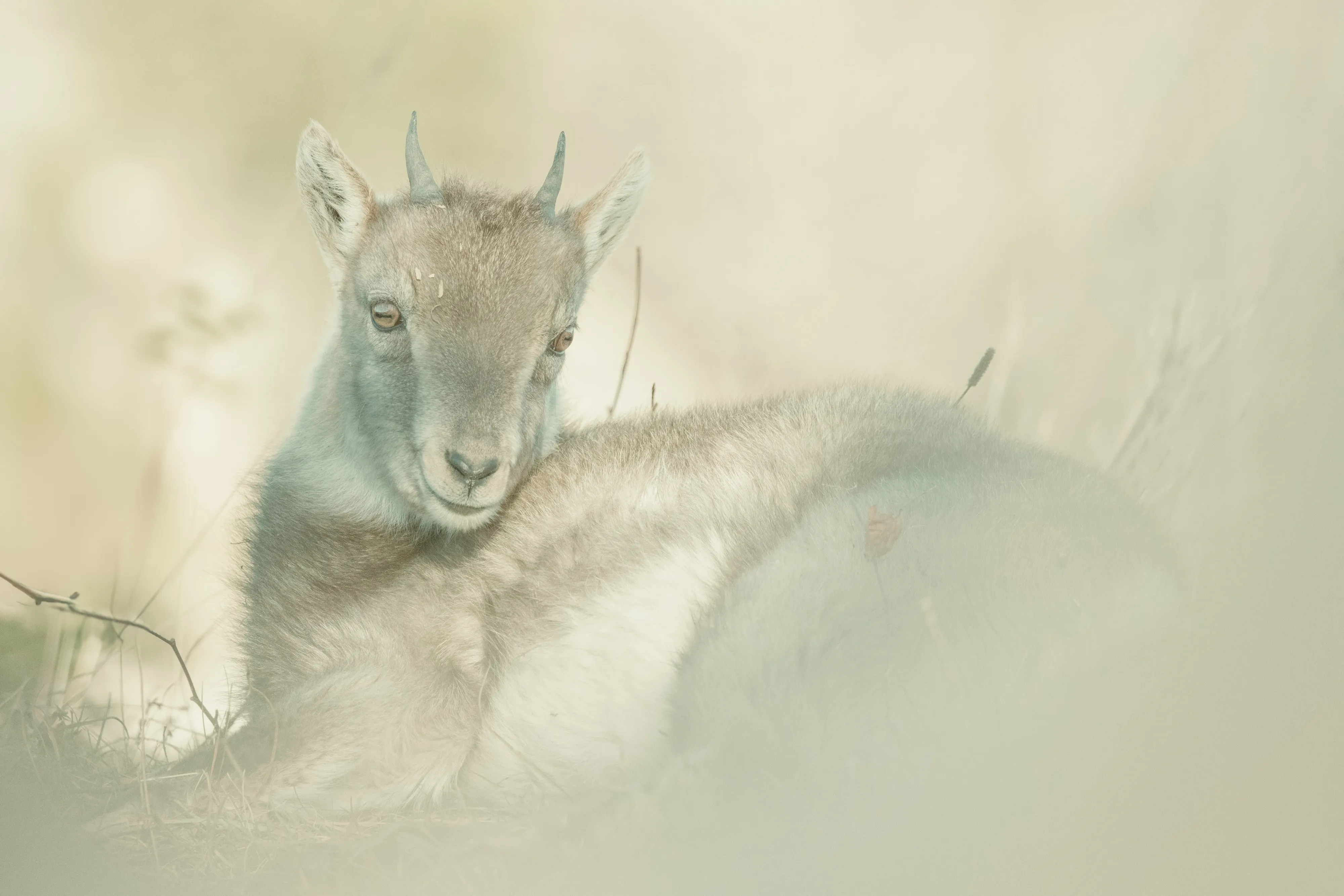
Ibex in Neuchâtel
Calm, approachable ibex on the limestone rim of the Jura, with room to slow down and build a portrait.
From CHF 1’490
View Tour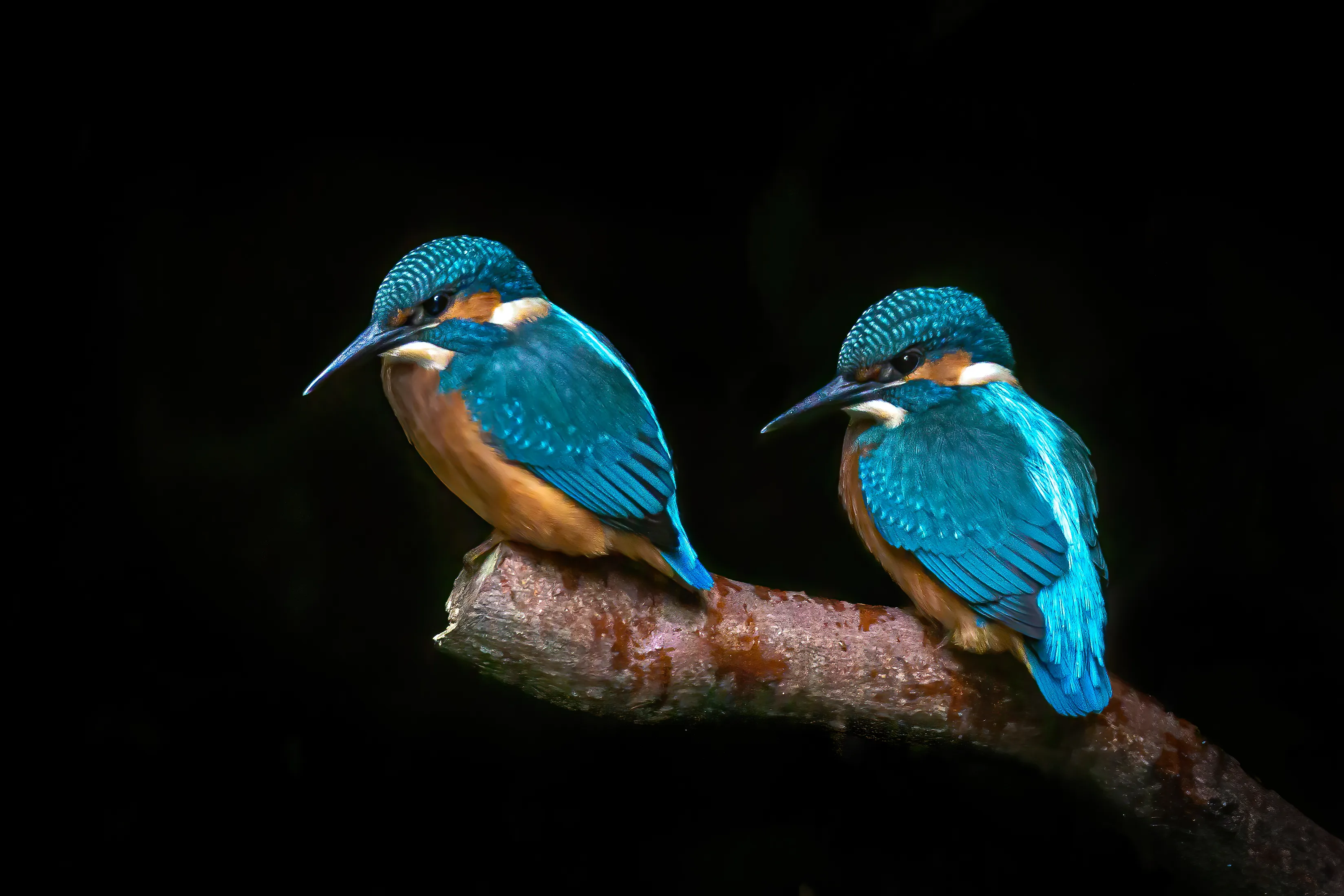
Kingfishers on Lake Neuchâtel
A day in a hide on the reed-fringed shore of Lake Neuchâtel, where kingfishers fish, dive and perch a few metres from the lens.
From CHF 1’490
View Tour
Switzerland’s Best Views
Mountain landscapes from first light to last: lakes, ridgelines and the peaks everyone knows, from angles most people never see.
From CHF 1’490
View Tour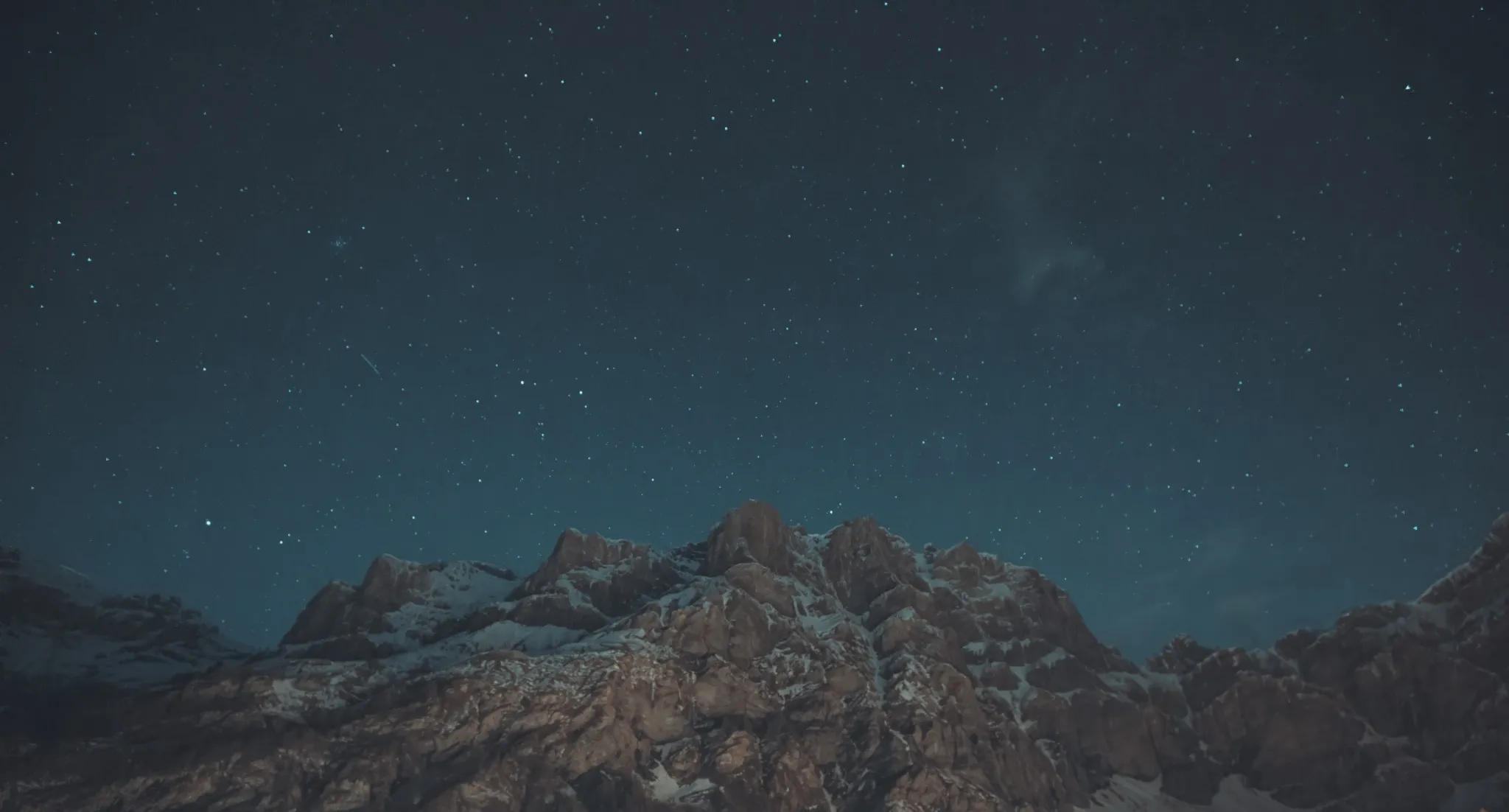
Milky Way Over the Alps
The Milky Way over the high peaks, from a dark viewpoint chosen for the night, with the whole night to get it right.
From CHF 3’000
View Tour