ToursLucerne
Alpine Swifts in Lucerne
- Subject
- Alpine Swift Tachymarptis melba
- Region
- Lucerne
- Best season
- Summer workshop, June to August
- Format
- Half-day workshop, in town
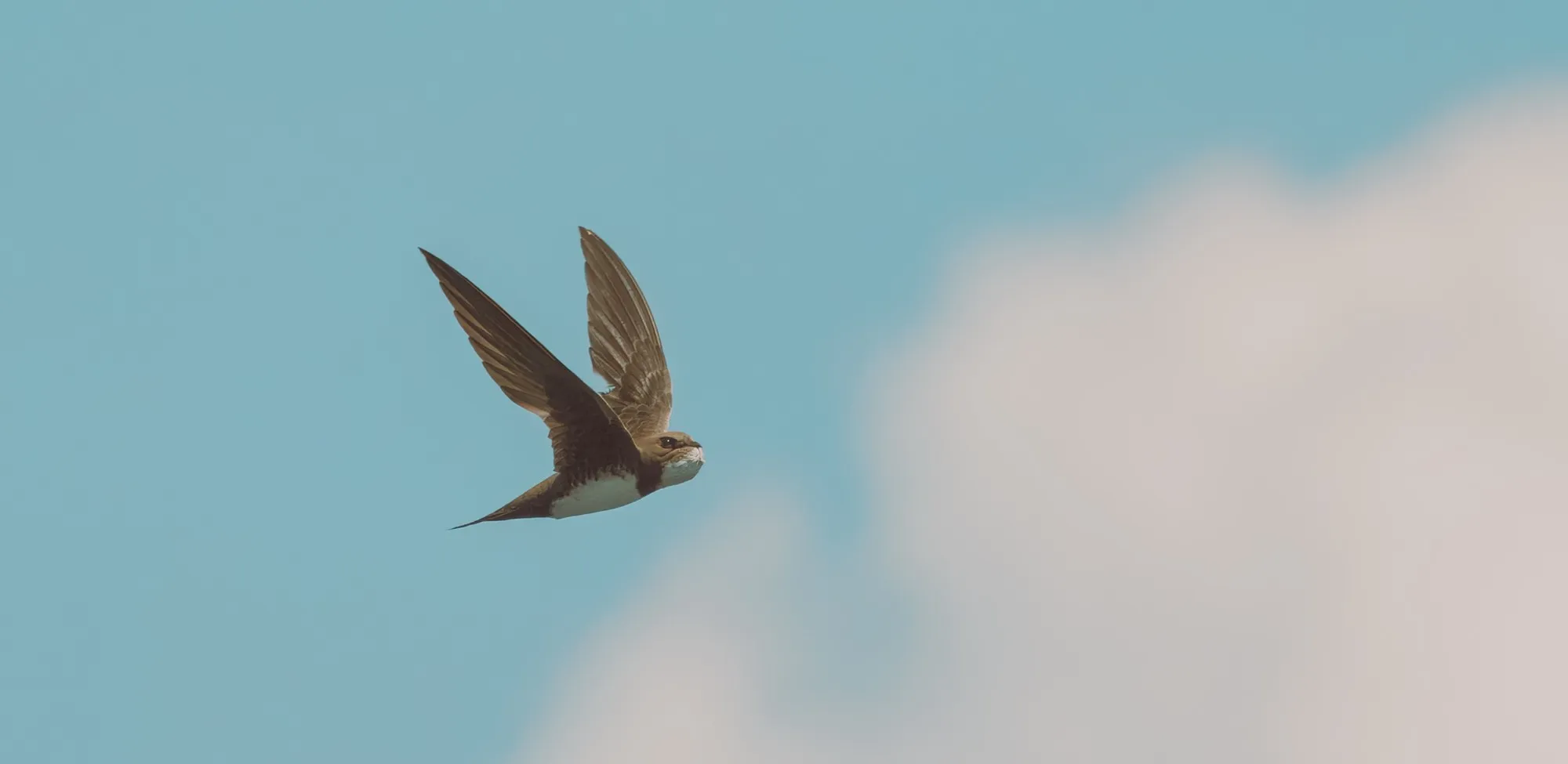
Every summer evening, parties of alpine swifts tear around the towers and rooftops of Lucerne’s old town, screaming as they go. They are Europe’s largest swift, they live almost entirely on the wing, and they nest in colonies on the tall buildings right above the tourists.
They are also the best flight-photography training in the country. If you can keep an alpine swift in the frame, a bearded vulture is easy.
The Bird
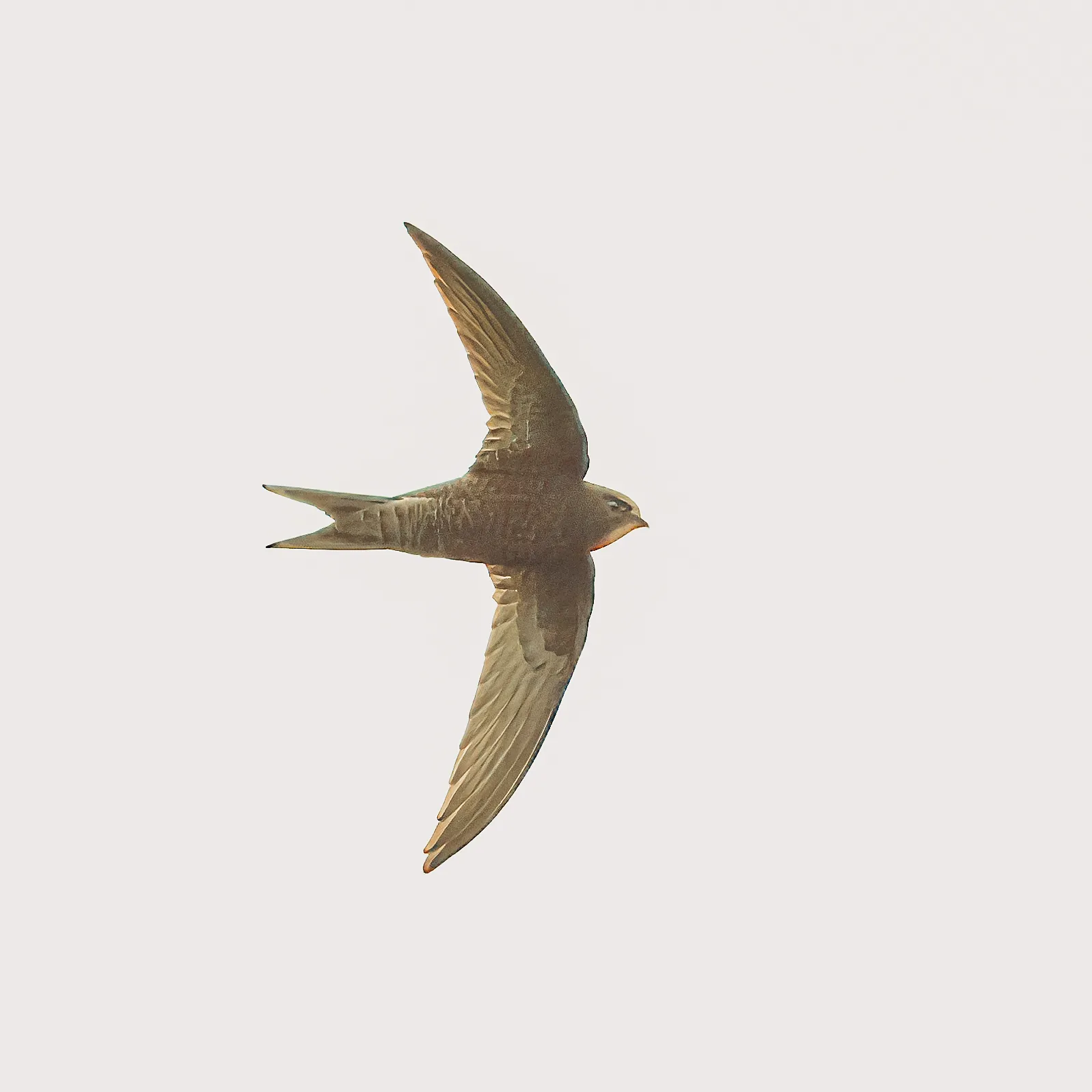
An alpine swift is a big, brown, scythe-winged bird with a white belly and throat and a brown band across the chest. Its natural nest sites are cliffs; in Switzerland it has taken to church towers, old walls and tall buildings, and several towns have long-established colonies.
The birds arrive from Africa in April and leave in September. They feed, drink and even sleep in flight, and spend their time in Switzerland raising young in the colony.
The Workshop
We meet in the old town in the late afternoon and spend the session where the birds are busiest. The first hour is set-up and technique on the ground; the rest is practice with a guide beside you, correcting as you go.
You will cover autofocus modes and focus zones for a small, fast target, shutter speeds that freeze or deliberately blur wingbeats, exposure against a bright sky, and the panning technique that makes the difference. The evening screaming parties, when groups chase low around the towers, are the finale.
Who It Is For
Anyone with a camera that has continuous autofocus and a lens of 200mm or longer. It suits beginners who want to learn flight photography properly, and experienced photographers who want to sharpen up before a raptor trip.
How We Work Around Them
The colonies are on buildings and we photograph from public streets and squares. We do not approach nest holes and we do not use playback. The birds take no notice of people below; our job is to keep up.
What We Go Looking For
- A swift banking against the evening sky
- Screaming parties low around the towers
- Wings frozen at the top of the stroke
- The white belly lit by low sun
What to Bring
- A 200–400mm lens; a 100–400mm zoom is ideal
- A camera with continuous autofocus and a fast burst
- Plenty of card space
- Comfortable shoes; it is a few hours on cobbles
Plan your alpine swift tour
Tell us when you would like to come and who is coming. We reply with a draft itinerary and exact pricing.
Keep Exploring
Chamois and Ibex on Pilatus
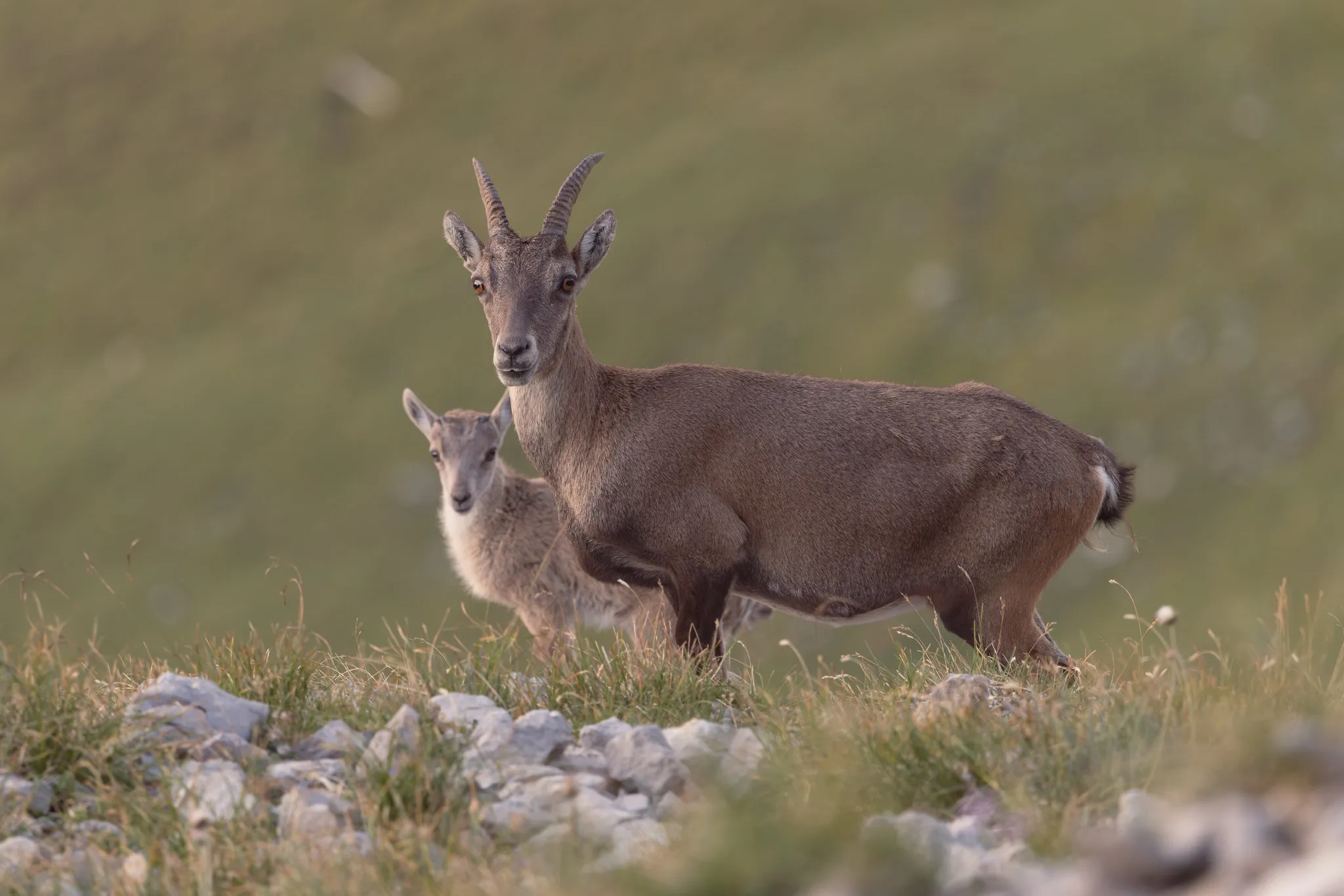
A wildlife photography day on Pilatus: ibex on the limestone ridges, chamois on the slopes, and Lake Lucerne far below.
From CHF 890
View Tour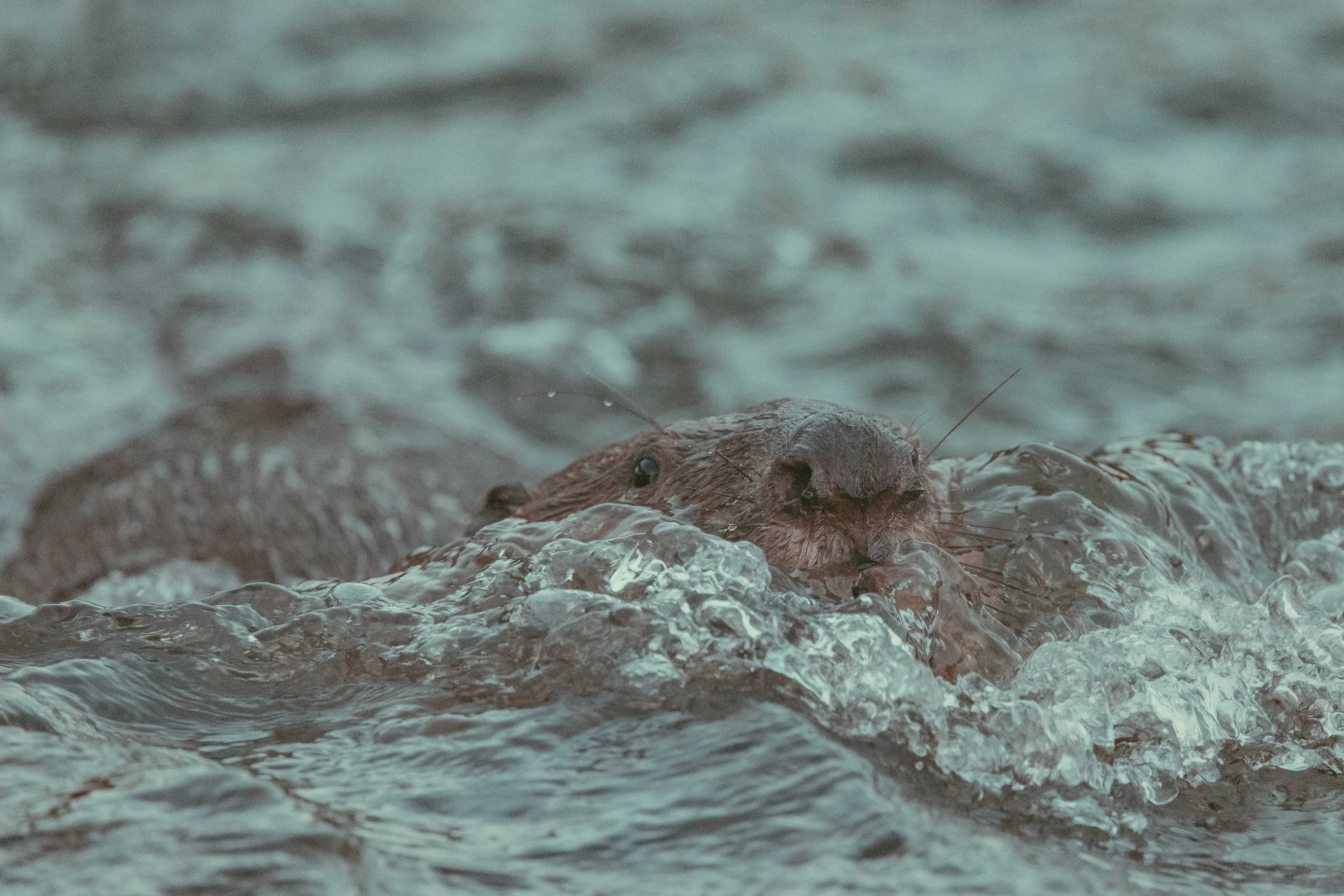
Beavers After Work
An evening by the water with an animal that was gone from Switzerland for a century and is now back on Lucerne’s doorstep.
From CHF 490
View Tour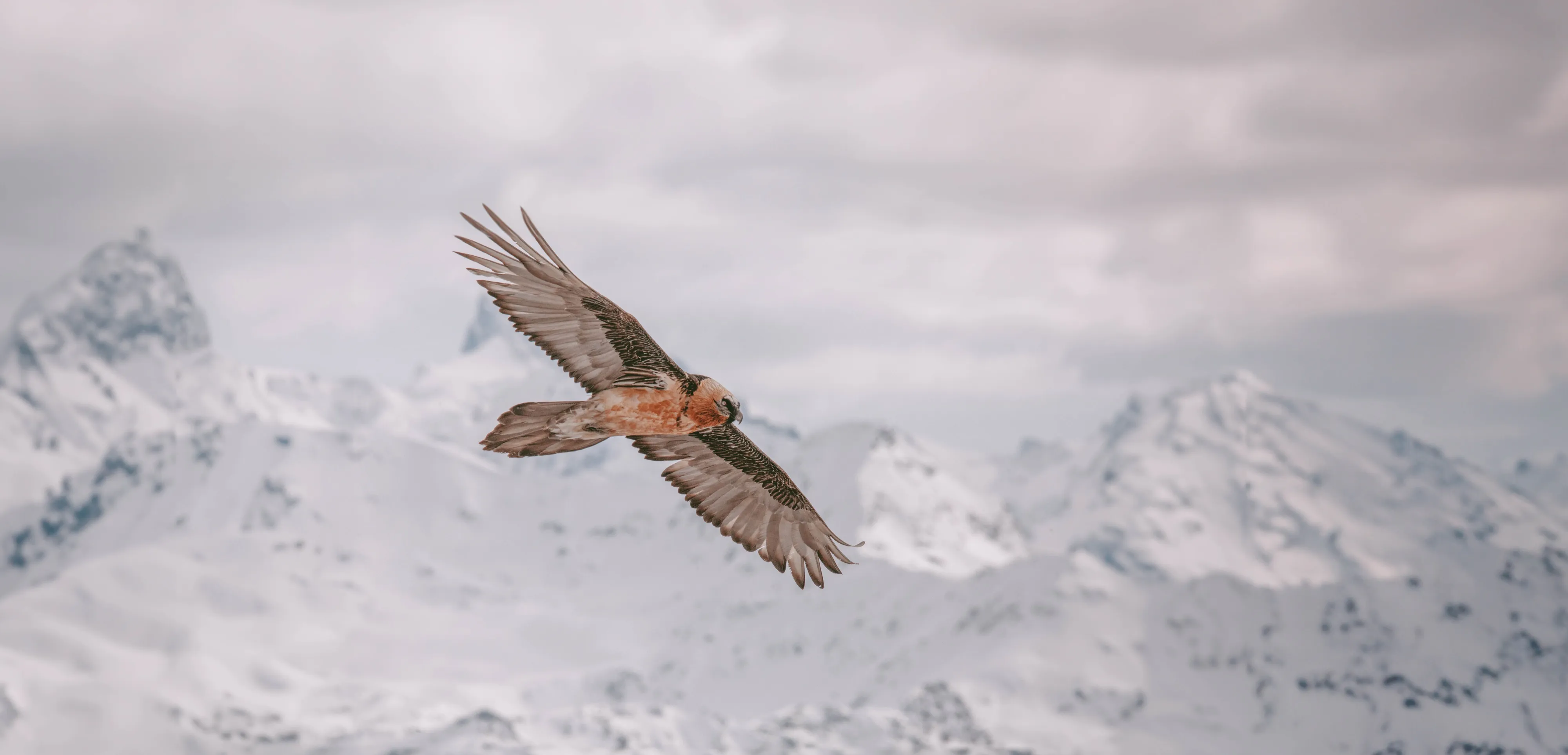
Bearded Vultures in Valais
Eye-level passes from the largest bird in the Alps, against snow, rock and winter light.
From CHF 1’590
View Tour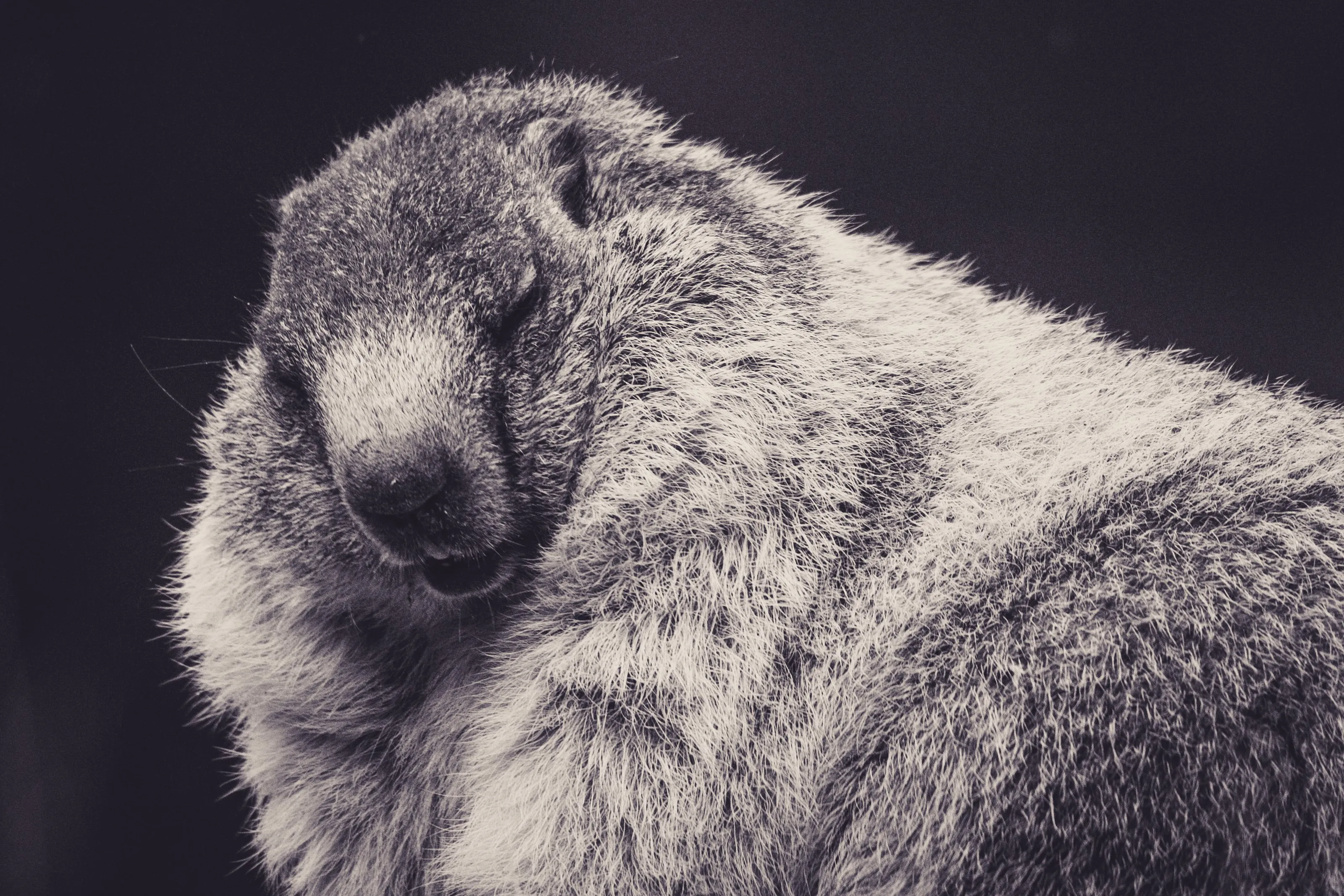
Marmots in Valais
A summer morning on an alpine meadow in Valais with a colony of marmots: whistles, wrestling, greetings nose to nose, and the kind of close views that only come from lying still in the grass.
From CHF 890
View Tour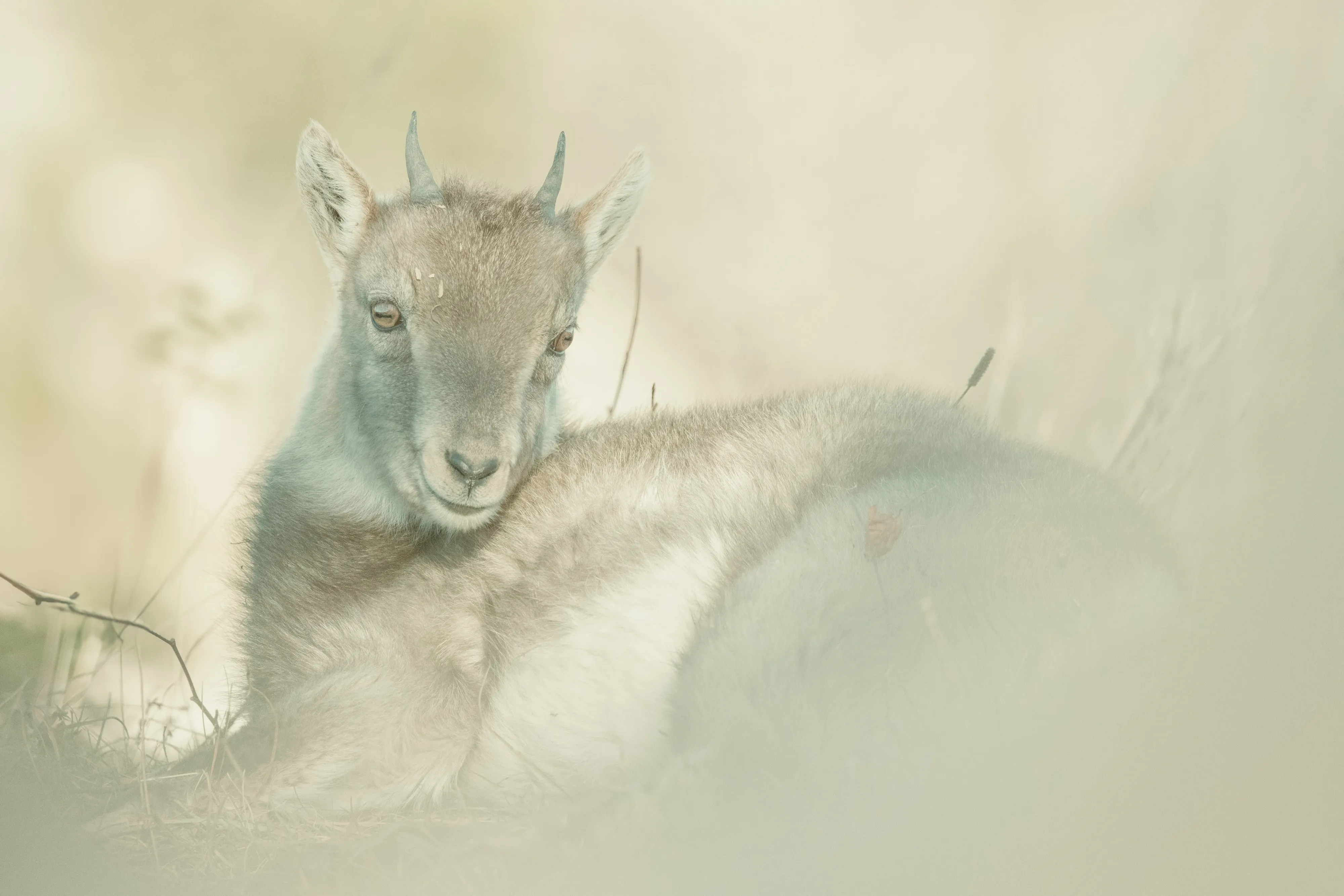
Ibex in Neuchâtel
Calm, approachable ibex on the limestone rim of the Jura, with room to slow down and build a portrait.
From CHF 1’490
View Tour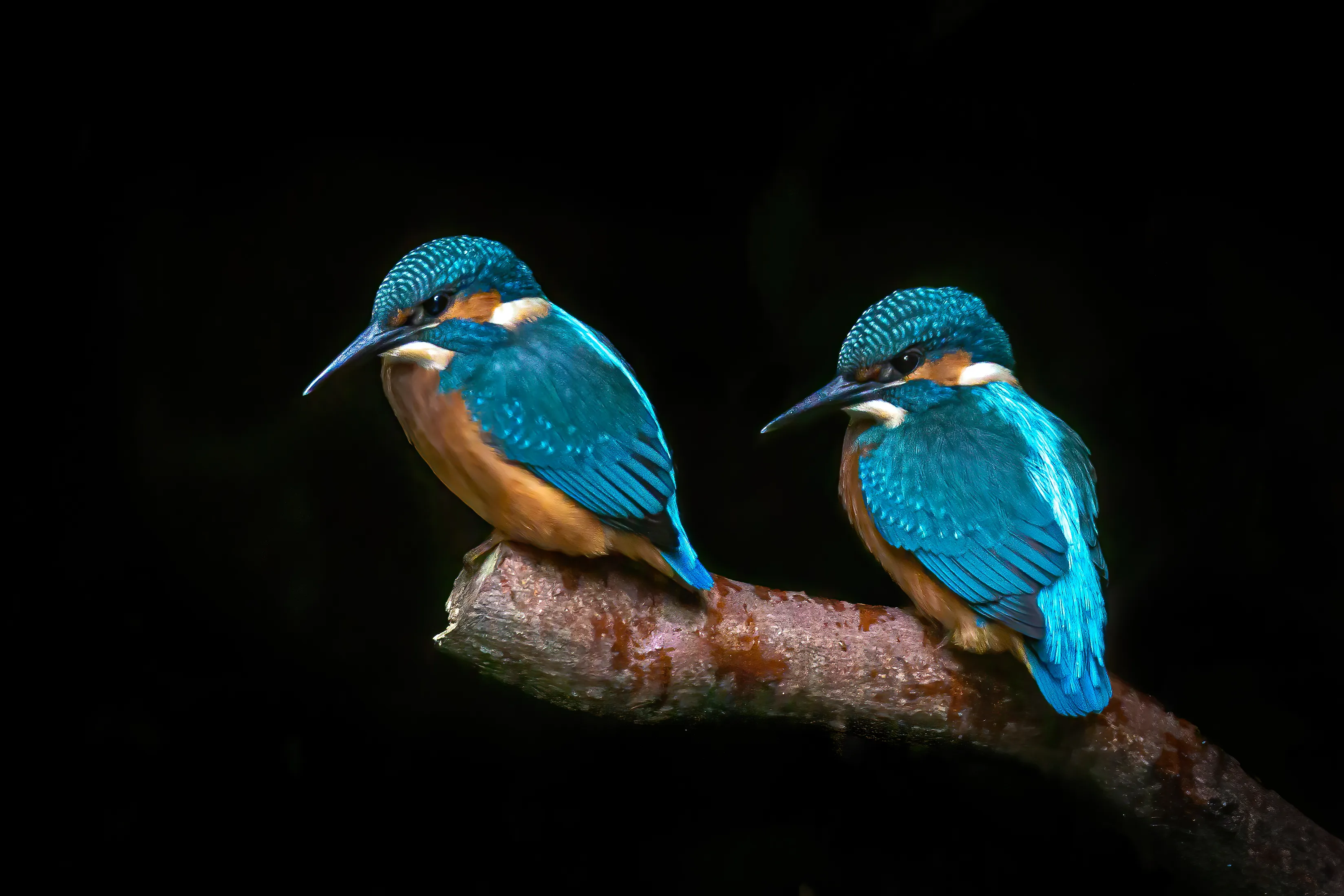
Kingfishers on Lake Neuchâtel
A day in a hide on the reed-fringed shore of Lake Neuchâtel, where kingfishers fish, dive and perch a few metres from the lens.
From CHF 1’490
View Tour
Switzerland’s Best Views
Mountain landscapes from first light to last: lakes, ridgelines and the peaks everyone knows, from angles most people never see.
From CHF 1’490
View Tour
Milky Way Over the Alps
The Milky Way over the high peaks, from a dark viewpoint chosen for the night, with the whole night to get it right.
From CHF 3’000
View Tour